

In September 2025, Dan Brown returned Robert Langdon to Central Europe — this time to Prague. The Secret of Secrets unfolds across a city whose medieval libraries, hidden bunkers and esoteric synagogues make it the ideal backdrop for cryptographic conspiracy. Brown did not invent Prague’s mystery; he simply gave it a plot. If you know the novel, walking these streets feels less like tourism and more like piecing together a cipher.
Eight locations appear in the novel with enough architectural and historical specificity that a careful reader — and a willing walker — can retrace Langdon’s steps almost exactly. What follows is that guide, written for readers who want more than photographs: the literary context, the practical details, and the quiet satisfaction of standing precisely where the fiction happened.
- 8 Prague locations from Dan Brown’s 2025 novel The Secret of Secrets
- Allow 5–6 hours minimum for the full walking route on foot
- Klementinum: guided tour only, approx. CZK 300 per person — book in advance
- Folimanka bunker: limited public access — advance booking required
- Netflix adaptation currently in production in Prague (expected late 2026 / early 2027)
- Best visiting season: April–June and September–October
1. Klementinum: Where the Manuscripts Burned
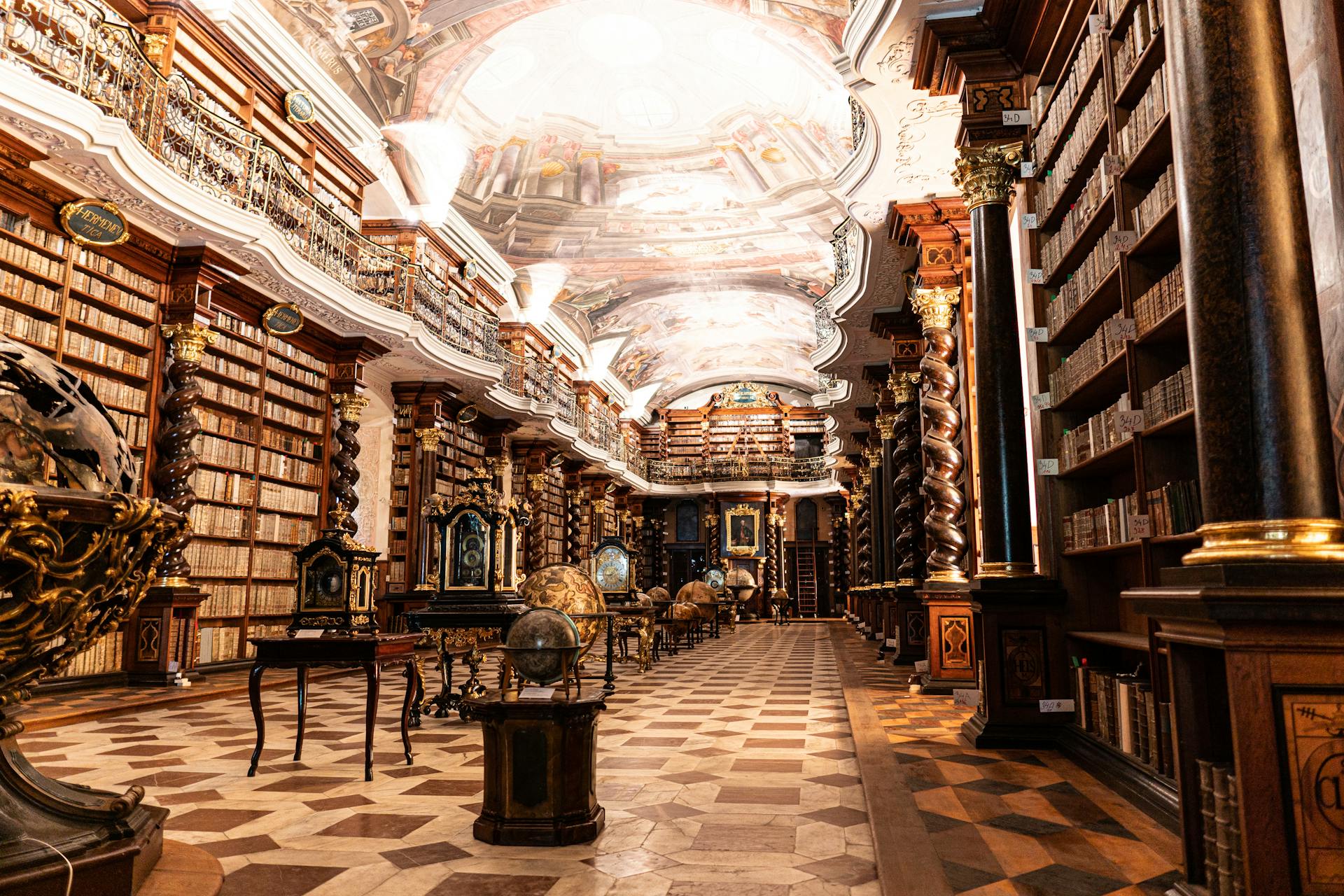
The novel opens in crisis: a priceless manuscript is burning inside the Klementinum’s Baroque library hall, and Langdon has minutes to decipher the charred fragments before they crumble beyond recovery. Brown’s description of the hall — the ceiling frescoes, the carved wooden galleries, the globes arranged like planetary sentinels — is precise enough to feel like firsthand observation rather than research.
The Klementinum complex was built by the Jesuits as an intellectual fortress of the Counter-Reformation. Its Baroque Library Hall, completed in 1727, is one of the most beautiful in Central Europe: ceiling paintings by Jan Hiebl, tall carved bookcases, and some 20,000 volumes that were already centuries old when Brown’s fictional fire raged. The Astronomical Tower, where a second pivotal scene unfolds, offers a panoramic view across Prague’s rooftops that Langdon uses to triangulate a hidden location.
The genius of Brown’s choice is historical: the Jesuits who built the Klementinum were obsessed with the classification of knowledge — exactly the kind of institutional obsession his plots exploit. The library was simultaneously a place of enlightenment and suppression, which makes it the perfect setting for a burning book.
Practical information: Entry by guided tour only (approx. CZK 300), running every 30 minutes and lasting about 45 minutes. Book ahead in peak season (May–September). Photography is permitted inside. The Klementinum is a five-minute walk from Charles Bridge, making it natural to combine both locations in a single morning.
2. Charles Bridge: The Opening Scene
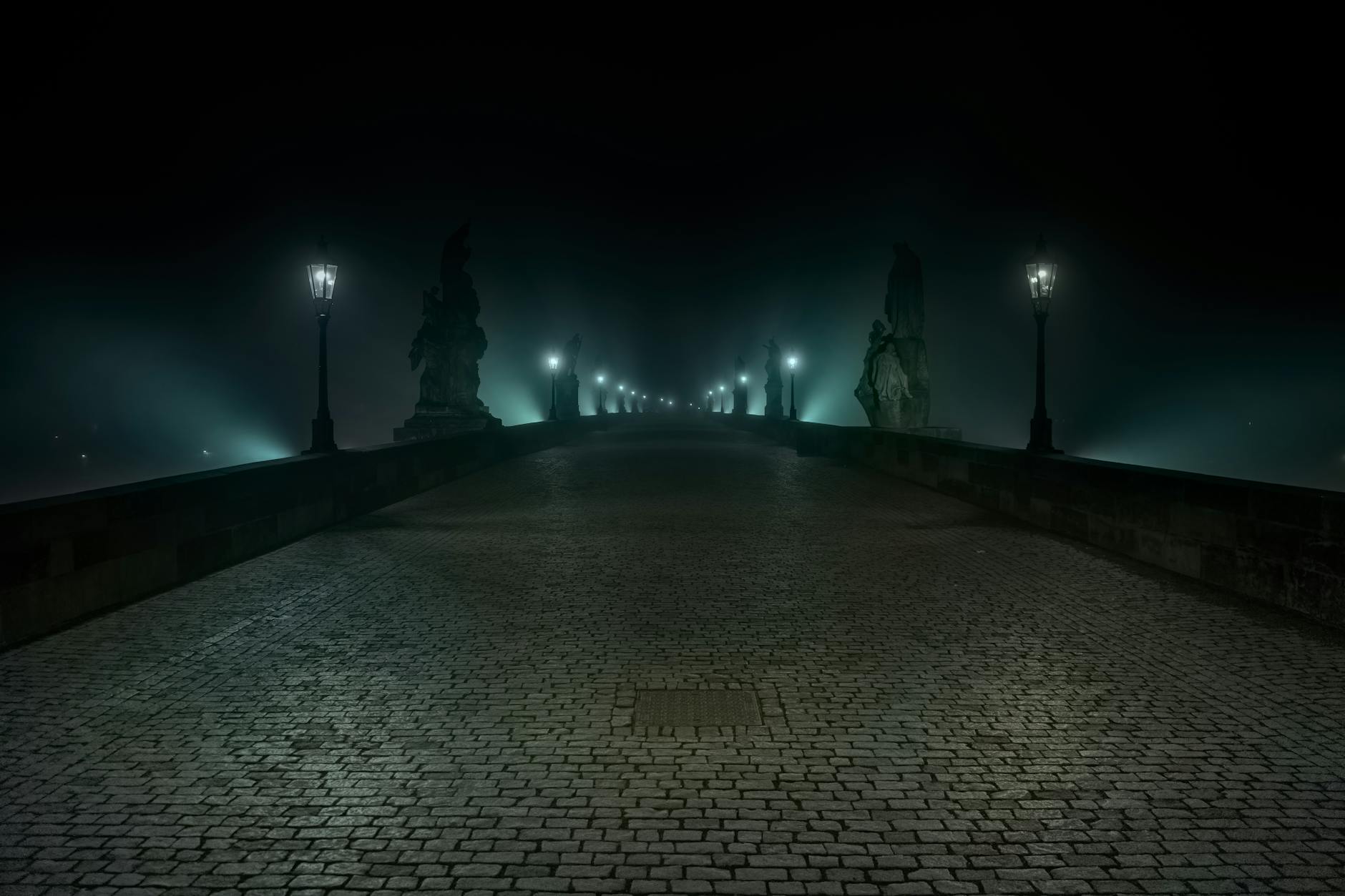
The novel’s first line places Langdon on Karlův most at 5:47 a.m., alone except for the stone saints lining the parapet and a figure emerging from the morning mist on the Malá Strana side. Brown chose this moment — and this hour — deliberately. The bridge at dawn is stripped of its usual crowds and restored to something close to its medieval character: a crossing between two worlds, not merely two riverbanks.
Construction of Charles Bridge was completed in 1402. For centuries it was the only crossing over the Vltava in Prague, which made it both a commercial artery and a symbolic threshold. Brown exploits both meanings. The 30 Baroque statues lining the parapet — added progressively from the 17th century onward — become witnesses in the novel, their stone faces turned toward a scene they have, in a sense, watched for centuries. The southern bridge tower, where a coded inscription appears in the novel, dates from the 14th century and is open to visitors.
For the experience Brown describes, the timing matters. Arrive before 7 a.m. in the shoulder season (April, May, September, October) and the bridge belongs almost entirely to early walkers, photographers and the occasional fisherman on the embankment below.
Practical information: Free access, 24 hours. Bridge tower entry approx. CZK 100. Charles Bridge is included in most full-day Prague tours and is a natural starting point for the Dan Brown route. Nearest metro: Staroměstská (line A).
3. Petřín Tower: The Coded Message
High on the hill above Malá Strana, Langdon decodes a message embedded in the tower’s ironwork — a sequence, he realises, that has been visible for over a century to anyone who knew how to look. The Petřín Observation Tower is one of Prague’s more whimsical landmarks: a one-fifth-scale homage to the Eiffel Tower, built for the 1891 Jubilee Exhibition to prove that Prague could be as modern as Paris. Brown turns this borrowed grandeur into something more sinister.
The real tower is 63.5 metres tall and offers views across the city that on a clear day extend to the Bohemian highlands. Brown’s coded-message scene is fiction, but his description of the climb — the spiral staircase, the wind at the summit, the vertiginous view toward the Jewish Quarter across the river — is accurate. The funicular connecting the Vltava embankment to the Petřín plateau reopened in spring 2026 after an extended restoration.
Practical information: Tower entry approx. CZK 150. Funicular runs from Újezd (included in Prague public transport pass). Open daily from 9 a.m., with extended summer hours. Allow 1 hour including the funicular ride and tower climb. The surrounding Petřín gardens are free and worth exploring — the rose garden and the mirror maze are nearby.
4. Jewish Quarter and the Old-New Synagogue: The Golem Connection
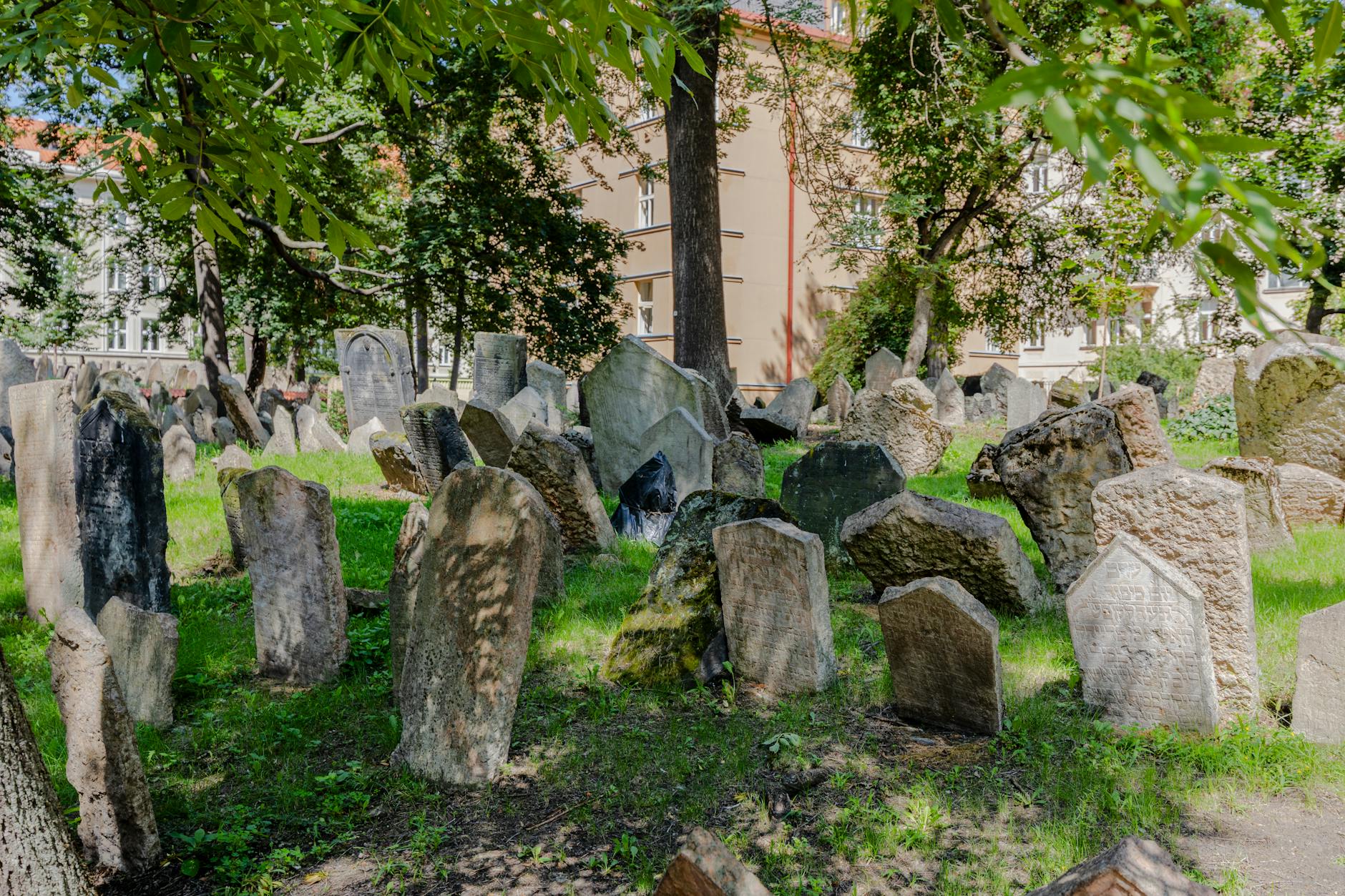
This is where Brown’s fiction is most deeply rooted in historical fact. The Golem — the animated clay figure created by Rabbi Loew in 16th-century legend to protect Prague’s Jewish community — becomes in The Secret of Secrets not legend but a code name for a dormant weapon hidden beneath the city. The Old-New Synagogue, the oldest active synagogue in Europe (consecrated around 1270), is where Langdon receives his most cryptic briefing, in a whispered conversation that takes place below the gaze of a medieval interior unchanged in essentials for seven centuries.
Brown’s connection of Golem mythology to cryptographic tradition is less invented than it might appear. Prague’s Jewish Quarter has historically been associated with Kabbalistic scholarship, and Rabbi Loew was a real historical figure whose philosophical writings touched on language as a form of creation — the act of writing a word (emet: truth) on clay to animate it, erasing a letter to destroy it. The idea that knowledge is both weapon and safeguard is exactly Brown’s territory. The Jewish Quarter is part of UNESCO World Heritage.
Practical information: Entry to the Old-New Synagogue approx. CZK 200; combined tickets for multiple synagogues are available and recommended. Closed on Saturday and Jewish holidays. The quarter is a short walk from Old Town Square; allow at least 2 hours for the full complex. Audio guides are available.
5. Folimanka Park: The Underground Threshold
This is the novel’s most unexpected location — and the one that most rewards readers who actually make the journey. In The Secret of Secrets, Folimanka Park in the Vinohrady district conceals the entrance to what Brown calls the „Threshold complex,“ a Cold War-era underground facility that becomes the novel’s central set-piece. Unlike most of Brown’s locations, this one is not famous. That is precisely the point.
The Folimanka bunker was built in the 1950s as a civil defence shelter, its existence classified until the 1990s. It lies beneath an otherwise unremarkable park, its presence betrayed only by certain ventilation structures and a particular quality of silence in one corner of the grounds. Tours are occasionally available through Prague heritage organisations, though access is limited and requires advance booking.
Brown’s description of the interior — the low ceilings, the smell of concrete and cold metal, the sensation of descending below the city’s memory into something the city preferred to forget — is one of the novel’s finest passages, and one that has the ring of experience rather than archive research.
Practical information: Public access is limited and must be booked in advance. Check current tour schedules with Prague City Tourism. The park itself is freely accessible at all times. Metro: Náměstí Míru (line A) or I. P. Pavlova (lines A and C), then 10-minute walk.
6. Four Seasons Hotel Prague: Langdon’s Base
As in previous novels, Brown gives Langdon a base that is simultaneously comfortable and symbolic. In Prague, it is the Four Seasons — occupying a complex of 17th- and 18th-century buildings on the Vltava embankment, with a direct sightline to Charles Bridge and the castle hill. From his room, Langdon can see three of the novel’s key locations without leaving his window. Brown uses this geography deliberately: the hotel sits at the junction of the old city and the river, which he treats as a recurring metaphor for the threshold between known and hidden knowledge.
The hotel itself has responded to the novel’s success by developing an exclusive „Prague by Dan Brown“ experience for guests — a curated literary tour of the eight locations, led by a guide familiar with both the fiction and the history. The experience is bookable through the concierge for hotel guests.
Practical information: The hotel is on Veleslavínova street in Staré Město, a short walk from the Old Town Square. Non-guests can visit the riverside terrace and the hotel bar, which has an unrestricted view of the Vltava and the castle. For the „Prague by Dan Brown“ literary experience, contact the hotel concierge directly.
7. Vladislav Hall, Prague Castle: The Revelation
The Gothic Vladislav Hall — the largest secular medieval interior in Central Europe, its vaulted ceiling spanning 62 metres — is where the novel’s central revelation occurs. Brown uses the hall’s scale and its layered history (coronations, jousting tournaments, markets, diplomatic receptions across six centuries) as a backdrop for a confrontation that is, in typical Brown fashion, simultaneously physical and intellectual. The architecture is not decoration; it is the argument.
Prague City Tourism added Vladislav Hall to its official Dan Brown tour route in March 2026, installing interpretive panels that connect specific architectural details — the late-Gothic rib vaulting, the equestrian staircase wide enough for mounted knights — to passages in the novel. The hall is part of the Old Royal Palace within Prague Castle, Europe’s largest castle complex by area.
Practical information: Entry included in Prague Castle Circuit B (approx. CZK 250). Open daily; hours vary seasonally. Access via Hradčany tram stops or the castle steps from Malá Strana. Allow at least 2 hours for the full castle complex; the Vladislav Hall is in the Old Royal Palace, signposted from the Second Courtyard.
8. Bastion U Božích muk: The Final Cipher
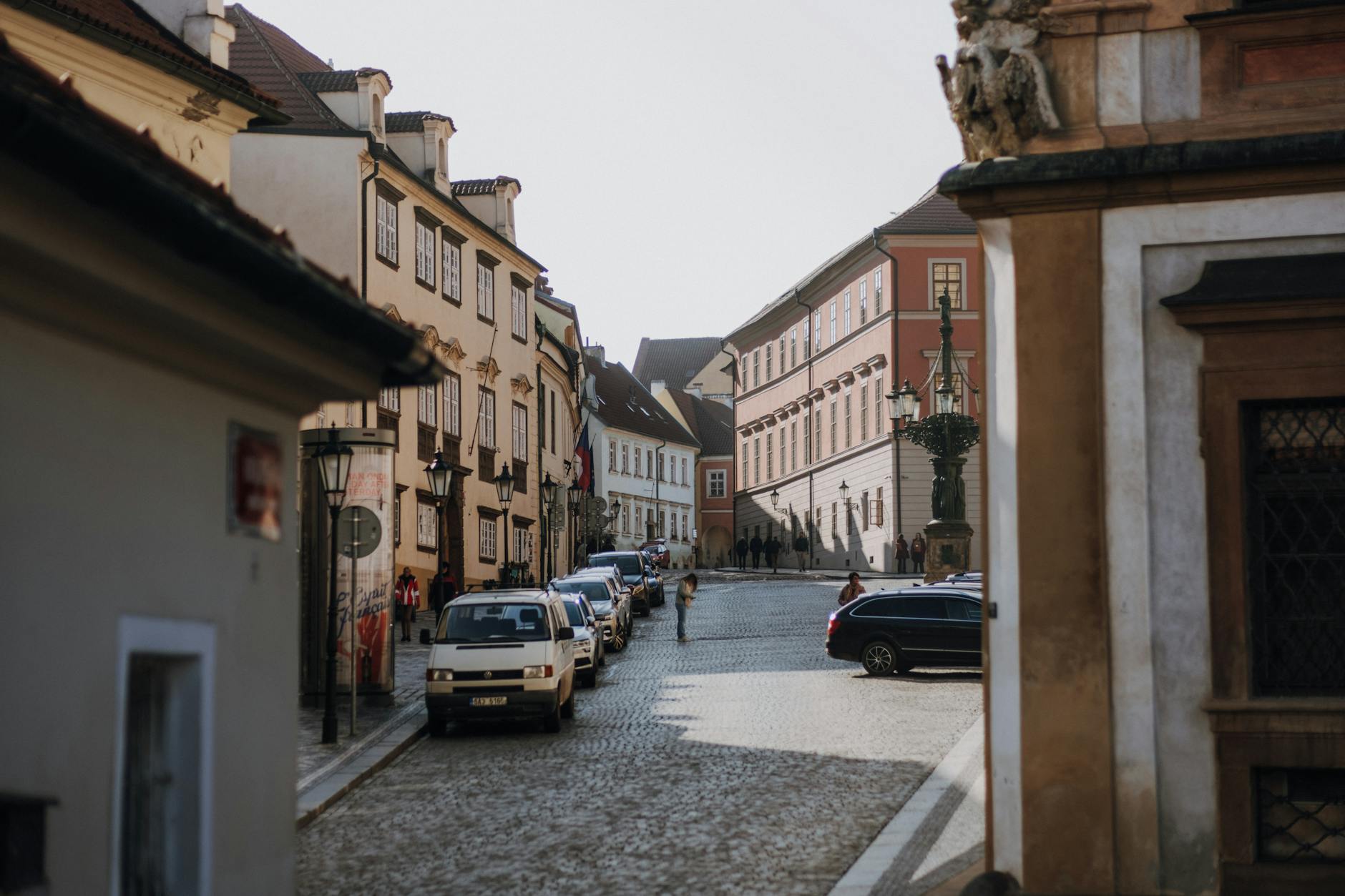
The least-known location in the novel, and the most rewarding for those who seek it. The Bastion U Božích muk — a remnant of the Baroque fortification system that once encircled Prague — appears in the novel’s final act as the site of a hidden archive, a place where the city has been storing certain kinds of knowledge below its own foundations since the 17th century. Brown’s description of the bastion as a place „where the city ends and begins again beneath itself“ has the ring of something researched, not invented.
Prague City Tourism includes the bastion in its extended Dan Brown route, though it remains well off the standard tourist trail. It sits near the Vyšehrad fortifications on the south bank of the Vltava — Prague’s older castle, predating Hradčany by centuries and connected to a different set of Czech legends. The surrounding Vyšehrad area adds considerable historical depth to a visit.
Practical information: Free access to the bastion exterior. The Vyšehrad complex is open daily. Metro: Vyšehrad (line C). Allow 1–2 hours if combining with the Vyšehrad cemetery and gardens, where many notable Czech figures are buried. Combine with Folimanka Park for an efficient south-of-the-river half-day.
Plan Your Literary Walk: Route and Timing
The eight locations divide naturally across two half-days. On the first, focus on the historical core: begin at Charles Bridge at dawn, cross into the Old Town and walk to the Jewish Quarter (arrive before 10 a.m. to avoid queues), then continue to Klementinum for a pre-booked guided tour. Finish the morning at the Four Seasons terrace, a five-minute walk from Klementinum, with coffee and a view of the bridge you started from.
On the second day, take the metro to Vyšehrad for Bastion U Božích muk and the castle views south (allow 1–2 hours), then travel to Folimanka if a bunker tour is available, and cross the city to Petřín for the late afternoon (funicular from Újezd). End with a walk down through Malá Strana and save Prague Castle — including Vladislav Hall — for the following morning when it opens.
For those wanting all eight locations in a single day without the logistical complexity of pre-booking Klementinum tours, coordinating bunker access and managing transit between Vyšehrad and Petřín, a private guide can sequence everything to minimise time lost between sites. Our full-day Prague tours can be tailored around the Dan Brown route on request — including early Klementinum access before the first public tour.
Book a full-day Prague tour with Dan Brown stopsConclusion: Prague Before and After the Netflix Adaptation
A Netflix adaptation of The Secret of Secrets is currently in production in Prague, with filming expected to conclude in late 2026 and a release window of late 2026 to early 2027. The production is reportedly using several of the novel’s key locations — including Klementinum and Charles Bridge — for on-location shoots, which will further intensify interest in the city once the series airs.
For readers and travellers who want to experience Prague as Brown wrote it — before the queues lengthen and the café menus acquire literary footnotes — the window is now. Prague has absorbed literary pilgrims before: Kafka’s admirers have been arriving for decades, and the city has learned how to offer them authenticity alongside the tourism. It will do the same for Langdon’s readers. The monuments will not change. What will change is how crowded the approach is.
Frequently Asked Questions
Where in Prague is The Secret of Secrets actually set?
Can I visit Klementinum's astronomical tower?
Is the Folimanka Park bunker open to tourists?
When does the Netflix adaptation of The Secret of Secrets come out?
Can I see all 8 Dan Brown locations in one day?
Why is Prague so central to Dan Brown's universe?
Related articles
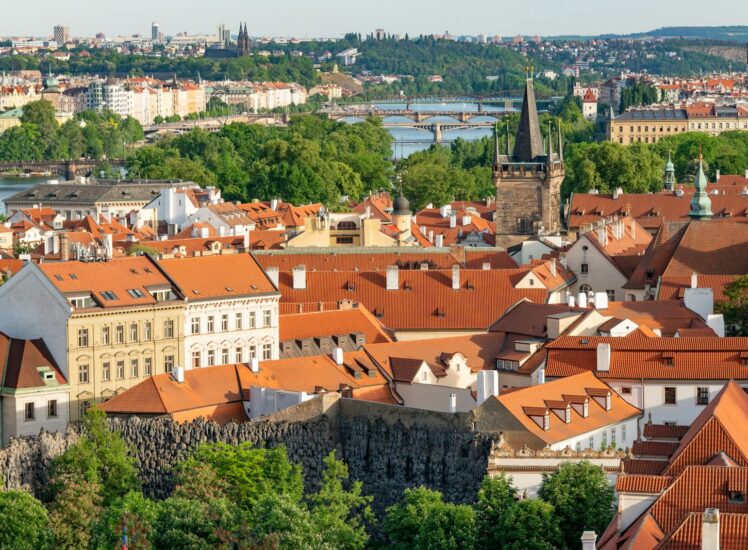
American Airlines Prague Philadelphia 2026: Your Complete Prague Guide
American Airlines now flies direct from Philadelphia to Prague from May 21, 2026. Complete guide: private tours, top sights, and best day trips from Prague.
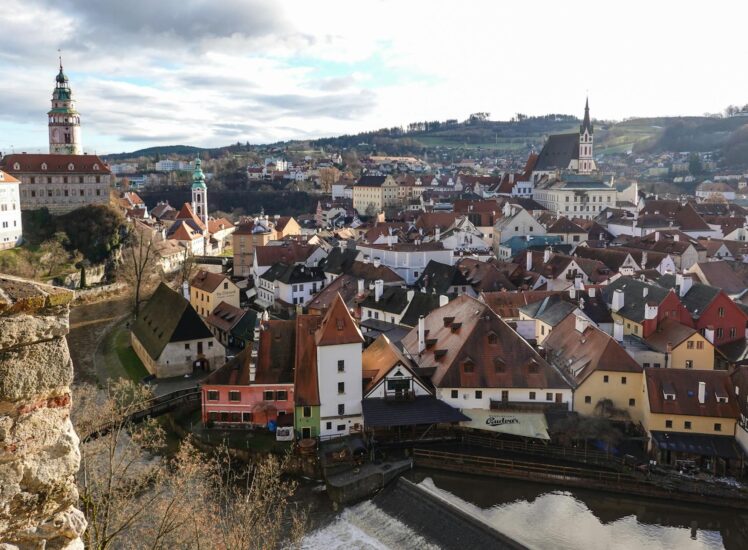
All 16 Czech Republic UNESCO World Heritage Sites — Complete Guide
Complete guide to all 16 Czech Republic UNESCO World Heritage Sites — day trips from Prague, travel times, and honest advice on which are worth visiting.
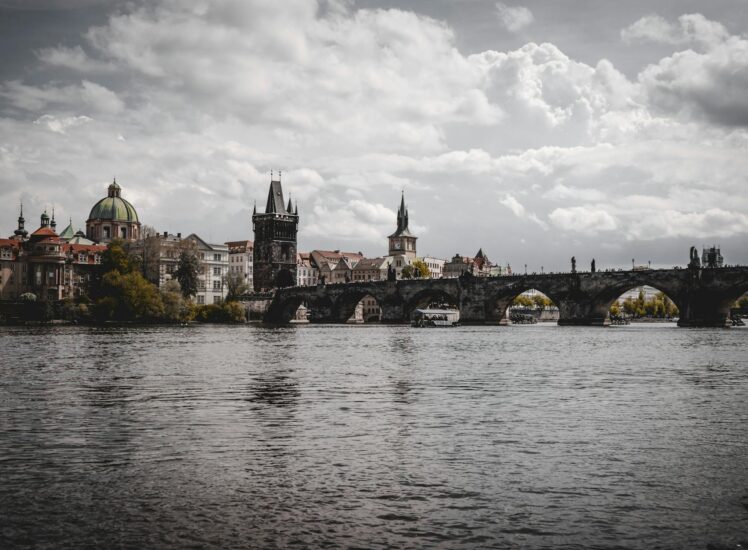
Prague Tours from the USA 2026: Complete Guide for American Travelers
Planning your first Prague tour from the USA? This guide covers what American travelers need: flight tips, tour options, seasonal advice, and what to expect from a private guide.
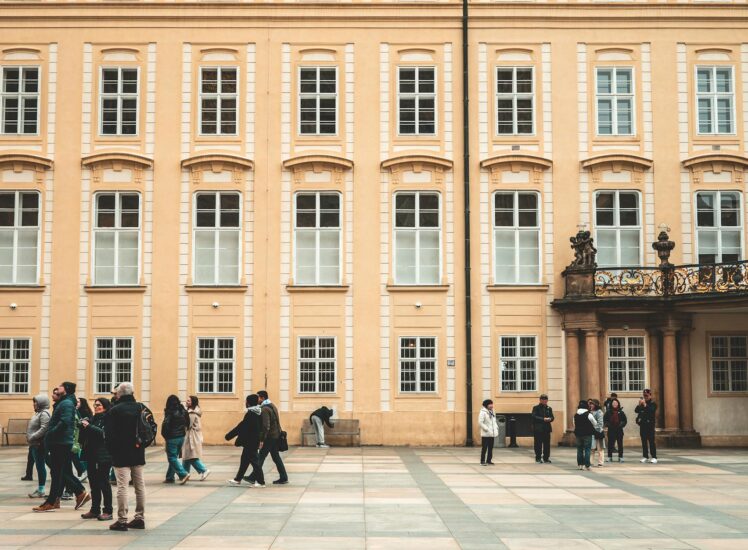
Prague City Tour 2026: Private Half-Day & Full-Day Options
Private Prague city tour in 2026: half-day or full-day options with an expert local guide. Discover Old Town, Charles Bridge and Prague Castle at your own pace.
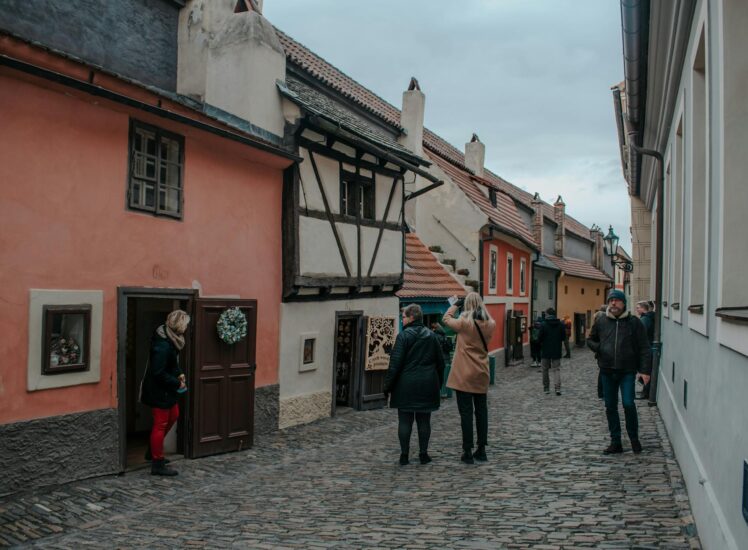
Prague Private Tour 2026: Book a Local Expert Guide
Book a private tour of Prague with a local expert guide. Flexible itineraries, half-day or full-day, tailored to your group. Explore Prague your way in 2026.
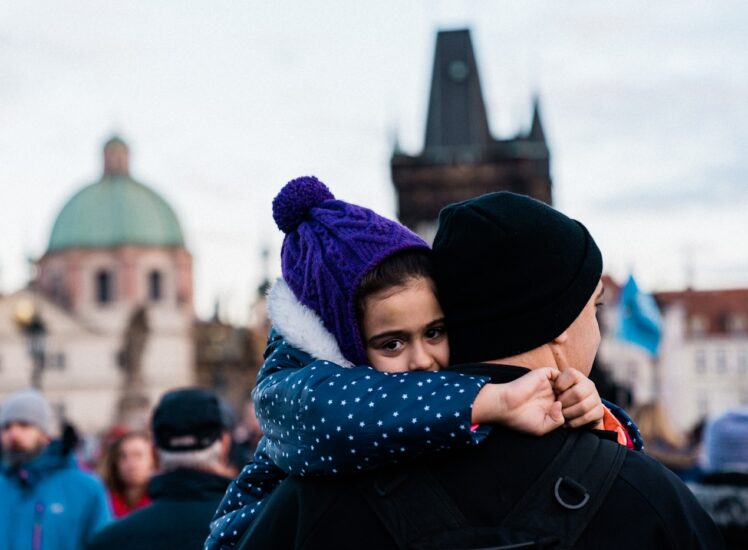
Prague with Kids: Family-Friendly Guide 2026
Planning Prague with kids? Local guide tips on best family attractions by age group, logistics, day trips and what to skip. Private tours from €86/person.
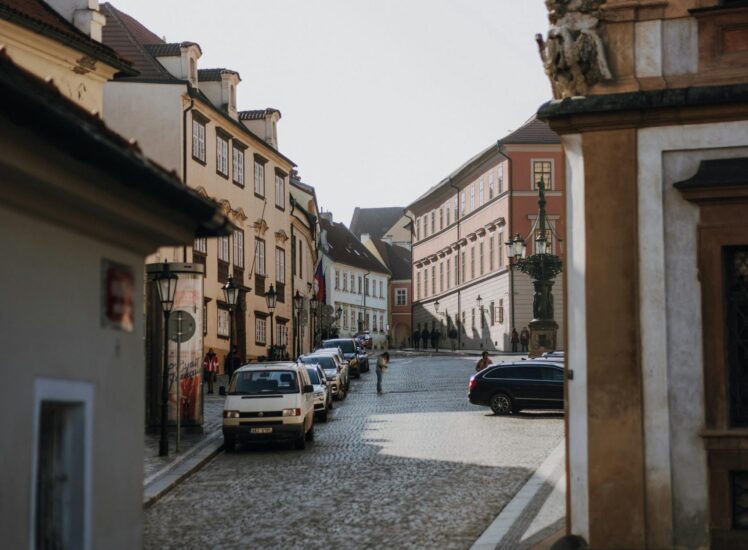
Prague Multi-Day Tours: Private 2–5 Day Itineraries & Experiences (2026)
Plan your Prague trip with a private guide over 2 to 5 days. City highlights, hidden neighbourhoods, and Bohemian day trips built around your schedule.
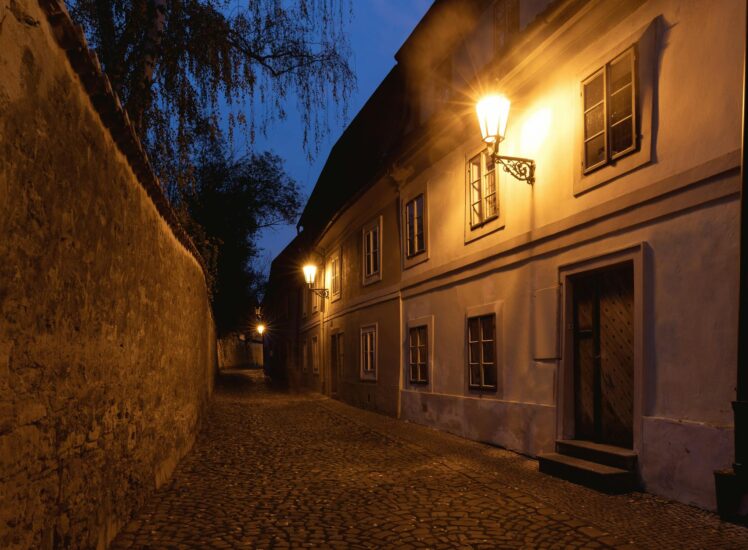
Prague Hidden Gems: 12 Secret Spots Locals Love (2026)
Skip the tourist crowds. Discover Prague 12 best-kept secrets — hidden courtyards, forgotten viewpoints, local markets, and insider spots that surprise even repeat visitors.
