

Kutná Hora is, without question, one of the most extraordinary day trips you can make from Prague. A medieval silver-mining boomtown that once rivalled Prague in wealth and importance, it’s home to one of the world’s most unique attractions — a chapel decorated floor-to-ceiling with the bones of 40,000 people — and a cathedral so magnificent it was modelled after the great Gothic churches of France. Based on our experience guiding hundreds of private tours here, most visitors deeply underestimate how much there is to see and almost always wish they had more time.
This guide gives you everything a local guide knows: exact ticket prices for 2026, how long each attraction actually takes (not the official estimate), the best order to visit everything, and why skipping the Bone Church in favour of the cathedral — or vice versa — is a mistake you’ll regret. Whether you’re planning a half-day or a full-day trip, this is the guide that makes the difference.
Plan your custom Kutná Hora day trip
Why Kutná Hora is Worth the Day Trip from Prague
Most visitors to Prague have heard of Kutná Hora. Many fewer actually make it there. That’s a mistake — and here’s why it consistently ranks as one of the top day trips in Central Europe among travellers who’ve done it.
In the 13th century, one of the largest silver deposits in medieval Europe was discovered beneath this small Bohemian town. The wealth that poured out of Kutná Hora’s mines funded the construction of the Czech Royal Court here, financed Czech kings, and made this city the second most important in Bohemia after Prague. The silver groschen minted here — the pražský groš — became the de facto currency of medieval Central Europe.
That extraordinary wealth explains why Kutná Hora has not one but two UNESCO World Heritage Sites: the Sedlec Ossuary and St. Barbara’s Cathedral, plus the entire historic centre. The contrast between the grim beauty of 40,000 human bones artfully arranged in a chapel and the soaring Gothic magnificence of a cathedral that took two centuries to build is unlike anything you’ll find elsewhere in a 70 km radius of Prague.
Beyond the big two, the Italian Court (where the royal mint operated), Hradek Museum (inside a medieval castle), and the quiet streets of the historic centre all reward a slower pace. Budget at least 5–6 hours — ideally a full day — to do it justice.
How to Get from Prague to Kutná Hora: All Options Compared
Kutná Hora sits 70 km southeast of Prague, about 1 hour by car on the D11 motorway. It’s one of the more accessible day trip destinations from Prague, with multiple transport options — but each has significant trade-offs.
| Transport | Duration | Cost (one way) | Convenience | Notes |
|---|---|---|---|---|
| Private transfer | ~1 hour | From €55 per car | ⭐⭐⭐⭐⭐ | Door-to-door, flexible departure, luggage included |
| Direct train | 55–70 min | ~180–240 CZK (≈ €7–10) | ⭐⭐⭐ | Arrives at Kutná Hora hl.n. — still 3 km from Sedlec Ossuary |
| Train via Kolín | 70–90 min + wait | ~200 CZK | ⭐⭐ | Connection needed; local train to Sedlec is slow |
| Bus | 80–100 min | ~110 CZK (€4–5) | ⭐⭐ | FlixBus or RegioJet; drops at bus terminal, not attractions |
| Rental car / self-drive | ~60 min driving | Parking ~50–80 CZK/hour | ⭐⭐⭐⭐ | Easy drive; parking available near Ossuary and Cathedral |
The critical thing most travel blogs miss: Kutná Hora has two distinct areas — Sedlec (where the Ossuary is, near the train station Kutná Hora hl.n.) and the historic city centre (where St. Barbara’s Cathedral is), about 3 km apart. If you arrive by train without a plan, you’ll face either a 40-minute walk, a taxi, or a local bus between these two areas. A private transfer handles this entirely, stopping at both sites in sequence without any logistics stress.
On a private tour from Prague, we typically drive directly to the Ossuary first (arriving when it opens, beating the tour bus crowds), then move to the Cathedral and Italian Court, then return via the historic centre. The efficiency gain of private transport is significant — you can genuinely spend that saved logistics time inside the attractions.
The Sedlec Ossuary: Everything You Need to Know
The Sedlec Ossuary — locally called kostnice — is the most visited attraction in Kutná Hora and one of the strangest, most memorable sites in all of Central Europe. To understand what you’re looking at, you need the context that almost no guidebook provides adequately.
This is not a mass grave or a horror show. It is a Roman Catholic chapel — consecrated, actively cared for by the Church — where the bones of approximately 40,000 people have been artfully arranged since 1870. The human remains come from medieval plague victims (the Black Death killed tens of thousands here in the 14th century) and from a mass grave created after the Hussite Wars. When the cemetery became overcrowded, a monk began bleaching and stacking the bones in the 13th century. In 1870, the Schwarzenberg noble family commissioned František Rint to create the current arrangement — bone chandeliers, bone garlands, bone pyramids, and the Schwarzenberg family coat of arms, all rendered in human bone.
It is simultaneously disturbing and deeply beautiful. Visitors almost universally describe it as unlike anything they’ve ever seen. Children generally handle it better than parents expect — it’s presented as art and history, not as gore.
Practical information for 2026:
- Address: Zámecká 127, Sedlec, 284 03 Kutná Hora
- Opening hours: Daily 9:00–18:00 (April–September), 9:00–17:00 (October–March)
- Tickets: Adults 120 CZK, Children (under 6) free, Family ticket 250 CZK. Combo with Cathedral: 250 CZK adults
- Time inside: Budget 30–45 minutes. The interior is small but dense with detail.
- Best time to visit: First thing in the morning (9:00–10:30) or after 15:00. Midday in high season sees large group tours.
- Photography: Permitted without flash. Tripods not allowed.
- Crowding: High season (June–August) can mean 20–30 minute queues. Weekday mornings are significantly quieter.
One local tip worth knowing: the Ossuary is located inside the Cemetery Church of All Saints, which itself is architecturally significant. Most visitors rush past the exterior and cemetery without realising they’re standing in a 13th-century Gothic-Baroque church. Take a few minutes to walk around the grounds before going inside — the upper-level view of the bone arrangements through the arched windows is actually better photographed from outside than inside.
St. Barbara’s Cathedral & the Historic Centre
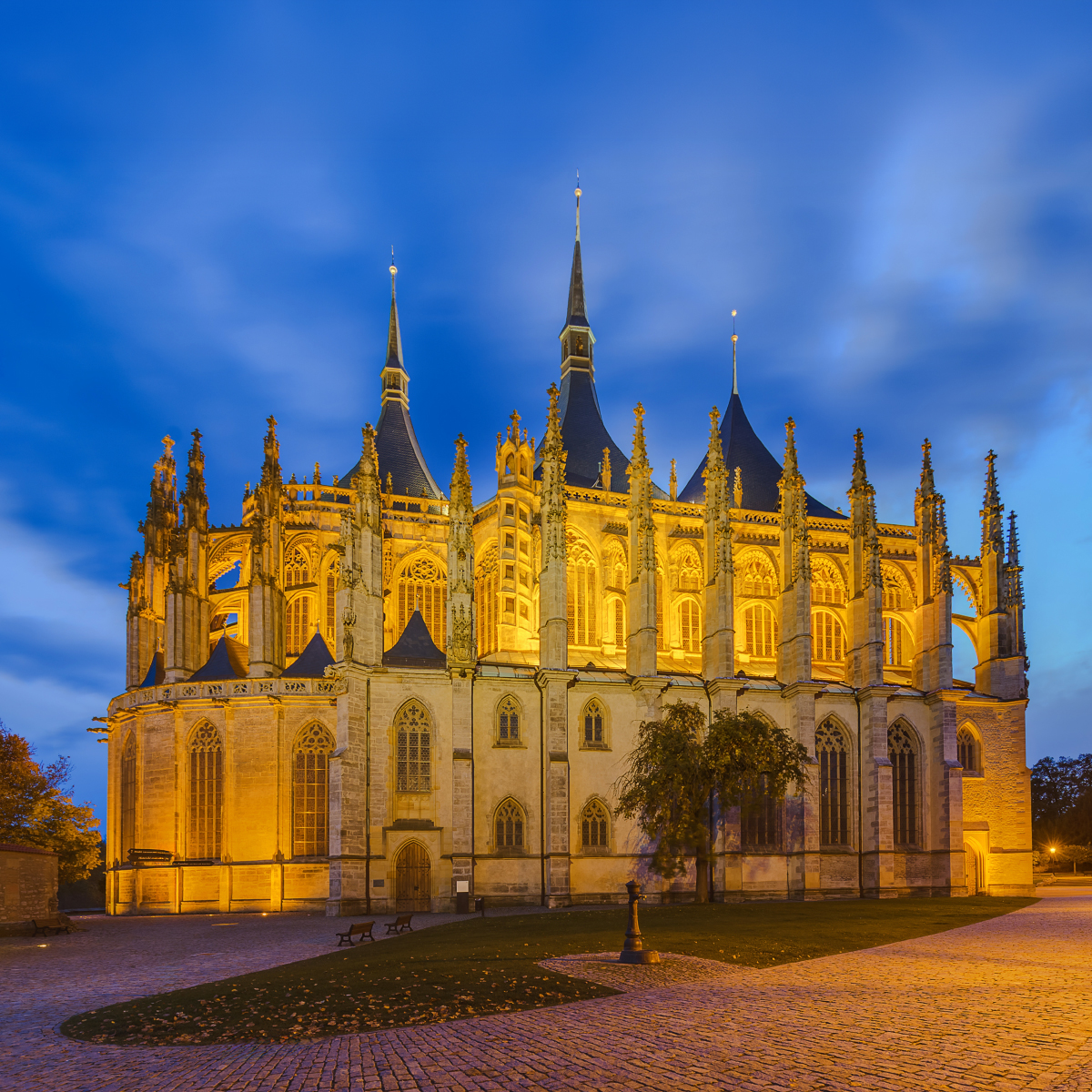
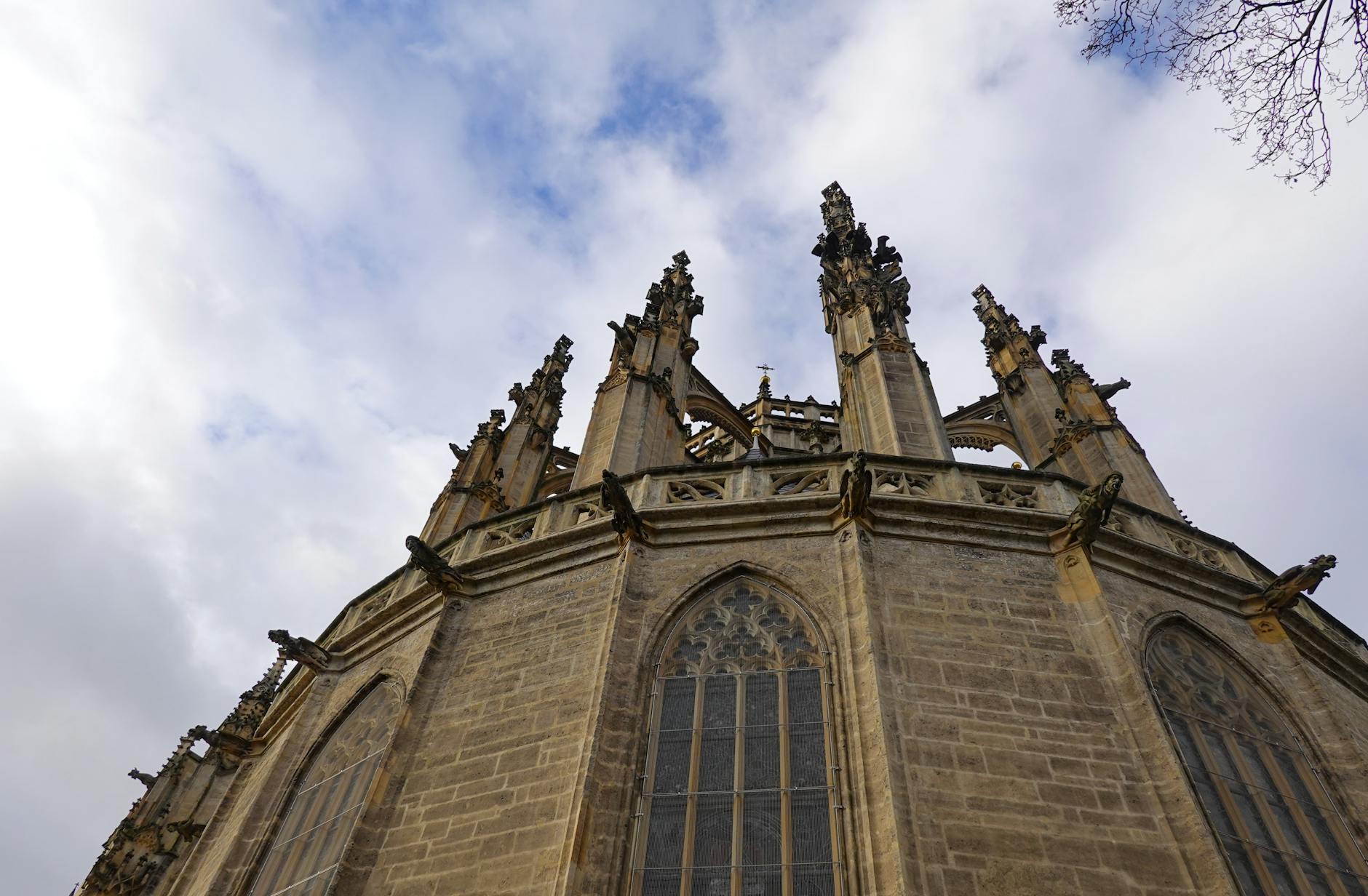
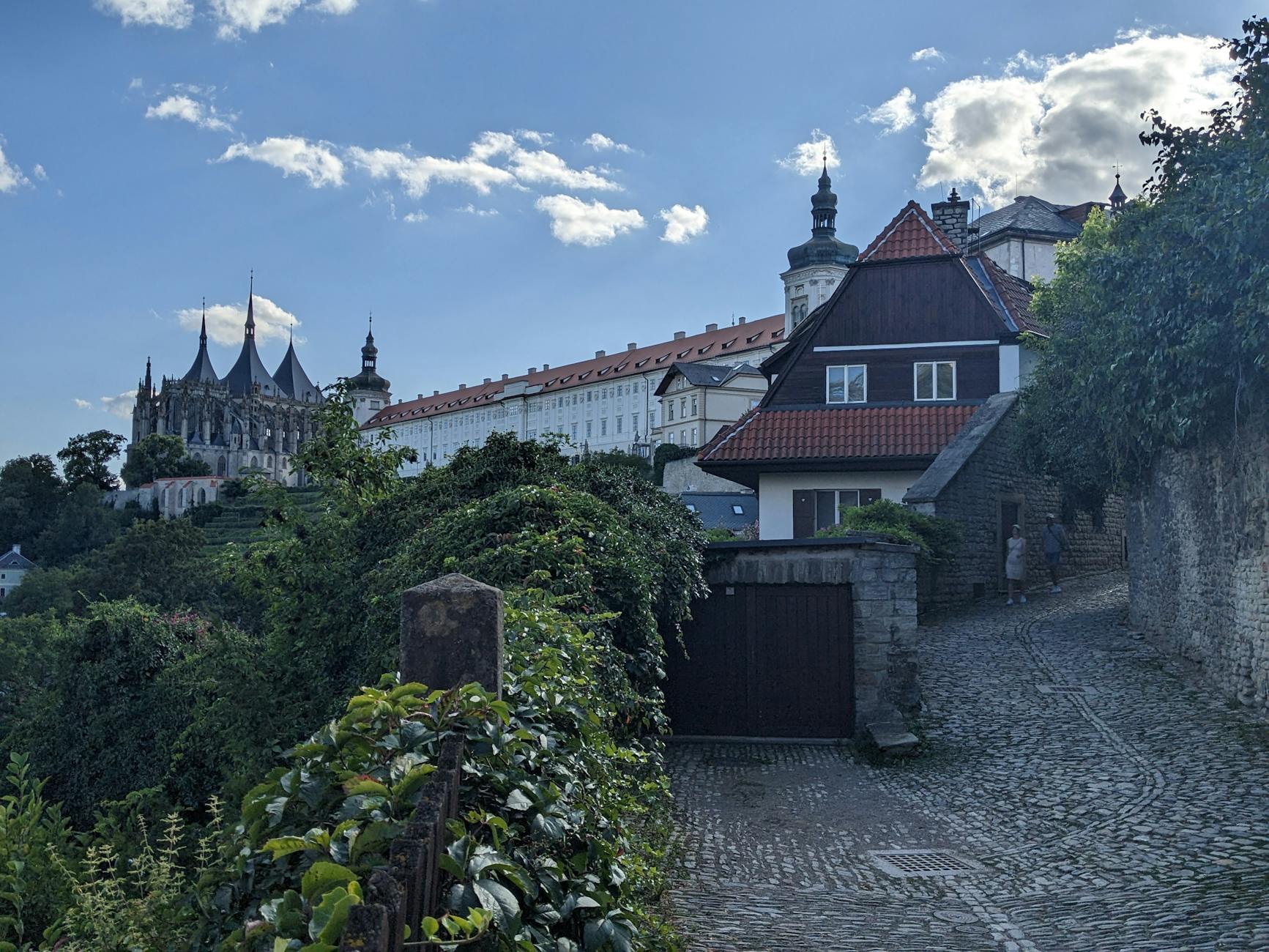
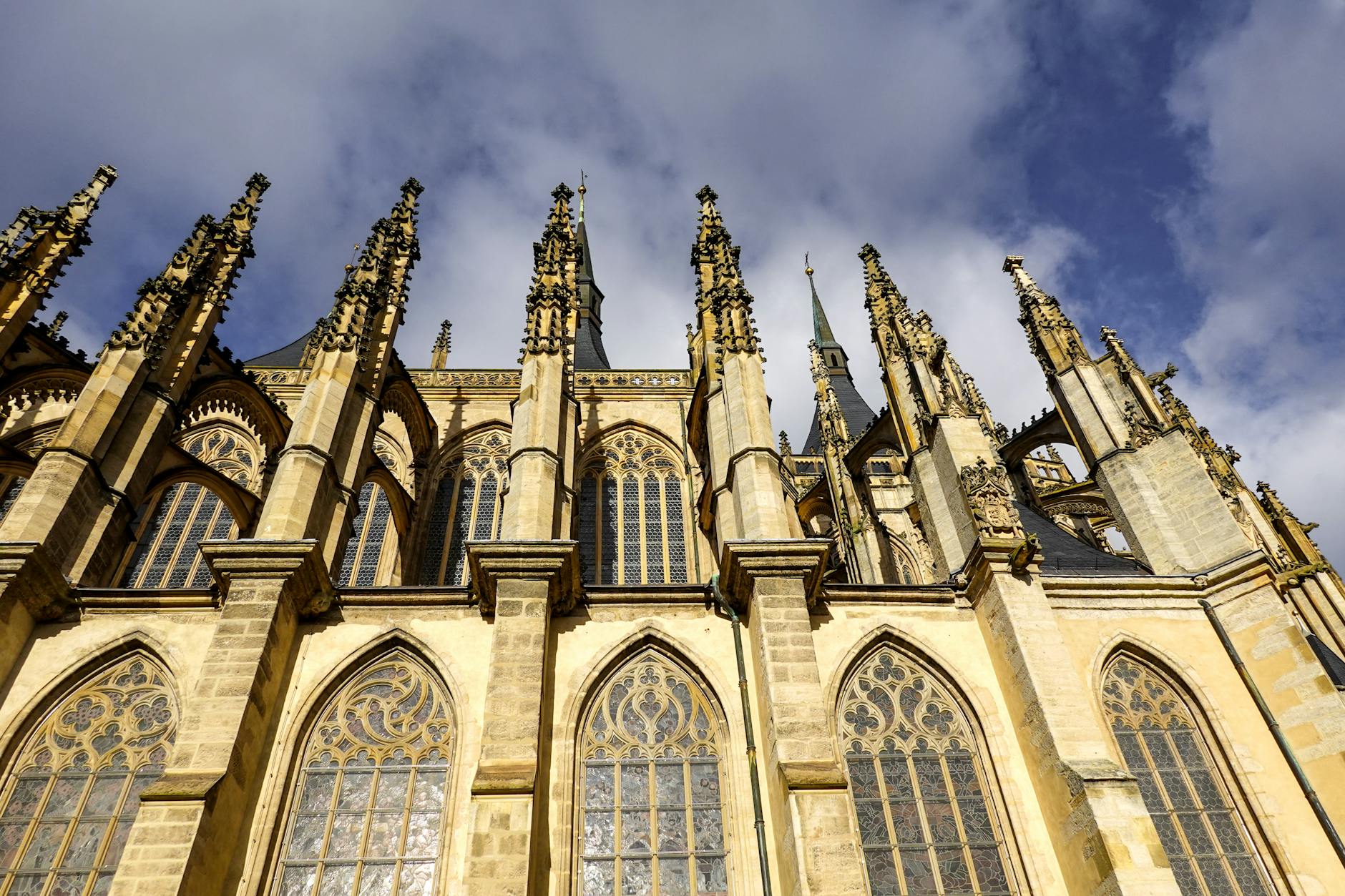
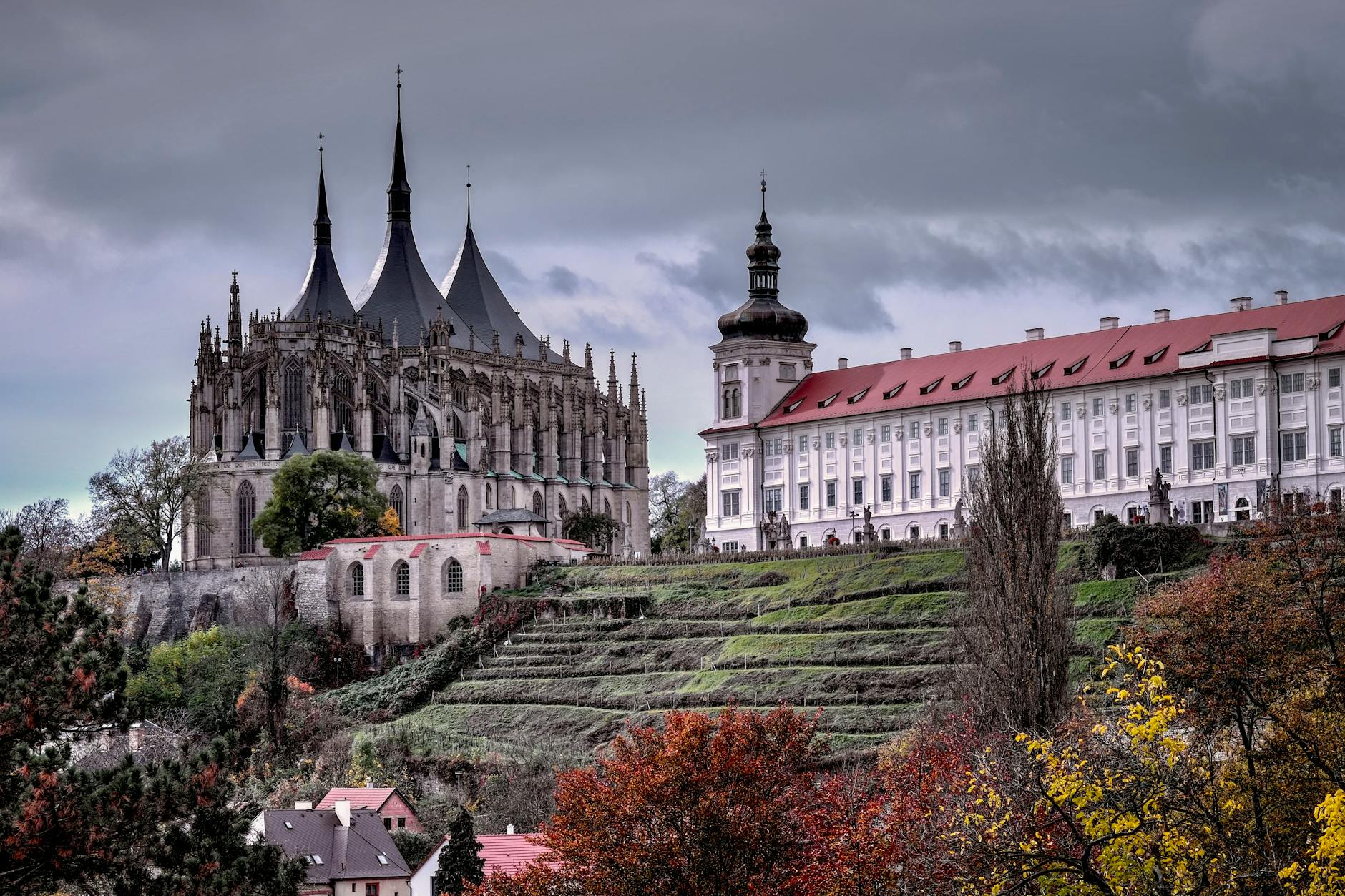
If the Ossuary is Kutná Hora’s most unique attraction, St. Barbara’s Cathedral is its most beautiful. Construction began in 1388 — funded by the silver-mining guilds, who wanted a cathedral to rival St. Vitus in Prague — and continued for over two centuries. The result is one of the finest examples of Gothic architecture in Central Europe, and it is significantly less crowded than anything comparable in Prague.
What makes it remarkable beyond the architecture: the interior frescoes painted by the mining guilds themselves, depicting miners at work in the 15th century. These are among the only surviving medieval artworks showing the everyday labour of miners — scenes that offer a direct window into the economic engine that built this city. Look for the fresco showing miners with their distinctive tools, and the guild symbols embedded throughout the stonework.
Practical information:
- Address: Barborská 685, 284 01 Kutná Hora
- Opening hours: Daily 10:00–18:00 (April–October), 10:00–16:00 (November–March)
- Tickets: Adults 150 CZK, Students/Children 80 CZK. Combo with Ossuary: 250 CZK
- Time inside: 45–60 minutes at a comfortable pace
- Don’t miss: The Baroque Jesuit College along Barborská Street — the long approach lined with Baroque statues is one of the most photogenic walks in Bohemia
The walk from the cathedral back to the city centre along Barborská Street passes between two rows of 18th-century Baroque statues — saints and church figures — set against a backdrop of rolling countryside. It’s often compared to the Charles Bridge in atmosphere, minus the crowds. On a clear day, the views over the surrounding fields are excellent.
In the historic city centre, two further stops worth your time: the Italian Court (Vlašský dvůr, the original royal mint — tours run every 30 minutes, 160 CZK adults) and Hradek, a 15th-century castle now housing the Czech Silver Museum with underground mine tours (book in advance in high season).
Perfect Day Trip Itinerary: Half-Day & Full Day Options
Half-Day (4–5 hours): Essential Highlights
Depart Prague by private transfer 9:00 → Arrive Sedlec Ossuary 10:00 (30–45 min inside) → Transfer to city centre (10 min by car) → St. Barbara’s Cathedral 10:50 (45 min inside + Barborská walk) → Lunch in city centre (45 min) → Italian Court exterior + historic town centre (45 min) → Return to Prague 14:00–14:30. Best for: Tight schedules, families with young children, those combining with another stop (e.g. Konopiště Castle).
Full Day (6–8 hours): Deep Dive
Depart Prague 8:30 → Ossuary 9:30 (45 min, beat the groups) → Cathedral 10:30 (60 min interior + Barborská promenade) → Italian Court guided tour 12:00 (60 min) → Lunch at a local restaurant in the historic centre (60–90 min) → Czech Silver Museum + underground mine tour 14:00 (90 min, pre-book) → Coffee and walk through the historic market square → Return to Prague 17:00–17:30. Best for: History enthusiasts, photographers, repeat visitors to Prague who’ve done the main city sights.
One scheduling note from experience: the Czech Silver Museum mine tour is genuinely unmissable for history enthusiasts, but it runs on fixed group departures and books out in advance during June–August. If you want it in your itinerary, book online at least 3–5 days ahead. The underground walk takes about 45 minutes and involves a helmet and some low ceilings — not suitable for visitors with serious mobility issues, but manageable for most people.
Practical Tips: Tickets, Timing & Common Mistakes
Based on hundreds of private tours to Kutná Hora, here are the things that consistently catch visitors out:
Buy tickets online when possible. The Ossuary and Cathedral both sell tickets at the door, but in high season (June–August, especially weekends), queues of 20–30 minutes are common. The Cathedral’s website allows advance purchase. The Ossuary ticketing is managed through the Kutná Hora tourism portal — book at least 48 hours ahead on busy summer weekends.
The two main sites are not walking distance from each other. Sedlec (Ossuary) and the Cathedral are 3 km apart. Plan for transport between them — taxi (150–200 CZK), local bus line 1 or 4, or rental car. Private tour participants never have to think about this.
Weekday mornings are dramatically better. Kutná Hora receives a significant volume of group bus tours, most of which arrive midmorning and depart by 14:00. Arriving at 9:00–10:00 on a Tuesday or Wednesday means you’ll have both sites largely to yourself. Weekend afternoons in summer can feel uncomfortably crowded inside the Ossuary, which is a small space.
Restaurant options in the historic centre are good. Despite its tourist reputation, Kutná Hora has genuine local restaurants with fair prices. Pivnice Dačický (the oldest pub in town), Restaurant Harmonie, and V Ruthardce are all reliable choices for Czech cuisine, with mains typically 200–350 CZK.
Allow buffer time for the drive. Prague traffic heading southeast (towards the D11 motorway) can be slow during morning rush hour (7:30–9:00). Departing by 8:30 from central Prague gives comfortable margins to reach the Ossuary by 9:30–10:00.
Why a Private Tour to Kutná Hora Makes a Difference
Kutná Hora is one of those destinations where context transforms the experience. Standing in front of 40,000 human bones without knowing the history of the medieval plague, the Hussite Wars, and the Schwarzenberg commission that created the arrangement, is a very different experience from understanding exactly what you’re looking at and why it exists.
Our private Kutná Hora tours include a local guide who can answer questions in real time, handle all the logistics between the two main sites, and adapt the visit to your specific interests — whether that’s the medieval mining history, the religious art, or the architecture. Groups of 2–6 people benefit most, as the guide’s knowledge becomes genuinely tailored conversation rather than broadcast commentary.
Practical advantages of private vs. public transport:
- Door-to-door from your Prague hotel
- Flexible departure time to suit your schedule
- No waiting for buses or trains
- Driver handles parking and navigation between sites
- Can combine Kutná Hora with a second destination (Konopiště Castle, Lednice, or Pardubice on request)
- Return time is flexible — stay longer if you’re loving it
Browse our Kutná Hora private tours
Where to Go Next: Combine with Other Day Trips
You Might Also Enjoy
- Karlovy Vary Day Trip from Prague — The Czech Republic’s most elegant spa town, 1.5 hours west of Prague
- Best Time to Visit Prague in 2026 — Month-by-month guide to weather, crowds and seasonal events
- Private Tour vs Group Tour — Which type of tour is right for your travel style?
Frequently Asked Questions
How far is Kutná Hora from Prague?
What are the must-see attractions in Kutná Hora?
Is Kutná Hora good for a day trip from Prague?
Is the Sedlec Ossuary suitable for children?
How do I book tickets for Kutná Hora attractions?
Can Kutná Hora be combined with another destination?
Related articles
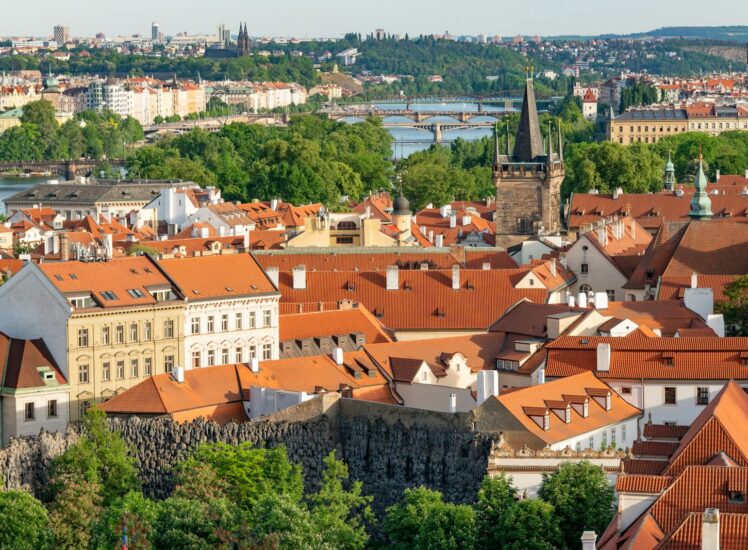
American Airlines Prague Philadelphia 2026: Your Complete Prague Guide
American Airlines now flies direct from Philadelphia to Prague from May 21, 2026. Complete guide: private tours, top sights, and best day trips from Prague.
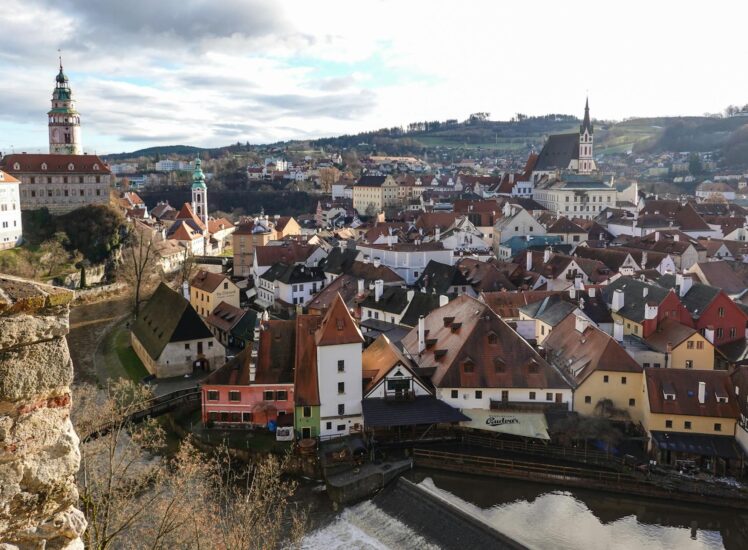
All 16 Czech Republic UNESCO World Heritage Sites — Complete Guide
Complete guide to all 16 Czech Republic UNESCO World Heritage Sites — day trips from Prague, travel times, and honest advice on which are worth visiting.
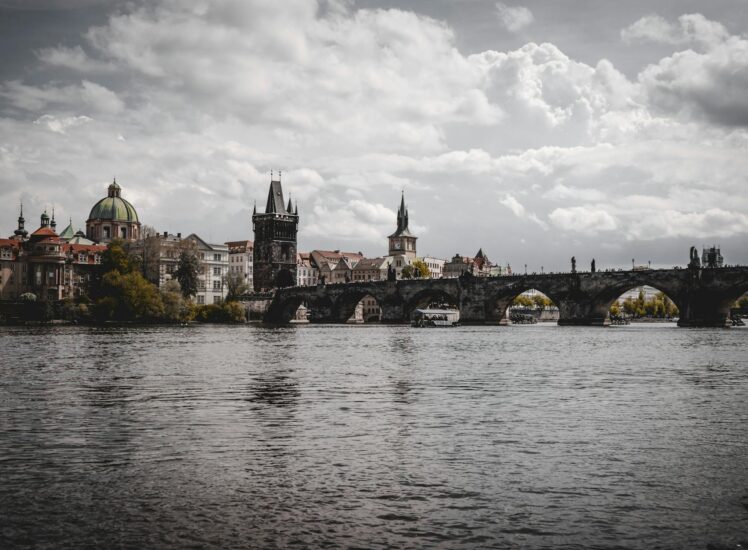
Prague Tours from the USA 2026: Complete Guide for American Travelers
Planning your first Prague tour from the USA? This guide covers what American travelers need: flight tips, tour options, seasonal advice, and what to expect from a private guide.
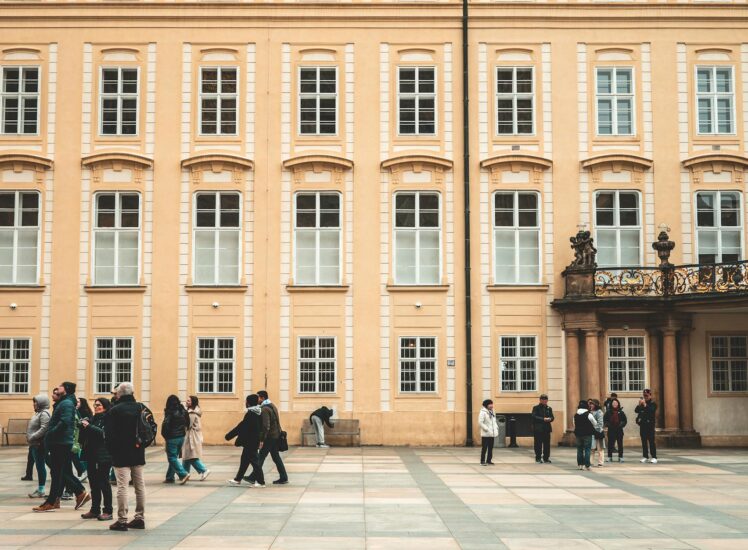
Prague City Tour 2026: Private Half-Day & Full-Day Options
Private Prague city tour in 2026: half-day or full-day options with an expert local guide. Discover Old Town, Charles Bridge and Prague Castle at your own pace.
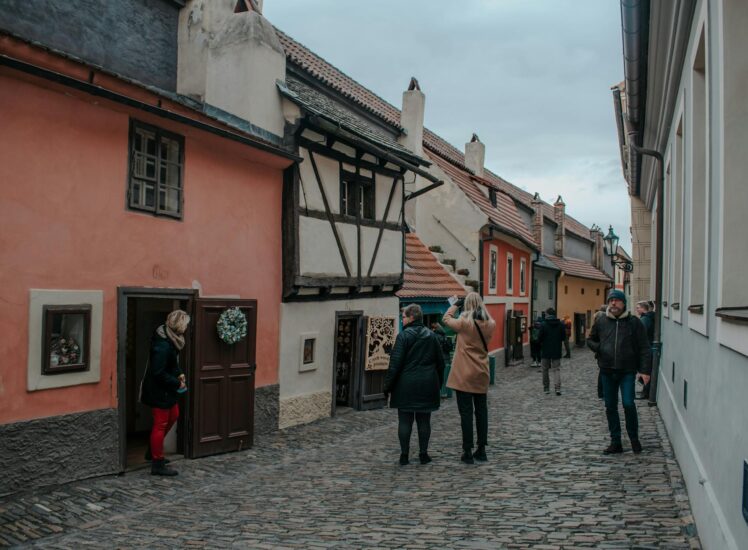
Prague Private Tour 2026: Book a Local Expert Guide
Book a private tour of Prague with a local expert guide. Flexible itineraries, half-day or full-day, tailored to your group. Explore Prague your way in 2026.

Prague with Kids: Family-Friendly Guide 2026
Planning Prague with kids? Local guide tips on best family attractions by age group, logistics, day trips and what to skip. Private tours from €86/person.
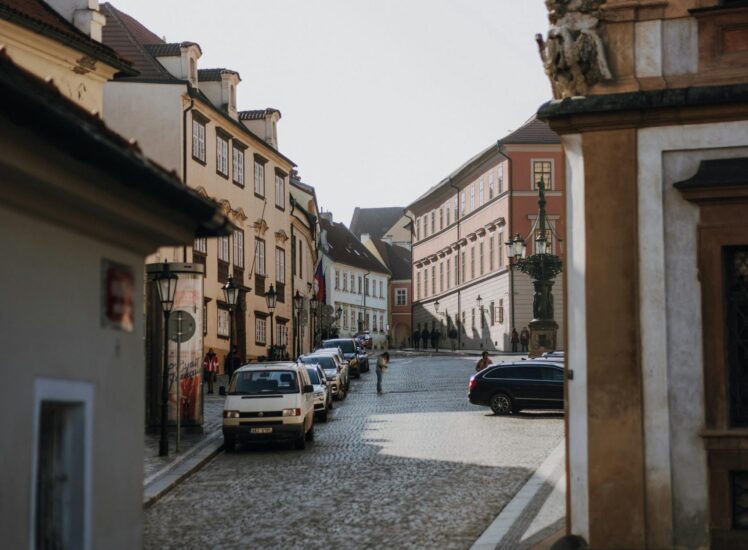
Prague Multi-Day Tours: Private 2–5 Day Itineraries & Experiences (2026)
Plan your Prague trip with a private guide over 2 to 5 days. City highlights, hidden neighbourhoods, and Bohemian day trips built around your schedule.
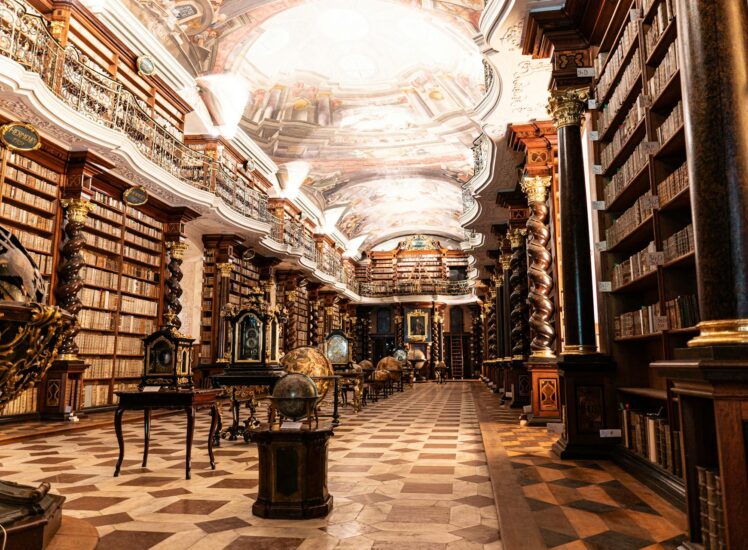
Dan Brown’s Prague: Secret of Secrets Locations — Literary Walk Guide
Walk 8 Prague locations from Dan Brown's The Secret of Secrets — Klementinum, Charles Bridge, Jewish Quarter and more. Literary walking guide.
