

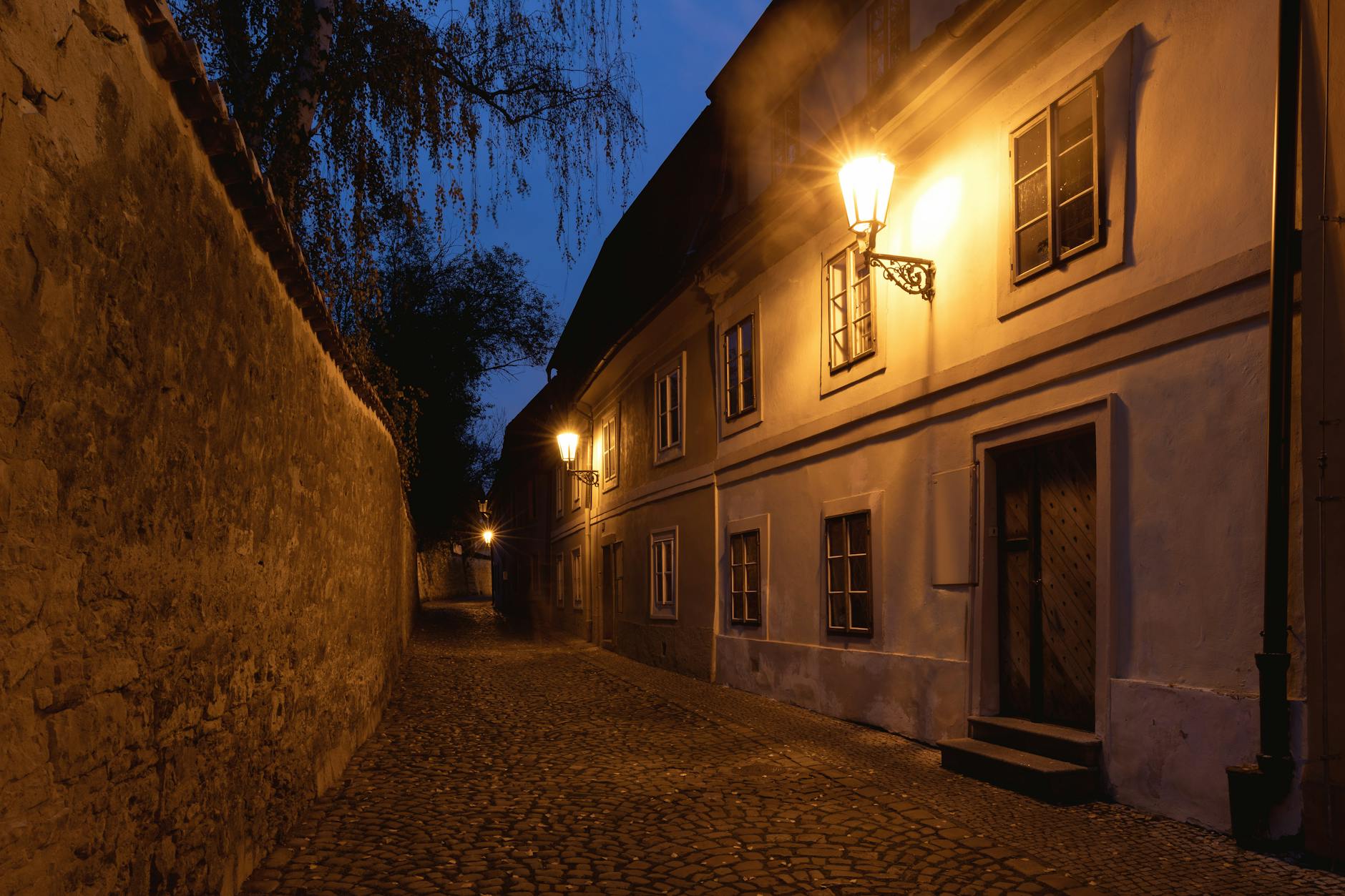
Every major city has its tourist layer and its real layer. In Prague, those two layers are unusually far apart. While millions of visitors queue for the Astronomical Clock, cross Charles Bridge, and eat trdelník they’ve been told is traditional Czech food (it isn’t — it’s a Slovak invention imported in the 2000s for tourists), an entirely different Prague exists just streets away.
Want hidden gems beyond the city limits too? Browse our day trips from Prague or all private tours in the Czech Republic.
I’ve been guiding private tours in Prague for over a decade. These are the Prague hidden gems that genuinely surprise visitors — places I take my guests that make them say, „I had no idea this existed.“
Quick Facts
| Best time to explore | Early morning (7–9 AM) or late afternoon (5–7 PM) |
| Transport | Most spots walkable from Old Town; tram/metro for Žižkov and Vinohrady |
| Cost | Most are free or under 100 CZK / €4 |
| Who it’s for | Second-time visitors, architecture lovers, crowd avoiders |
| our guide’s #1 pick | Nový Svět neighbourhood — fewer than 200 people live there |
1. Nový Svět — Prague’s Forgotten Village
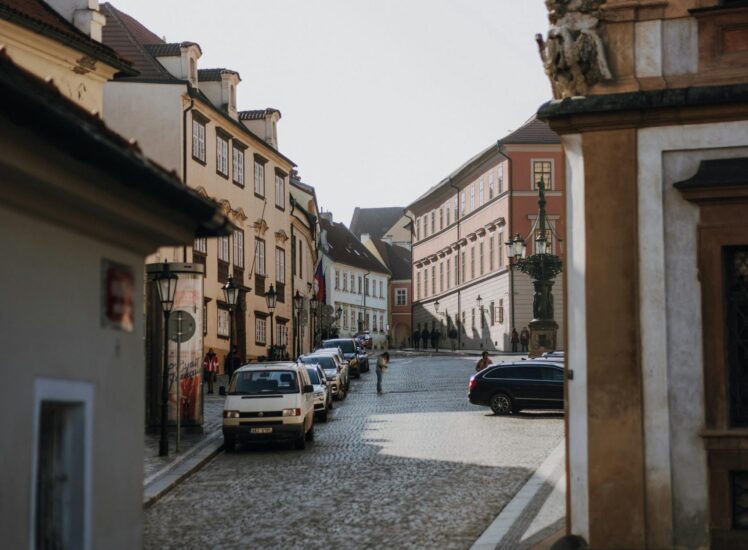
Tucked behind the tourist hustle of Prague Castle, Nový Svět (New World) is a cluster of Baroque cottages from the 17th–18th century historically home to castle servants and tradespeople. Today fewer than 200 people live on its winding lanes.
The houses are painted in faded yellows, greens, and blues. There are no souvenir shops. The only café, Café Nový Svět at No. 2, is tiny and sometimes closed. Come here at 7 AM, before the castle crowds materialize, and you’ll feel like you’ve stepped into a completely different century.
Getting there: Exit Prague Castle through the northern Prašný most gate and walk downhill — 8 minutes on foot.
2. Divoká Šárka — The Wild Park Nobody Tells You About
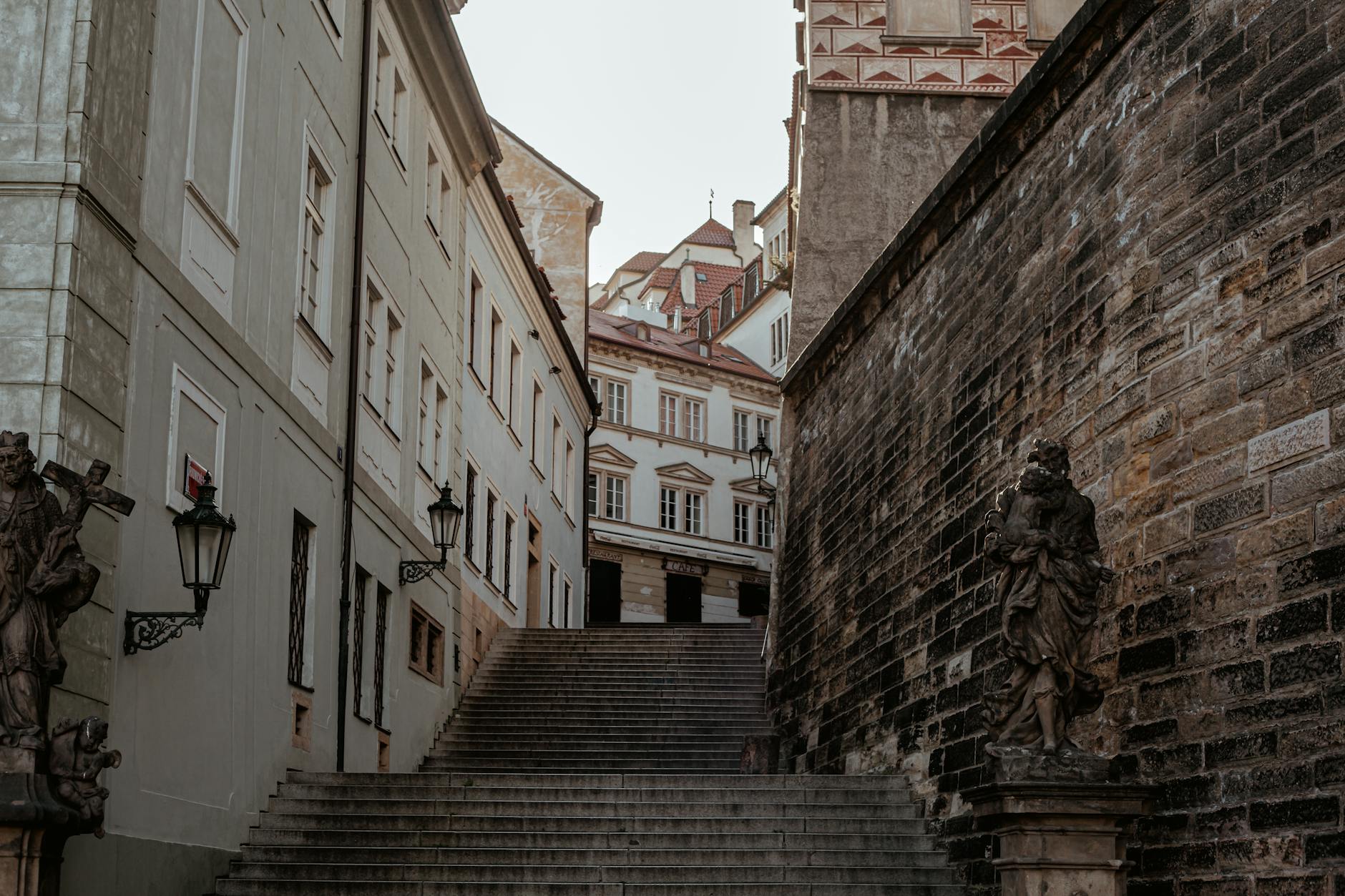
Most visitors to Prague never leave the city center. Divoká Šárka is a nature reserve 20 minutes by tram from Old Town that feels like a different country — limestone cliffs, a reservoir for summer swimming, trails through meadows, and almost no foreign tourists.
In summer, locals swim in the reservoir (free). In spring and autumn, the trails are ideal for walking. The area covers over 260 hectares and contains a surprising variety of terrain for a city park.
Getting there: Tram 26 to Divoká Šárka stop. Runs directly from Náměstí Republiky.
3. Vrtbovská Garden — The Baroque Garden Prague Forgot
There are only a handful of Baroque terraced gardens in Central Europe. The most famous is in Vienna. The best-kept secret is in Malá Strana, three minutes from Charles Bridge.
Vrtbovská Garden is a small 18th-century garden climbing the castle hillside in terraced levels, decorated with statues by Matyáš Braun — the same sculptor responsible for Charles Bridge’s finest figures. Entry is 135 CZK / ~€5.30. Open April–October.
On a Tuesday morning, you might have it entirely to yourself.
4. The Passage System of Central Prague
Between Wenceslas Square and Old Town lies a network of connected covered passages (pasáže) that most visitors walk past without entering. These early 20th-century arcades — Lucerna, Světozor, Rokoko, Alfa — connect entire city blocks and are lined with independent cinemas, wine bars, vintage shops, and old-fashioned restaurants.
Lucerna Passage is the most impressive: a 1907 Art Nouveau complex designed by the grandfather of Václav Havel, containing a cinema, music club, and an upside-down horse sculpture by David Černý hanging from the ceiling. The horse is a direct commentary on the equestrian statue of St. Wenceslas outside — the patron saint of Bohemia, depicted on a dead, upside-down horse.
Entry is free. The Lucerna Music Bar hosts live acts most evenings.

5. Žižkov Cemetery and the Art Nouveau Hidden in Plain Sight
Olšany Cemetery (Olšanské hřbitovy) in Žižkov is one of the largest cemeteries in Central Europe and one of the most architecturally remarkable in Prague. Covering 50 hectares, it contains the graves of Jan Palach (the student who set himself on fire in protest against the Soviet occupation), Franz Kafka’s family, and dozens of significant Czech figures.
What makes it a hidden gem is the quality of the funerary art — elaborate Art Nouveau and Secession-style monuments, sculptural masterpieces that would be in a museum if they weren’t attached to graves. Free to enter, open daily.
The adjacent New Jewish Cemetery contains Franz Kafka‚s grave itself — a modest stone near the main entrance, Section 21, Row 14.
6. Letenský Zámeček — Best Panorama in Prague (Without the Queue)
The Letná plateau above Holešovice has long been popular with locals for the view over the river bend and Old Town. Most tourists who make it here head to the obvious viewpoint near the beer garden. Take 200 steps further east and you reach Letenský zámeček — a Neoclassical hunting lodge turned restaurant where the view is identical but you’re sitting with a Czech beer in hand.
In the 1950s, the Stalin Monument — once the largest statue of Stalin in the world — stood here. After de-Stalinisation, it was demolished with explosives in 1962. The empty plinth was later used by David Černý as a base for a rotating mechanical sculpture of Franz Kafka’s head.
7. Vyšehrad’s Hidden Rotunda
Most tourists who visit Vyšehrad see the fortress walls, the Neo-Gothic basilica, and the famous cemetery. Very few find the Rotunda of St. Martin — an 11th-century round Romanesque chapel tucked behind some trees near the south gate. It’s one of the oldest surviving buildings in Prague, built around 1070, and it’s free to view from outside.
This is the kind of thing a private guide shows you that you’d walk right past otherwise.
8. Kampa Island’s Hidden Mill Stream
Everyone walks through Kampa Island to reach Charles Bridge, but almost nobody follows the Čertovka — a narrow mill stream separating Kampa from Malá Strana proper. The stream powered mills for centuries; two of the original mill wheels are still in place and still turn.
Walking along Čertovka in the early morning, with water rushing below and Baroque houses reflected in the stream, is one of those Prague moments that doesn’t appear in any travel article — because it’s just a street, and it requires no ticket or explanation.

9. Klementinum’s Mirror Chapel
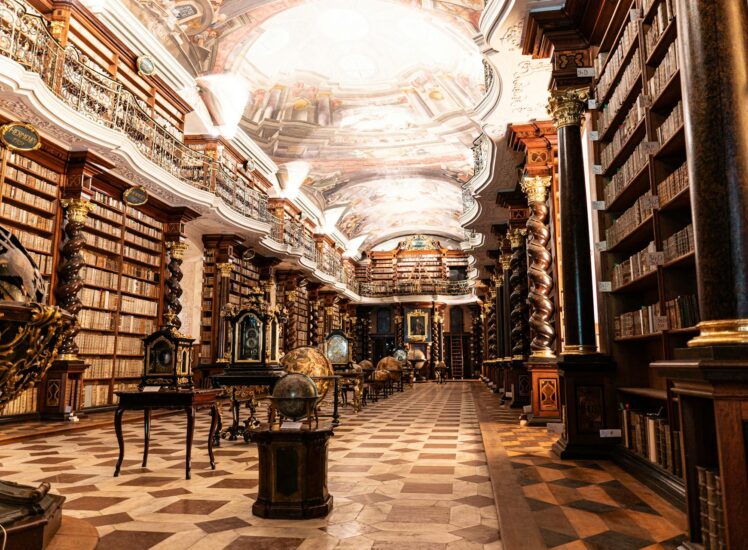
The Klementinum complex near Charles Bridge is known primarily for its Baroque Library Hall — deservedly famous, often photographed, now ticketed and timed-entry. But within the same complex, the Mirror Chapel (Zrcadlová kaple) hosts chamber concerts several evenings per week.
Gilded mirrors, Baroque ceiling frescoes, and a maximum audience of around 100 people in an 18th-century palace chapel. Tickets typically cost 490–790 CZK / €19–31 depending on the ensemble. Check current listings at klementinum.com.
It’s the kind of concert experience that elsewhere in Europe would cost three times as much.
10. The Holešovice Market — Real Prague on Saturday Mornings
On Saturday mornings from April to November, Holešovická tržnice hosts Prague’s most authentic food and artisan market. It’s where Vinohrady and Holešovice locals shop: fresh vegetables from Czech and Moravian farms, artisan bread, raw milk cheeses, and street food ranging from Georgian khachapuri to traditional Czech bramborák (potato pancakes).
The surrounding complex of red-brick market halls from 1895 is also home to the National Agriculture Museum and several independent galleries and studios.
Getting there: Metro C to Nádraží Holešovice, then walk 10 minutes; or Tram 1, 3, 25 to Pražská tržnice.
11. Botanical Garden in Troja
The Prague Botanical Garden in Troja, north of Holešovice, is one of the most underrated spots in the city. The main attraction is the Fata Morgana greenhouse — a 3,000 m² glass pavilion with tropical, subtropical, and arid ecosystems in a spectacular architectural structure. Entry: 120 CZK / ~€4.80.
The garden is a 20-minute walk from the Troja Chateau — another hidden gem, containing a Baroque fresco cycle that took 20 years to complete. In summer, a boat from Císařský ostrov takes you there directly.
12. Nusle Bridge’s Overlooked View
The Nusle Bridge (Nuselský most) is one of Central Europe’s longest urban viaducts — 485 metres spanning the Nusle valley, 42 metres above the valley floor. The metro runs through it. The view from either end, looking across the valley toward Vyšehrad and the castle, is the kind of panorama that doesn’t appear on any Prague postcard — but absolutely should.
Walk it on the way to or from Vyšehrad. It takes 8 minutes. You’ll be mostly alone.
How a Private Guide Changes Everything
A private tour guide doesn’t just show you hidden places — they give you the context that makes the whole city legible. The Lucerna upside-down horse means nothing unless you know the Velvet Revolution. The Vyšehrad cemetery means nothing unless you’ve heard Dvořák. The Klementinum mirror chapel sounds like a tourist trap until you understand the Jesuits‘ role in Baroque Prague.
Our guide our guide has spent his career connecting exactly these dots — as an MA historian, trained photographer, and practicing sommelier, he brings three genuinely different kinds of expertise to every tour.
Prague Half-Day Private Tour — from €86.81 for the entire vehicle Prague Full-Day Private Tour — from €127.66 for the entire vehiclePlan Your Visit
The best time to explore these hidden gems is early morning (7–9 AM) or late afternoon (after 5 PM). For the best months to visit Prague overall, read our complete seasonal guide. To plan your full trip, see our Prague travel guide.
Frequently Asked Questions
What are the most underrated things to do in Prague?
Where do locals go in Prague that tourists don't?
Are there hidden viewpoints in Prague besides the castle?
Is it worth exploring Prague beyond the Old Town?
How do I find hidden gems in Prague on my own?
What is Prague's biggest tourist trap?
Related articles
American Airlines Prague Philadelphia 2026: Your Complete Prague Guide
American Airlines now flies direct from Philadelphia to Prague from May 21, 2026. Complete guide: private tours, top sights, and best day trips from Prague.
All 16 Czech Republic UNESCO World Heritage Sites — Complete Guide
Complete guide to all 16 Czech Republic UNESCO World Heritage Sites — day trips from Prague, travel times, and honest advice on which are worth visiting.
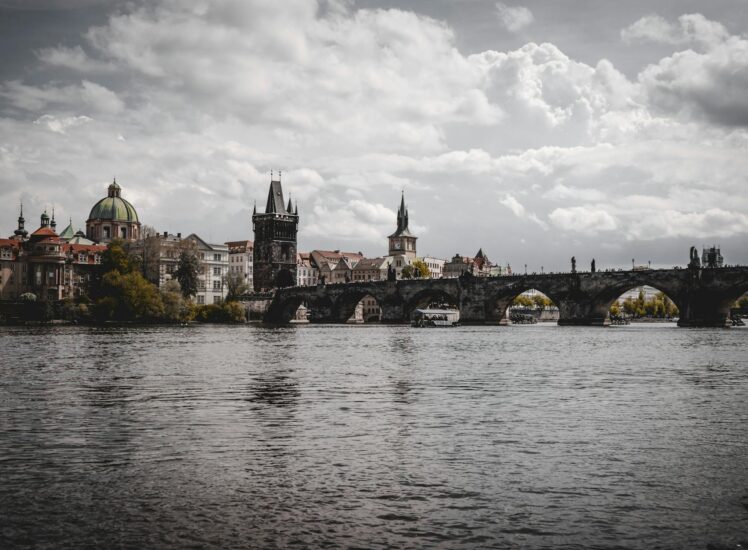
Prague Tours from the USA 2026: Complete Guide for American Travelers
Planning your first Prague tour from the USA? This guide covers what American travelers need: flight tips, tour options, seasonal advice, and what to expect from a private guide.
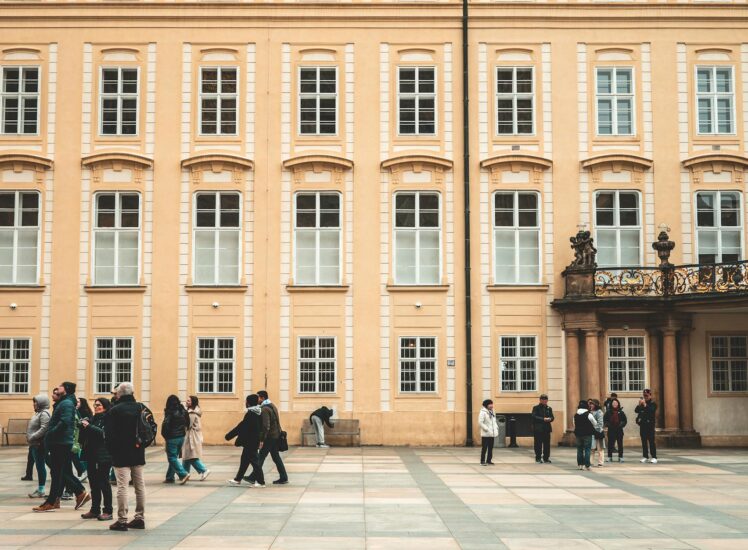
Prague City Tour 2026: Private Half-Day & Full-Day Options
Private Prague city tour in 2026: half-day or full-day options with an expert local guide. Discover Old Town, Charles Bridge and Prague Castle at your own pace.
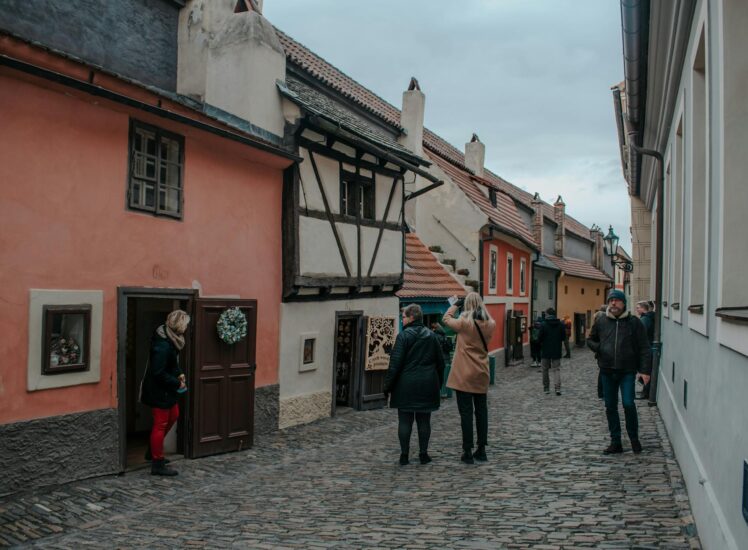
Prague Private Tour 2026: Book a Local Expert Guide
Book a private tour of Prague with a local expert guide. Flexible itineraries, half-day or full-day, tailored to your group. Explore Prague your way in 2026.
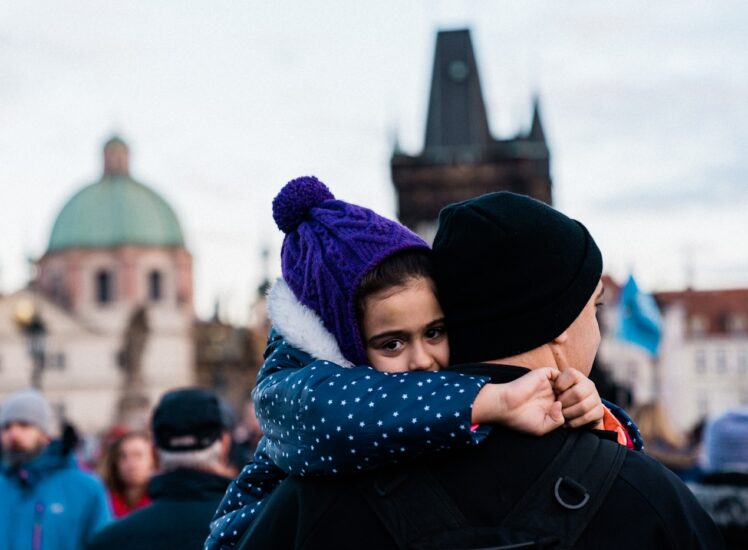
Prague with Kids: Family-Friendly Guide 2026
Planning Prague with kids? Local guide tips on best family attractions by age group, logistics, day trips and what to skip. Private tours from €86/person.
Prague Multi-Day Tours: Private 2–5 Day Itineraries & Experiences (2026)
Plan your Prague trip with a private guide over 2 to 5 days. City highlights, hidden neighbourhoods, and Bohemian day trips built around your schedule.
Dan Brown’s Prague: Secret of Secrets Locations — Literary Walk Guide
Walk 8 Prague locations from Dan Brown's The Secret of Secrets — Klementinum, Charles Bridge, Jewish Quarter and more. Literary walking guide.
