
Getting around the Czech Republic in 2026 is easier than it looks on paper — but only if you know which tool to use for which route. Trains are fast and comfortable on the main Prague–Brno corridor, but unreliable for smaller towns. Buses beat trains on most regional routes and cost a fraction of a taxi. And private transfers become the sensible choice the moment you add time pressure, a group, or luggage into the equation.
This guide cuts through the options with practical route-by-route advice, current prices, and the booking platforms that actually work for tourists.
Book a private transfer in the Czech RepublicThe 30-second answer — what to use when
Not everyone wants to read a full guide. Here is the condensed version:
- Prague → Brno: Train (Pendolino, 2h 30 min, CZK 250–450). Bus is slower and not worth it here.
- Prague → Český Krumlov: Bus direct (RegioJet, 3h, CZK 130–260) or private transfer (2.5h, CZK 3,800+).
- Prague → Karlovy Vary: Bus (RegioJet, 2h, CZK 100–180). Train takes 3.5h with a change — avoid.
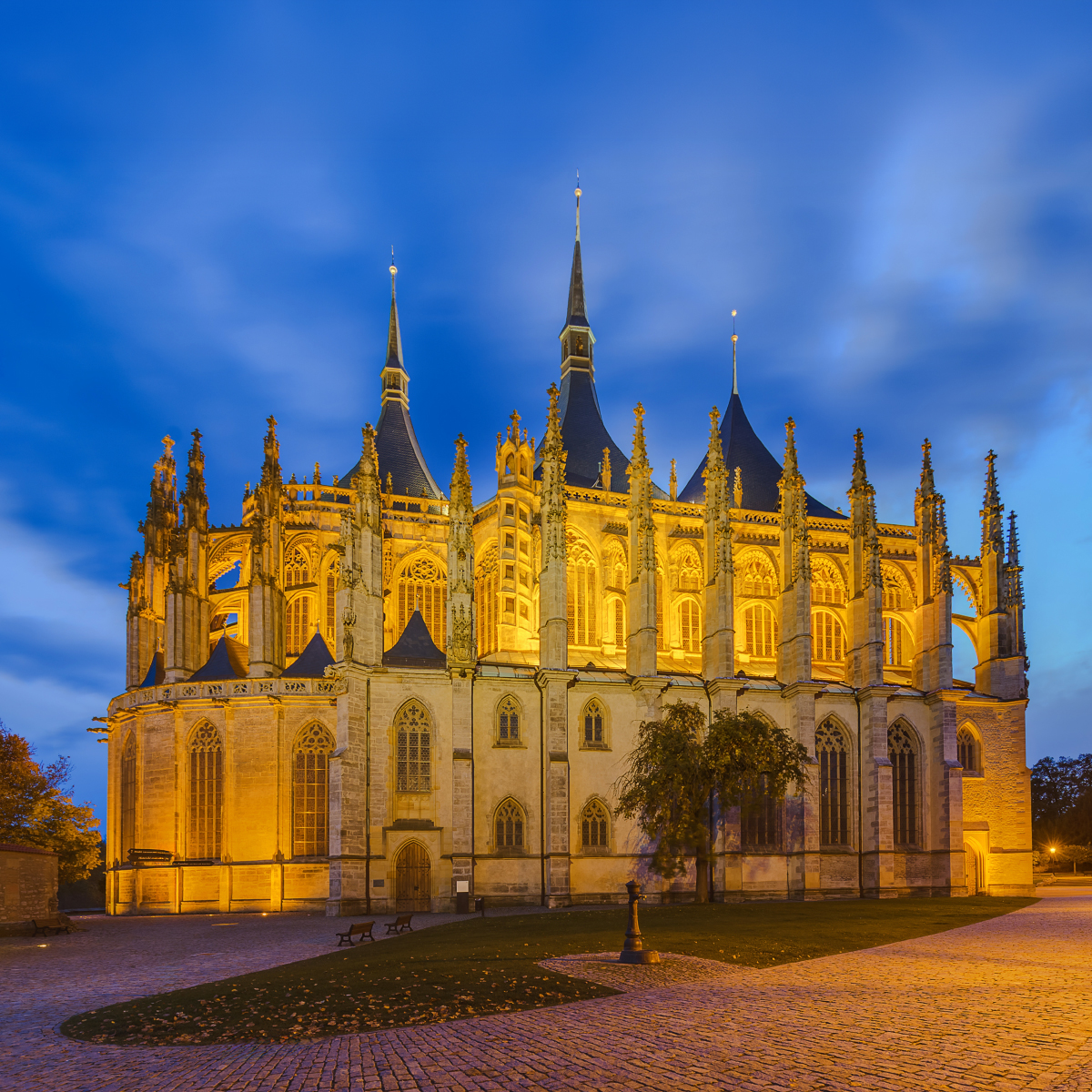
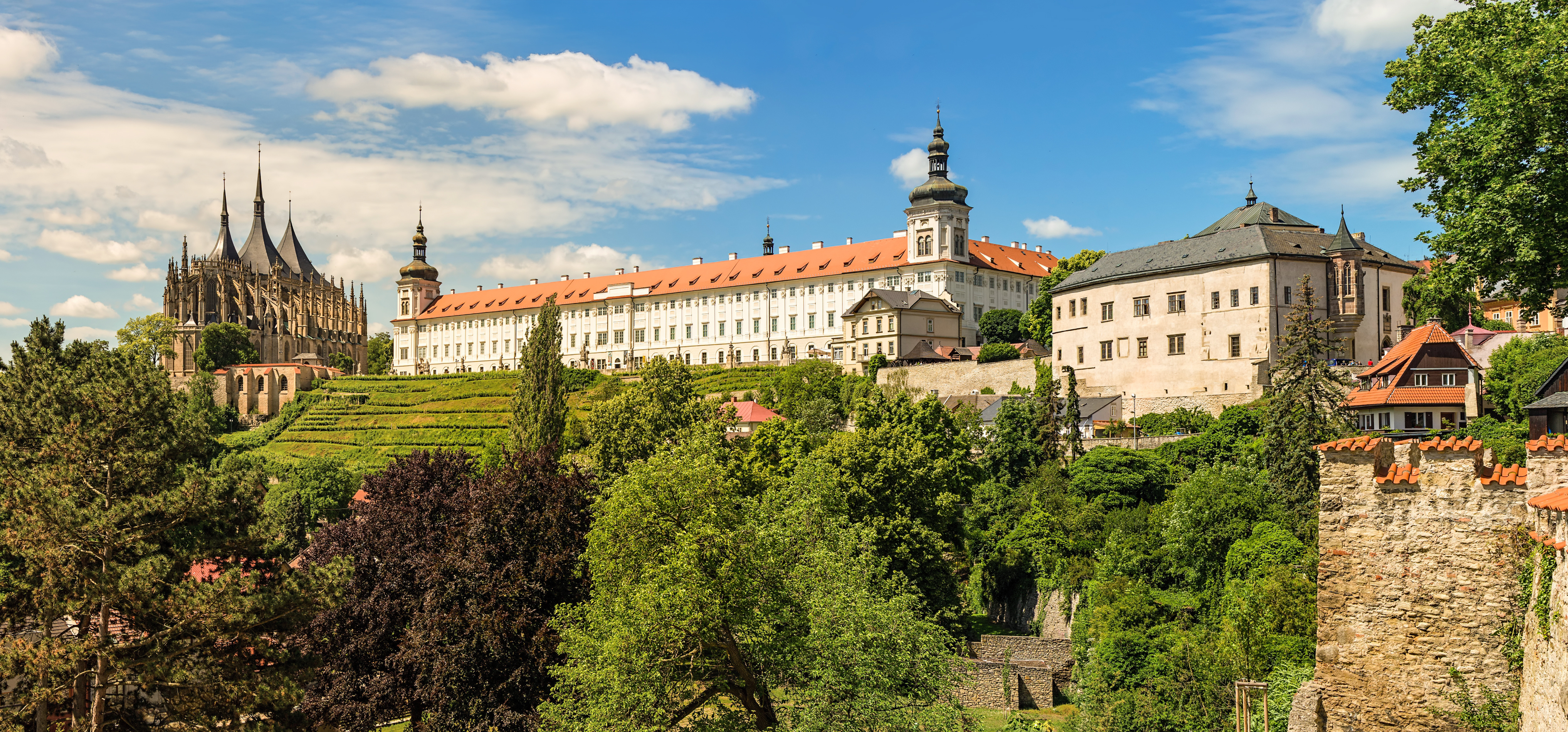
- Prague → Kutná Hora: Train (direct, 55 min, CZK 120). Easiest and cheapest option.
- Prague → Olomouc: Train (direct, 2h 10 min, CZK 200–380).
- Airport → city centre: Taxi via app (Bolt, 300–400 CZK, 25–35 min) or bus+metro (CZK 40, 45–60 min).
Trains in Czechia — great when direct, frustrating otherwise
Czech Railways (ČD — České dráhy) runs the national network with RegioJet and Leo Express operating competing high-speed and intercity services on the main corridors. The difference in quality is significant: modern RegioJet coaches have WiFi, power sockets, onboard stewards, and comfortable seats. ČD Pendolino trains (EC and SC categories) are similar. Regional ČD trains vary from acceptable to very basic.
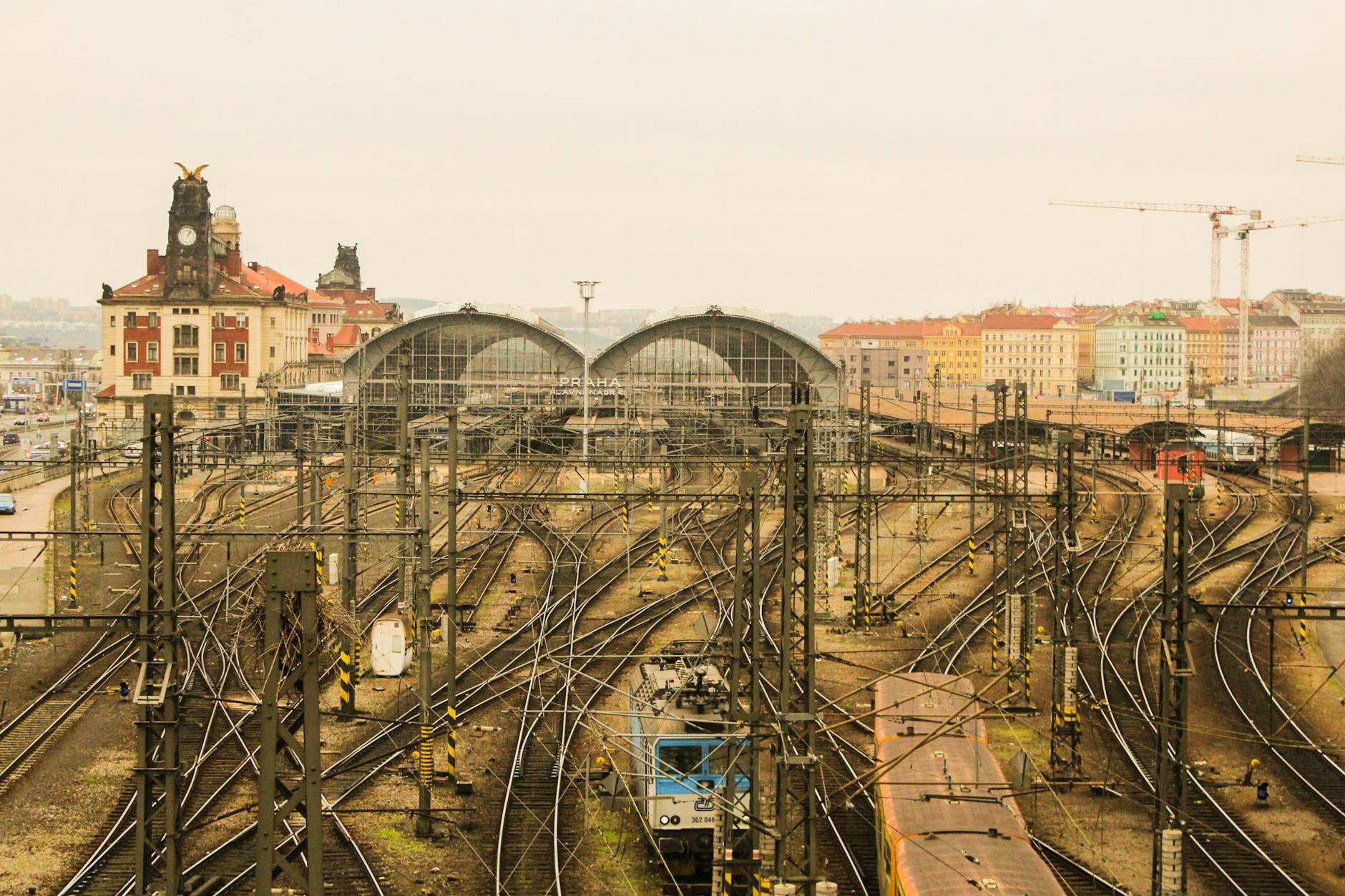
Where trains win: Prague–Brno (direct, 2h 30 min, every 30 min in peak hours), Prague–Olomouc (direct, 2h 10 min), Prague–Kutná Hora (direct, 55 min). These are genuinely good value and comfortable.
Where trains disappoint: Routes requiring a change, smaller regional lines, and anything involving Česká Budějovice as a hub (connections can require 30–60 min waits). The Czech rail network has significant gaps — many tourist destinations are better served by bus.
Booking: cd.cz (ČD), regiojet.cz, leoexpress.com. Buy online for best prices — walk-up fares cost 30–50% more. Reservations are mandatory on Pendolino and EC trains (included in some fares, otherwise CZK 50 extra). International rail passes (Eurail, Interrail) are valid on ČD trains with seat reservation supplement.
Validity tip: A ČD ticket bought for a specific train can often be used on the next train on the same route if you miss your connection due to a ČD delay — keep your original ticket and speak to the conductor.
Buses — often the best tool for budget travellers
Czech intercity buses are a legitimate alternative to trains — not a second-rate option. RegioJet (yellow coaches) in particular offers a business-class experience at economy prices: WiFi, stewards with hot drinks, guaranteed seats, USB charging. FlixBus covers many of the same routes more cheaply but with less service.

Routes where buses beat trains:
- Prague → Karlovy Vary (bus 2h vs train 3.5h with change)
- Prague → Český Krumlov (bus direct 3h vs train 3.5h+ with change)
- Prague → Liberec (bus 1.5h vs train 2h+ with slow regional connection)
- Prague → Plzeň (bus 1h vs train 1h 20 min — bus cheaper and runs more frequently)
Main departure points in Prague: Florenc (main intercity hub, metro line B/C), Na Knížecí (for south Bohemia routes, metro line B Anděl), Holešovice/Nádraží Holešovice (for some northern routes).
Booking: regiojet.cz, flixbus.com, bustickets.cz (aggregator). Book at least 3–7 days ahead in summer — popular routes sell out. Cancellation policies vary: RegioJet allows changes up to 15 minutes before departure; FlixBus charges a fee.
Taxis and ride-hailing — a few rules avoid all problems
Prague taxis have had a genuine scam problem — specifically unlicensed drivers at airports and tourist areas overcharging by 3–10× the legitimate rate. This is largely solved if you use ride-hailing apps:
- Bolt — the most popular option, upfront pricing, works across Czech cities
- Liftago — Czech app, connects you to licensed taxi drivers, upfront price
- Uber — available in Prague, prices slightly higher than Bolt
Hailing a taxi on the street or taking one from a taxi rank outside tourist attractions is the high-risk option. If you must use a street taxi, ask for the price upfront and confirm the meter is running. Legitimate Prague–airport rates run CZK 550–750 from the centre.
Outside Prague: Ride-hailing apps have limited coverage in smaller Czech cities. In Brno, Bolt works well. In Olomouc, Kroměříž, Kutná Hora, and similar towns, local taxi companies are the main option — your hotel can order one reliably.
Private transfers — when they make sense
A private transfer is a pre-booked vehicle with a driver, picking you up at your exact location and delivering you door-to-door. Not a luxury — a calculation. The question is whether the price per person is worth the time, comfort, and flexibility saved.
When private transfers beat public transport:
- Group of 3–4 people: per-person cost rivals bus, with door-to-door convenience
- Airport at 6am with heavy luggage: no metro + bus combination is worth the stress
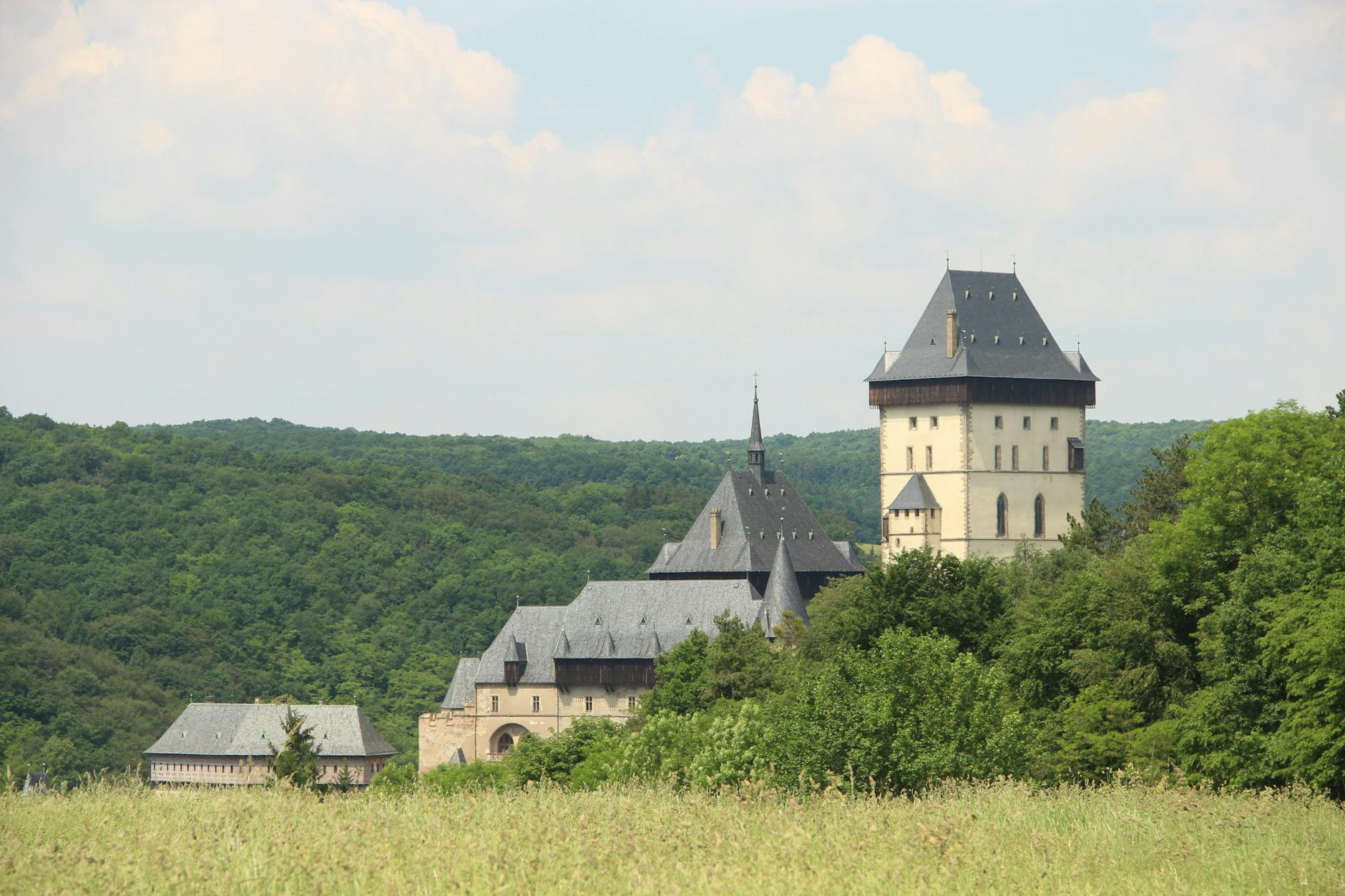
- Day trip to a destination with no direct rail/bus link (Hluboká Castle, Průhonice, Konopiště)
- Multi-stop itinerary (Prague → Kutná Hora → Olomouc → Brno in one day)
- Business travel with schedule constraints
Current market prices (2026): Prague to České Budějovice CZK 3,200–4,500 (sedan), Prague to Brno CZK 4,500–6,000, Prague to Kutná Hora CZK 2,200–3,000 one way. Vehicles: sedan (1–3 pax), minivan (4–7 pax), minibus (8–13 pax). Most reputable operators include English-speaking driver, bottled water, meet-and-greet, and flight/train monitoring for airport/station pickups.
Top routes from Prague — quick reference
| Destination | Best option | Time | Price (1 person) |
|---|---|---|---|
| Brno | Train (Pendolino) | 2h 30 min | CZK 250–450 |
| Kutná Hora | Train (direct) | 55 min | CZK 100–160 |
| Karlovy Vary | Bus (RegioJet) | 2h | CZK 100–180 |
| Český Krumlov | Bus direct / Transfer | 3h / 2h 30 min | CZK 130–260 / 3,800+ |
| Olomouc | Train (direct) | 2h 10 min | CZK 200–380 |
| Plzeň | Bus or Train | 1h 00–1h 20 min | CZK 90–180 |
| Kroměříž | Train via Přerov/Hulín | 3h | CZK 200–350 |
| Liberec | Bus (RegioJet) | 1h 30 min | CZK 90–160 |
| Adršpach Rocks | Train + regional | 3h 30 min | CZK 200–320 |
| Airport (Václav Havel) | Bolt app | 25–35 min | CZK 300–450 |
Practical booking tips for tourists
Buy in advance: Rail and bus prices are dynamic. The cheapest fares on RegioJet and ČD Pendolino sell out 2–3 weeks before popular travel dates in summer. Last-minute fares can be 2–3× more expensive.
Validate your ticket: On regional Czech trains and some bus routes, tickets must be validated (stamped/scanned) at the platform before boarding. On RegioJet and Leo Express trains, your QR code is scanned on board — no separate validation needed.
Czech transport apps: IDOS (jizdnirady.cz) is the most comprehensive Czech journey planner covering trains, buses, and metro. Available in English. Pubtran is a good mobile alternative. Google Maps works well for Prague city transport but is less reliable for national connections.
Czech transport cards: Lítačka is Prague's transit card (for city transport only). Not useful for intercity travel. If you're spending 3+ days in Prague, a 3-day or 7-day transit pass is better value than per-trip tickets.
Language: All major ticket booking platforms (ČD, RegioJet, FlixBus) have English interfaces. Station display boards show English translations for main stations. Platform numbers are announced in Czech only at smaller stations — check your app or ask at the information desk.
You might also enjoy
- Prague to Český Krumlov — detailed guide to the most popular day trip from Prague
- Kroměříž Day Trip from Prague — UNESCO baroque garden and castle, 3 hours from Prague
- Prague Day Trips by Private Car — custom itinerary routes across Bohemia and Moravia