

⏱ Reading time: 12 minutes
Prague’s weather shapes every touring decision — from what shoes to pack to which month guarantees golden-hour photography on Charles Bridge. As a local guide, I’ve watched weather derail more trips than poor planning ever has: July heat that shortened a full-day tour to a morning session, November drizzle that transformed an outdoor castle walk into a scrambled museum visit. This guide cuts through the generic advice and gives you the actual month-by-month data you need.
Unlike travel blogs that summarize weather in three sentences, this guide covers precise temperature ranges, rain day counts, daylight hours, and critically — how each month’s conditions actually affect what you can do and see in Prague. Whether you’re deciding between May and September, wondering if December is worth it, or trying to figure out how to survive a July tour, this is the complete picture.
Temperatures, precipitation patterns, packing strategies, and insider touring tips — everything tailored to helping you experience Prague at its best, whatever month you choose to visit.
Book a Private Full-Day Prague Tour — Tailored to Your SeasonQuick Facts — Prague Weather
- Warmest month: July — avg. 26°C (79°F)
- Coolest month: January — avg. 2°C (36°F)
- Rainiest month: July — 12 rain days/month
- Best touring month: September (20°C, 9 rain days, golden light)
- Peak tourist season: June–August (most crowds, highest prices)
- Daylight range: 8.5 hrs (December) to 16 hrs (June–July)
Prague Monthly Weather at a Glance
The table below covers average high/low temperatures, typical rain days, and the practical touring implication of each month. These figures reflect 30-year averages for Prague from Czech Hydrometeorological Institute data.
| Month | Avg High | Avg Low | Rain Days | Best For |
|---|---|---|---|---|
| January | 2°C (36°F) | −2°C (28°F) | 10 | Solitude, minimal crowds |
| February | 4°C (39°F) | −1°C (30°F) | 9 | Architecture photography, clear air |
| March | 9°C (48°F) | 2°C (36°F) | 9 | Early spring, gardens opening |
| April | 16°C (61°F) | 7°C (45°F) | 10 | Cherry blossoms, gardens in bloom |
| May | 21°C (70°F) | 12°C (54°F) | 10 | Ideal touring temperature, long days |
| June | 24°C (75°F) | 15°C (59°F) | 11 | Peak warmth, extended daylight |
| July | 26°C (79°F) | 17°C (63°F) | 12 | Warmest month — book early mornings |
| August | 25°C (77°F) | 16°C (63°F) | 11 | Late August: fewer tourists, still warm |
| September | 20°C (68°F) | 12°C (54°F) | 9 | Golden hour light, comfortable walk |
| October | 14°C (57°F) | 7°C (45°F) | 9 | Autumn foliage, crisp air |
| November | 7°C (45°F) | 2°C (36°F) | 11 | Moody atmospheric light, quiet streets |
| December | 3°C (37°F) | −1°C (30°F) | 11 | Christmas markets, festive Prague |
Spring in Prague: March, April and May
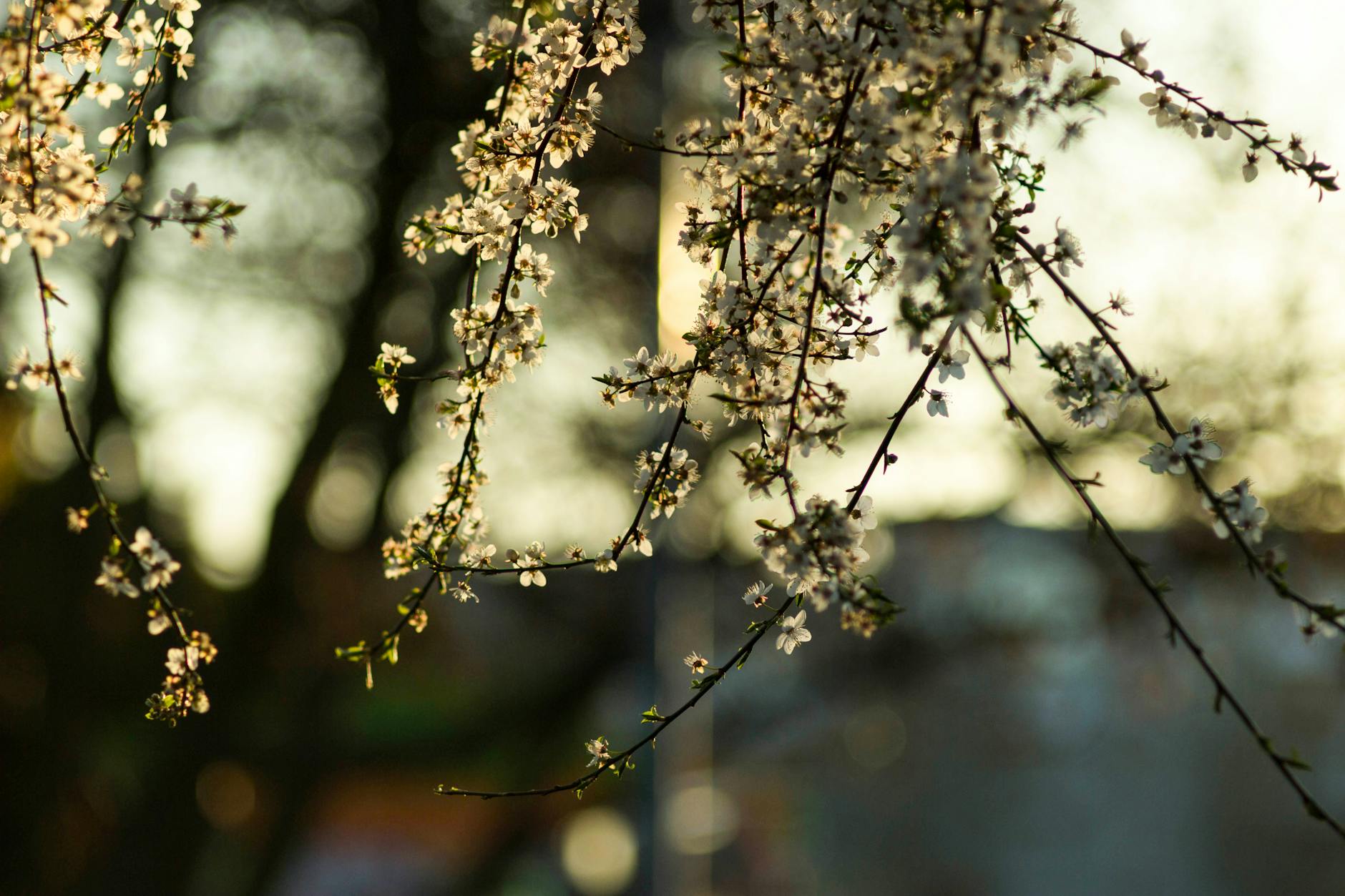
Spring is Prague’s awakening season — temperatures climb from a cautious 9°C in March to a comfortable 21°C by May, and daylight stretches from 12 to 15 hours. Cherry blossoms peak in April, transforming Petrín Hill into a pink wonderland, while outdoor cafe terraces reopen across the city. The Botanical Garden of Charles University is at its absolute best in late April — Renaissance-era paths framed by blossoms with zero tourist crowds.
April brings 10 rain days, often heavy showers with gusts — a proper rain jacket is non-negotiable, not just an umbrella. May is the sweet spot: 21°C, 15 hours of daylight, mostly afternoon thunderstorms. Morning tours starting at 7:00 AM catch Charles Bridge before crowds arrive. This is when Czech gardens and parks reach full bloom — pack lightweight layers as the day warms from 12°C morning to 21°C afternoon.
Spring packing: waterproof jacket (non-negotiable in April), layered clothing, water-resistant walking shoes, umbrella rated for wind. Sunscreen from May onward.
Summer in Prague: June, July and August
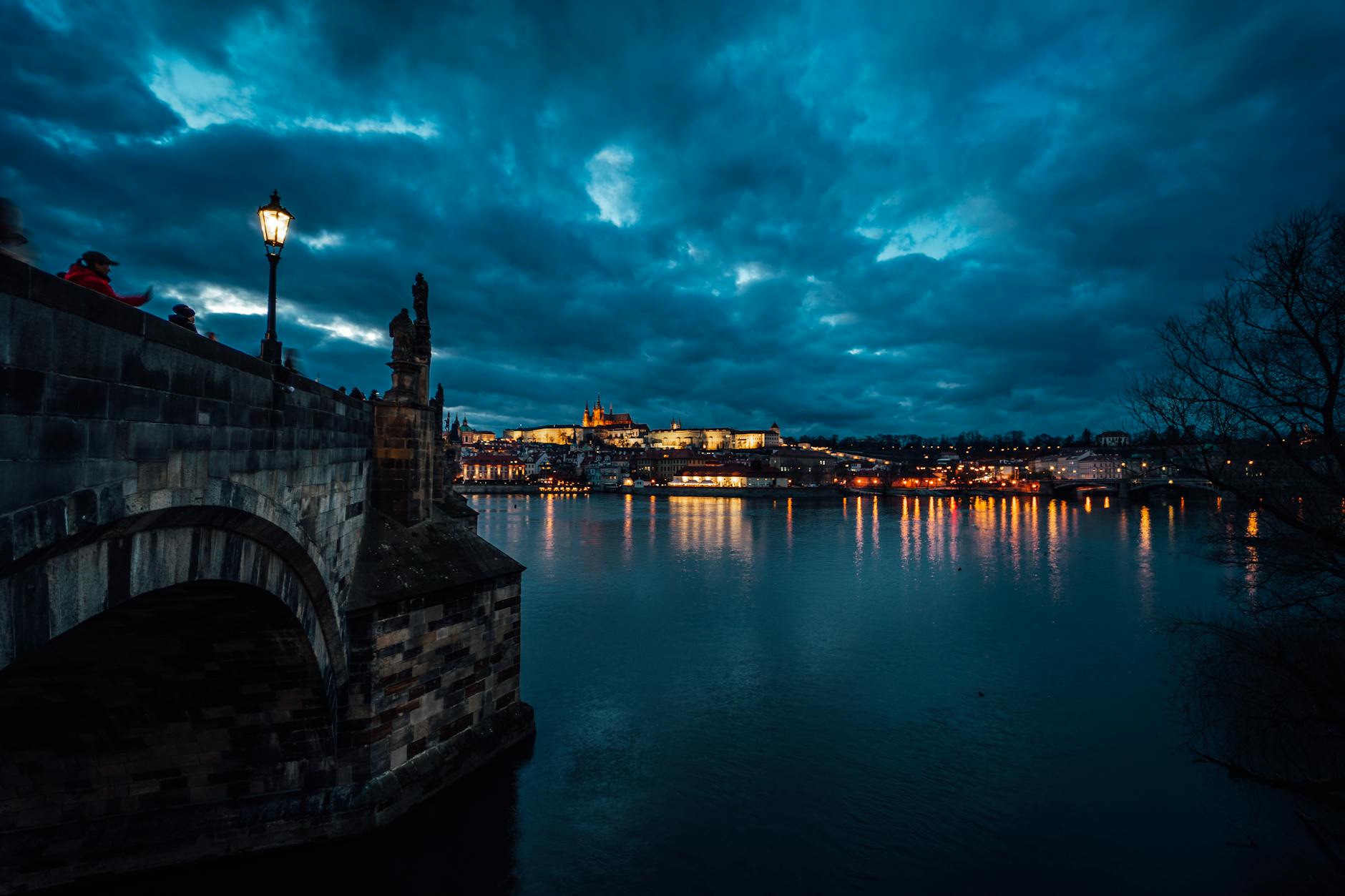
Summer is Prague’s most popular and most demanding season simultaneously. Temperatures reach 26°C in July, daylight extends to 16 hours, and tourist numbers surge — the Charles Bridge becomes a shoulder-to-shoulder shuffle, Old Town Square a marketplace, hotel prices at their yearly high.
The practical solution isn’t to avoid summer — it’s to restructure your tour schedule. A 6:30 AM start in July means experiencing Prague alone in golden morning light, completing core sightseeing by 10:00 AM before heat and crowds peak, then visiting air-conditioned museums in the afternoon. The Jewish Museum, National Museum, and Prague Castle interiors become your 2:00–4:00 PM companions while tourists queue outside in the sun.
Rain patterns shift in summer: 11–12 rain days per month, but typically violent 15-minute afternoon thunderstorms that clear quickly and cool the city by 5–8°C. Morning-focused itineraries avoid the majority of precipitation. Late August (after the 20th) brings noticeable crowd reduction as many European tourists shift to beaches.
Summer packing: moisture-wicking shirts, wide-brimmed hat (essential July), SPF 50+ sunscreen, ventilated walking shoes, lightweight rain jacket. Water bottle is mandatory.
Autumn in Prague: September and October
September is the month serious travelers choose. Temperatures drop to 20°C, summer humidity vanishes, rain days decrease to 9, and afternoon light transforms Prague’s architecture into something photographers specifically time their visits for. Golden hour extends to 6:45–7:40 PM — Charles Bridge, Prague Castle, and Old Town Square catch warm directional light impossible at summer’s flat midday brightness.
Tourist density drops noticeably by mid-September. The Charles Bridge, shoulder-to-shoulder in July, becomes genuinely walkable again. October brings autumn foliage at 14°C — parks shift from green to gold and orange. Rain is moderate (9 days, typically manageable drizzle) and weather stable. Photographers favor September; romantic travelers favor October.
Book a Private Half-Day Prague Tour — Perfect for October MorningsWinter in Prague: November, December, January and February
Winter touring requires adjusted expectations, not avoidance. Temperatures drop below comfortable walking range (7°C in November, −2°C in January lows), daylight contracts to 8.5 hours in December (sunset at 4:00 PM), and rain days remain at 11 per month. However, winter Prague delivers something summer never can: genuine solitude. January and February feature perhaps 5% of summer’s tourist density on the Charles Bridge.
The practical outdoor touring limit is 2–3 hours. Start by 8:30 AM to maximize daylight; plan indoor elements (museums, synagogues, covered market passages) for midday. December brings Christmas markets to Old Town Square and Wenceslas Square. February is winter’s underrated month — clear cold air sharpens distant views and architecture photography reaches its annual best.
What to Pack for Prague: Season-by-Season Summary
Prague’s cobblestone streets require comfortable, broken-in walking shoes every season. Waterproof boots matter most November–March (icy cobblestones, sleet). A wide-brimmed hat is essential June–August. A quality wind-resistant rain jacket belongs in the bag every month — Prague’s weather shifts within hours regardless of season. For further context on what Prague offers year-round, the Czech tourism board’s city guide provides a useful overview to plan around seasonal highlights.
What to Pack for Prague — Month-by-Month Guide
Prague's weather creates specific packing challenges that generic "European travel" advice doesn't capture. The continental climate means summer afternoons and spring mornings feel like different seasons — and the historic city centre creates its own microclimate (the stone streets radiate heat in summer and channel wind in winter).
January–February: Base layer + mid-layer + warm coat + hat + gloves. Temperature regularly drops to −5°C at night; wind chill in the old town can feel 10°C colder. Waterproof boots with insulation. The castle complex and Charles Bridge are exposed — add a scarf that covers your face for prolonged outdoor time.
March–April: Layering is essential. A day that starts at 5°C can reach 18°C by afternoon. Pack a packable down jacket or fleece you can remove, a light rain layer (spring showers are short but heavy), and shoes that can handle wet cobblestones. April is also when the Easter Market transforms the Old Town Square — budget extra time if you visit during Easter week.
May–June: Light layers plus a thin rain jacket. Evenings can be cool (10–15°C) even after warm days. May is particularly beautiful — cherry blossoms in the castle gardens, rapeseed fields yellow on the drive out to day trips. Pack comfortable walking shoes: Prague's old town is entirely cobblestone and pavement, not manicured tourist paths.
July–August: T-shirts and light trousers. A packable sun hat is useful at the castle and in the Vltava river areas. Afternoon thunderstorms are common (usually 30–60 minutes, heavy). Keep a rain layer in your bag — you'll need it twice a week. Sunscreen for the castle hill and open-air sites.
September–October: Similar to spring: layering, rain jacket, comfortable closed-toe shoes. October brings the most dramatic light for photography — lower sun angle, golden leaves in the castle gardens and Stromovka park. Evening temperatures drop fast after October 1.
November–December: Winter coat, insulated footwear, gloves. December brings the Christmas Markets (Old Town Square, Náměstí Míru, Náměstí Republiky) — all outdoor, all requiring 2–3 hours standing in cold air. A thermos of hot wine from a market stall is not optional.
How Prague Weather Affects Crowd Levels
The least-crowded months at Prague's major sites are January, February, November, and early December. Charles Bridge at 7am in January has fewer people than the same bridge at noon in July — and the low winter light creates extraordinary atmospheric photographs. The trade-off is 3–4°C temperatures and shorter daylight (sunset at 4pm in December).
The busiest tourist period runs from mid-April through mid-October. Within this window, weekdays are noticeably less crowded than weekends (particularly Saturday, when Prague Castle queues can exceed 60 minutes at the ticket office). July is peak crowd month globally; June and September offer the same weather with 20–30% fewer visitors at the major sites.
Practical tip for timing Prague Castle: The castle complex opens at 6am and closes at 10pm (gardens). The castle buildings (Old Royal Palace, St Vitus Cathedral, Golden Lane) open at 9am. Arriving at the main gate at 8:30am lets you walk the courtyards and gardens before the tours arrive and queue for building entry just as it opens — saving 30–45 minutes.
Frequently Asked Questions
What is the best month to visit Prague for good weather?
Is Prague weather good in May?
How hot does Prague get in summer?
Can you visit Prague in winter?
What is Prague weather like in April?
When does it snow in Prague?
Related articles
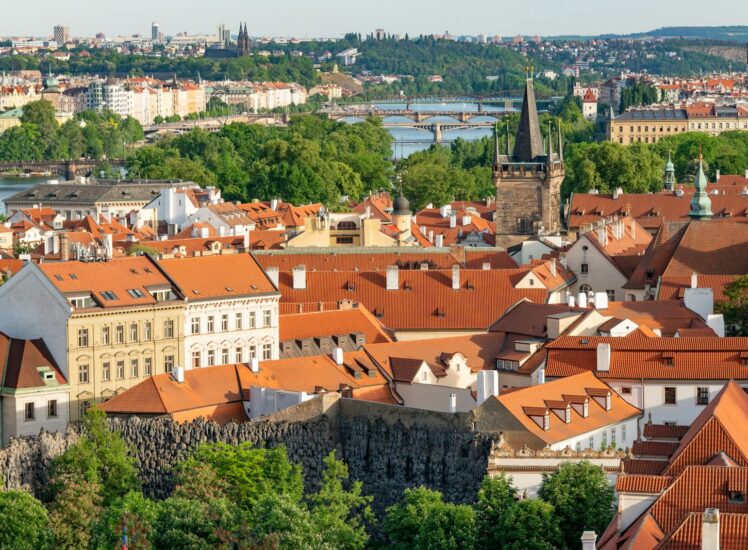
American Airlines Prague Philadelphia 2026: Your Complete Prague Guide
American Airlines now flies direct from Philadelphia to Prague from May 21, 2026. Complete guide: private tours, top sights, and best day trips from Prague.
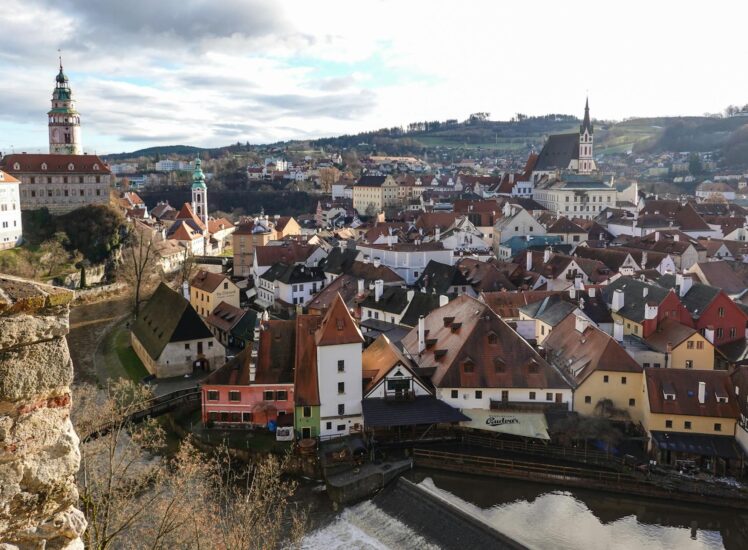
All 16 Czech Republic UNESCO World Heritage Sites — Complete Guide
Complete guide to all 16 Czech Republic UNESCO World Heritage Sites — day trips from Prague, travel times, and honest advice on which are worth visiting.
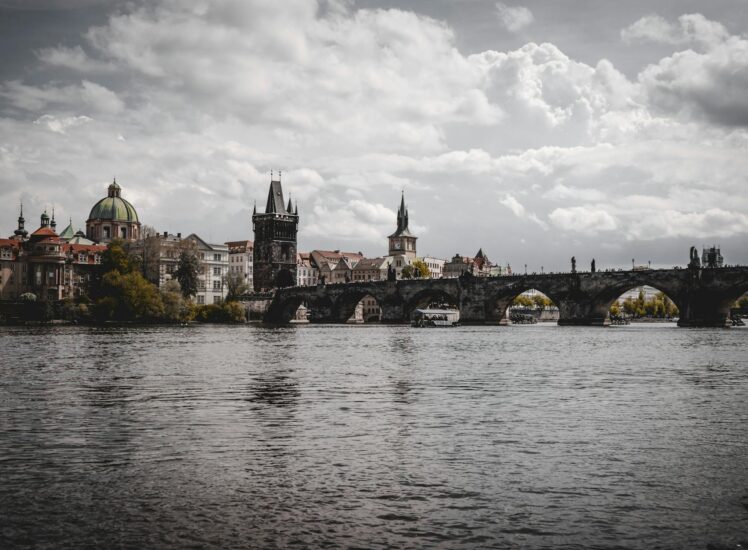
Prague Tours from the USA 2026: Complete Guide for American Travelers
Planning your first Prague tour from the USA? This guide covers what American travelers need: flight tips, tour options, seasonal advice, and what to expect from a private guide.
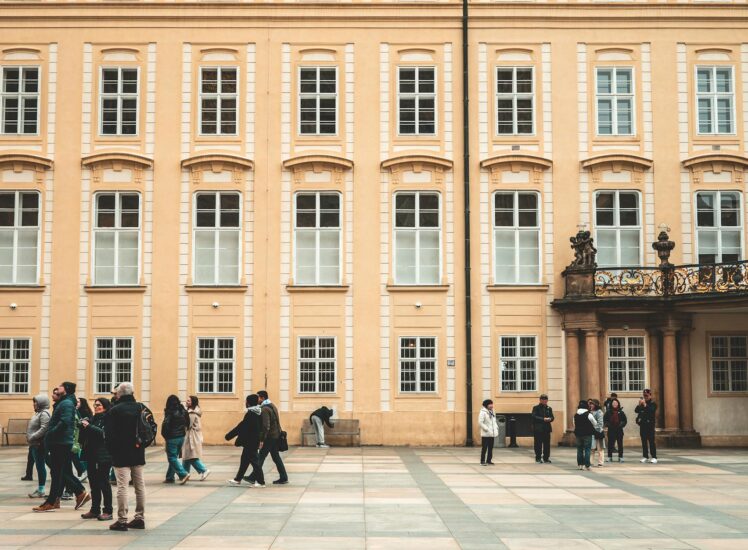
Prague City Tour 2026: Private Half-Day & Full-Day Options
Private Prague city tour in 2026: half-day or full-day options with an expert local guide. Discover Old Town, Charles Bridge and Prague Castle at your own pace.
Prague Private Tour 2026: Book a Local Expert Guide
Book a private tour of Prague with a local expert guide. Flexible itineraries, half-day or full-day, tailored to your group. Explore Prague your way in 2026.
Prague with Kids: Family-Friendly Guide 2026
Planning Prague with kids? Local guide tips on best family attractions by age group, logistics, day trips and what to skip. Private tours from €86/person.
Prague Multi-Day Tours: Private 2–5 Day Itineraries & Experiences (2026)
Plan your Prague trip with a private guide over 2 to 5 days. City highlights, hidden neighbourhoods, and Bohemian day trips built around your schedule.
Dan Brown’s Prague: Secret of Secrets Locations — Literary Walk Guide
Walk 8 Prague locations from Dan Brown's The Secret of Secrets — Klementinum, Charles Bridge, Jewish Quarter and more. Literary walking guide.
