

⏱ Reading time: 9 minutes
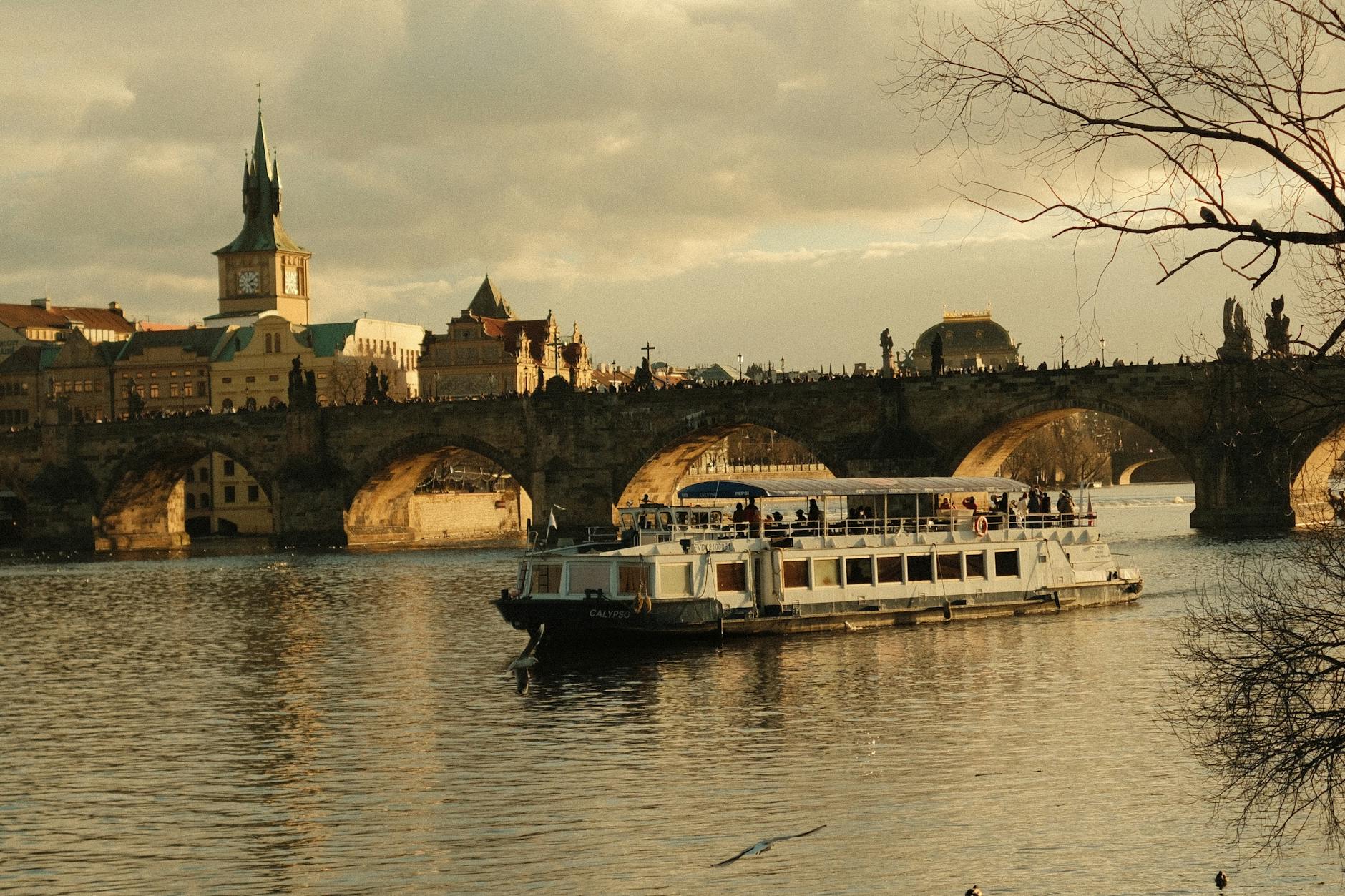
Here’s something I noticed after running these transfers for several seasons. Cruise lines sell shore excursions to Prague as a coach tour — 50 people on a bus, three rest stops, 90 minutes at the Castle, lunch at a tourist trap near Wenceslas Square, then the rush back. Passengers tell me the same thing afterward: they saw Prague through a window.
The alternative — train from Hamburg Hauptbahnhof — sounds independent but eats your day. Hamburg to Prague by rail takes around 6.5 hours via Berlin with a connection. By the time you’ve boarded, transferred, and walked the last kilometre to your tour pickup, half your port call is gone. A private transfer changes that arithmetic: door-to-door from your gangway to a waiting guide at Prague Castle, and back.
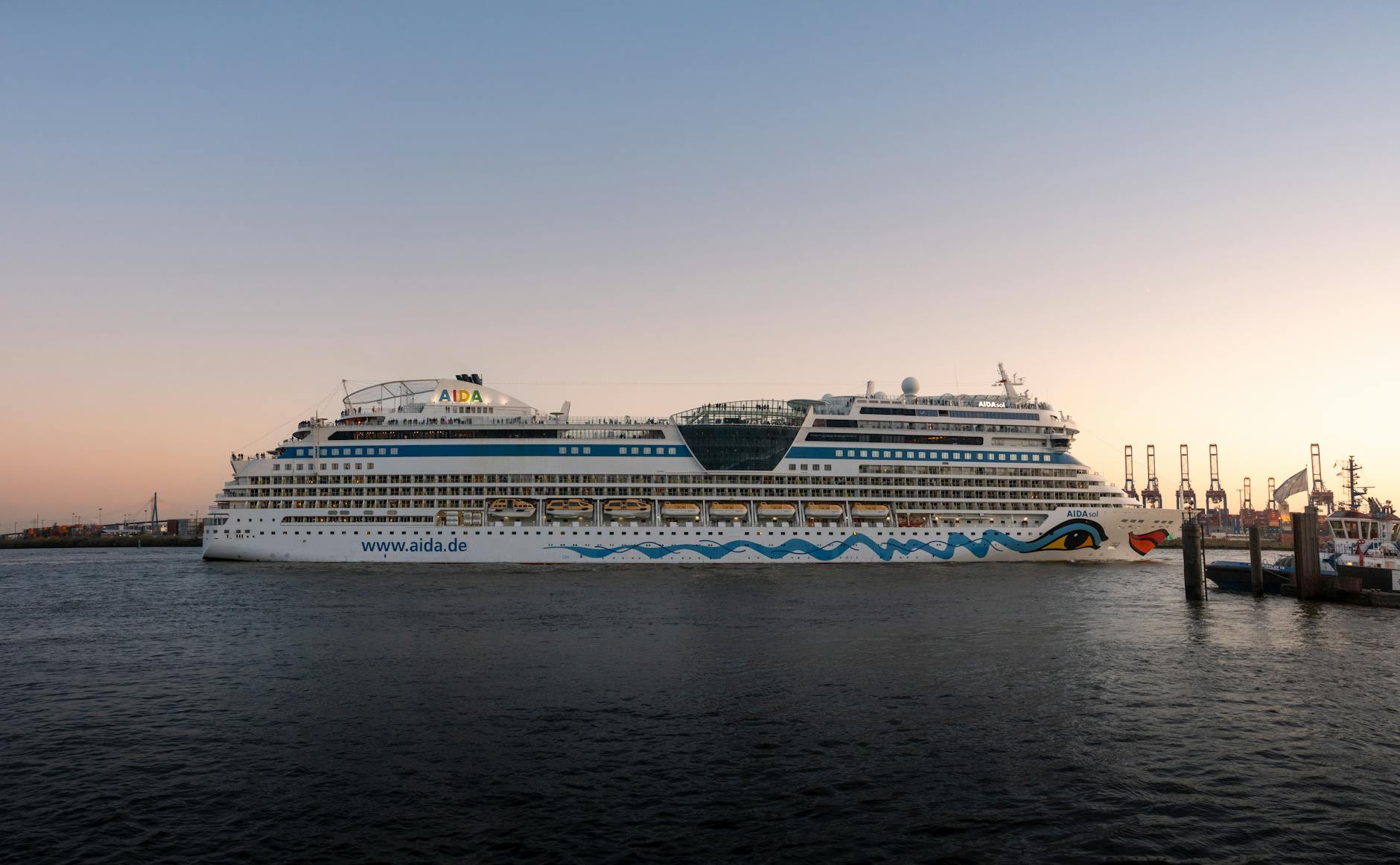
We’ve run this route for AIDA passengers from HafenCity, MSC passengers from Steinwerder, and Costa passengers from Bremerhaven. Here’s the complete guide to planning it well.
Book Your Prague Cruise-Day Tour →Quick Facts — Prague from Your Cruise Ship
- Pickup ports: Hamburg (HafenCity, Steinwerder, Altona) & Bremerhaven (Columbus Cruise Center)
- Drive time: Hamburg → Prague 5.5 hrs (470 km); Bremerhaven adds 1 hour via Bremen
- Port call minimum: 12 hours recommended; 14+ hours for a comfortable full day
- Group size: 1–3 pax (Premium Car / Mercedes E-Class), 1–7 pax (Premium Van / Mercedes V-Class)
- Price from: €1,180 per group (Hamburg return, 6 hours in Prague, guide included)
- Booking horizon: 6–10 weeks ahead — May through September fills first every season
Why Private Is the Only Way to See Prague from a Cruise Port
The coach tour problem is structural: with 40 to 60 passengers, you’re managing group timing, not your own. Prague Castle queues in summer run 30 to 45 minutes, and the bus has to leave whether you’ve finished Golden Lane or not. A private guide at Prague Castle sets a pace that fits your group — slower at what interests you, faster through what doesn’t.
The train is independent, but Hamburg to Prague by rail via Berlin requires a connection and takes the better part of 7 hours each way. On a 12-hour port call, that’s mathematically impossible. Even the fastest route leaves less than 2 hours in the city. A private transfer gets you there in 5.5 hours non-stop with one coffee break near Dresden, gives you a full 6 hours in Prague, and returns you to the gangway with margin.
Your Cruise-Day Schedule: Hour by Hour
This is the actual schedule for an AIDA call at HafenCity Hamburg with port departure at 23:00 — a comfortable, full Prague day:
| Time | Activity |
|---|---|
| 06:30 | Driver at cruise terminal — your name on a sign |
| 06:45 | Departure from Hamburg — A24 → A14 → D8 toward Czech border |
| 09:30 | Coffee stop near Dresden (15 min) |
| 12:15 | Arrival in Prague at Castle entrance |
| 12:30 | Meet your private guide at the Castle gate |
| 12:45–14:30 | Prague Castle: St. Vitus Cathedral, Old Royal Palace, Golden Lane |
| 14:30–16:30 | Charles Bridge, Old Town Square, Astronomical Clock |
| 16:30 | Czech lunch at Lokál Dlouhá or U Modré Kachničky |
| 17:30 | Return to vehicle, departure from Prague |
| 23:15 | Back at HafenCity — in time for gangway closure |
For Bremerhaven calls, add one hour each direction (06:00 pickup, 23:45 return). Most MSC and Costa lines offer 14+ hour calls there, which gives you comfortable margin. If your port call is shorter — say 10 hours — we run a tighter itinerary focusing on Prague Castle exterior, Charles Bridge, and Old Town Square, and we’ll be honest about the tradeoff before you book.
Car or Van? Choosing Your Vehicle for the Hamburg–Prague Run
For couples and small families, the Premium Car (Mercedes-Benz E-Class) is the right choice — leather seats, climate control, plenty of legroom, and a driver who knows the autobahn well enough to make 5.5 hours feel shorter than it sounds. For groups of four or more, the Premium Van (Mercedes-Benz V-Class) is noticeably more comfortable: captain seats with armrests, sliding doors for easy boarding with cruise backpacks, space for shopping bags or rolling luggage.
Both vehicles include Wi-Fi, USB charging at every seat, and bottled water. Child seats are available on request at no extra charge. One thing worth knowing: there is no border to navigate. Both Germany and the Czech Republic are fully within the Schengen Area since 2007. You cross from Bad Schandau to Hřensko without stopping. The only sign of the border is German green motorway signs giving way to Czech blue ones.
What Makes Prague Worth the 11-Hour Round Trip
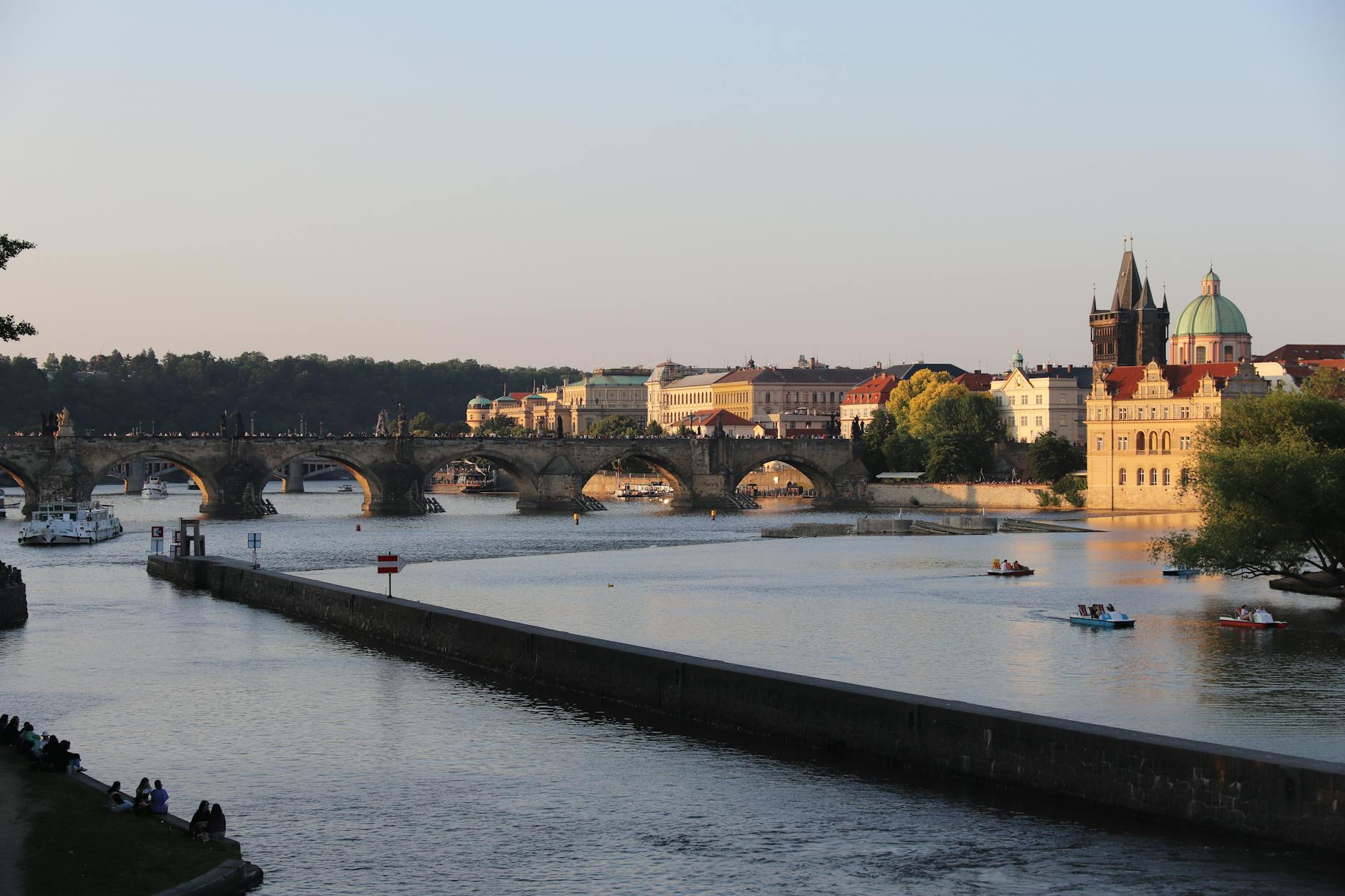
Prague Castle is the largest ancient castle complex in the world — larger than the Vatican, larger than Windsor. From the Castle terrace, you see 700 years of Central European architecture laid out in a single panorama. Old Town Square has Gothic, Baroque, and Art Nouveau buildings within 200 metres of each other. You walk five minutes and the architectural century changes.
Prague’s historic core is compact enough to cover properly in 6 hours without a vehicle. Most German Hanseatic cities spread their heritage across harbour districts; Prague concentrates it into a walkable area that rewards focused day-trip attention. Czech beer and lunch culture are the unexpected highlight for most cruise passengers: slow-roasted beef svíčková with bread dumplings, half a litre of Pilsner Urquell from original brewery taps — genuinely different from anything in Hamburg’s Speicherstadt.
2026 Pricing for Cruise-Ship Prague Tours
Cruise-day private tours are priced per group, not per person:
| Itinerary | Premium Car (1–3 pax) | Premium Van (1–7 pax) |
|---|---|---|
| Hamburg → Prague (6 hrs) → return | €1,180 | €1,420 |
| Bremerhaven → Prague (6 hrs) → return | €1,340 | €1,580 |
| Hamburg → Prague (8 hrs) → return | €1,290 | €1,530 |
| Bremerhaven → Prague (8 hrs) → return | €1,450 | €1,690 |
All rates include vehicle, fuel, German and Czech motorway tolls, driver, English-speaking private guide for Prague, bottled water, and city parking. Not included: lunch (€20–30/person), Castle entrance tickets (€10–14/adult), and travel insurance.
Check Availability for Your Cruise Date →When to Book — and Why Timing Matters
Hamburg and Bremerhaven together see 30+ cruise calls per month from mid-May through early September. On weekends with multiple ships in port, every private transfer in the region is booked. The solution is simple: reserve as soon as your cruise confirmation arrives — typically 6–12 months before departure. Shoulder season (April, late September, October) usually has open availability 2–3 weeks ahead. Off-season is wide open and typically 10–15% cheaper. Prague in December, with its Christmas markets on Old Town Square, is genuinely worth considering for winter cruise calls.
Prague as a Cruise Port — How the Logistics Work
Prague is not a sea port — it's a river city 400 km from the nearest coast. So when cruise ships list "Prague" as a port, they're almost always docking at one of three actual ports and offering Prague as an included or optional excursion:
Hamburg (Germany): Northern European cruises often include Prague as an overland excursion from Hamburg — approximately 4.5 hours by coach or train. A long day, but Prague sees consistent cruise passenger traffic this way from lines operating Baltic/North Sea itineraries.
Rostock/Warnemünde (Germany): Some cruise lines dock here and offer Prague day excursions (3.5–4 hours one way). Less common than Hamburg-based excursions but does occur on repositioning voyages.
Danube river cruises: The most logistically elegant option. River cruise ships on the Danube dock in Bratislava or Vienna — Prague is then a 3–4 hour drive and fits perfectly as a 1–2 day included stop on Central European Danube itineraries. Several major river cruise operators (Viking, AmaWaterways, Scenic) include Prague overnights.
Direct Prague visits: Some cruise itineraries schedule Prague as an "inland" destination requiring a dedicated overnight — passengers fly or take the train from a coastal port, spend 2 nights in Prague, then rejoin the ship. This gives the fullest experience and is increasingly common on premium and luxury lines.
Why Private Tours Work Best for Cruise Passengers
Cruise passengers face specific constraints that make private tours more valuable than standard group tours:
Fixed departure time. Missing the ship is a genuine risk — and cruise ship excursions are notoriously cautious about timing, often returning to the port 2–3 hours early to create buffer. Private guides who work with cruise passengers understand exactly what "back by 4pm" means and plan accordingly. Group tours run by local operators may not appreciate the same urgency.
Condensed itinerary. With 6–8 hours in Prague, you can't do everything. A knowledgeable private guide helps you prioritise: if you have one morning, do the castle district (Prague Castle, St Vitus Cathedral, Golden Lane) rather than trying to spread across the city. If you have a full day, the combination of castle morning + old town afternoon + river walk is the proven formula.
Hotel pickup is irrelevant — pier pickup matters. Cruise passengers aren't at hotels. Private guides who work with cruise traffic meet passengers at the agreed coach drop-off point, the ship's tender pier, or directly at the Danube riverbank. Confirm the specific meeting protocol when booking.
Language needs vary widely. Cruise ships carry passengers from dozens of nationalities. Prague's private guide market offers certified guides in 15+ languages — far more variety than group tour operators who typically run English/German/French only. If your group has specific language requirements, a private tour is the only reliable way to accommodate them.
Prague in 6 Hours — the Essential Circuit
For cruise passengers with a single day (6–8 hours on-site after transfer time), this circuit covers Prague's highest-value experiences in the right order:
9:00–12:30 — Castle District: Prague Castle entry (St Vitus Cathedral interior, Old Royal Palace, Golden Lane) — 2.5 hours. The castle is at its least crowded before 10am and becomes very busy by noon. Start here while the light is good and crowds are manageable.
12:30–13:30 — Malá Strana to Charles Bridge: Walk down from the castle through Malá Strana (Lesser Town) neighbourhood, cross Charles Bridge. This 45-minute walk passes 18th-century baroque palaces and offers the most famous Prague view (bridge + castle reflected in the Vltava).
13:30–14:30 — Lunch in Old Town: The old town restaurants within sight of the Charles Bridge are tourist-priced — walk two streets back for better value. Recommended area: Betlémské náměstí or Husova street.
14:30–16:30 — Old Town Square and Jewish Quarter: Old Town Square (Astronomical Clock, Týn Church, Old Town Hall tower) — 45 minutes. Jewish Quarter (Josefov) — exterior walk past the six synagogues takes 30 minutes; interior entry for Old Jewish Cemetery and Pinkas Synagogue takes 90 minutes if time permits.
What to Expect at the Czech Border (Spoiler: Very Little)
There is no border checkpoint. Since 2007, Germany and the Czech Republic are both part of the Schengen Area. You cross from Bad Schandau (Saxony) to Hřensko (North Bohemia) without stopping. Your phone may briefly switch carriers; the road surface gets slightly rougher. That’s the entirety of the border experience. For more on Prague and what to see, explore our complete guide to day trips from Prague.
Frequently Asked Questions
How much does a private tour from Hamburg cruise port to Prague cost?
A round-trip private tour from Hamburg (HafenCity, Steinwerder, or Altona) to Prague with 6 hours in the city costs from €1,180 per group in a Premium Car (1–3 passengers) or €1,420 in a Premium Van (1–7 passengers). Price includes vehicle, fuel, German and Czech tolls, driver, English-speaking guide, water, and parking. Lunch and Castle tickets are separate.
How long does it take to drive from Hamburg to Prague?
The drive is approximately 5.5 hours each way, 470 km via the A24, A14, and D8 motorways. With a 15-minute coffee stop near Dresden, allow 6 hours total each direction. From Bremerhaven, add 1 hour for the Bremen detour.
Is Prague worth a day trip from a cruise port?
For a 12-hour-plus port call, yes. You will see Prague Castle, Charles Bridge, Old Town Square, and have a Czech lunch — all genuinely different from the Hanseatic cities on a Northern European cruise. For port calls under 10 hours, we recommend Hamburg’s own cultural sites instead.
Do I need a passport for the Hamburg to Prague day trip?
No. Both Germany and the Czech Republic are in the Schengen Area with no border controls. Bring valid photo ID as a precaution, but you won’t be stopped at the border.
What happens if my cruise ship leaves Hamburg earlier than scheduled?
Your driver tracks your ship’s status in real time and adjusts the return schedule accordingly. We can shave 30 minutes off the return by shortening rest stops. The contract guarantees your return by your stated cruise gangway time.
Can I add extra stops on the way back to Hamburg?
Yes. Common requests include a 30-minute stop in Dresden Altstadt, a photo stop at Bohemian Switzerland sandstone formations near the border, or coffee in Karlovy Vary on longer itineraries. We confirm timing fits your cruise window before booking.
Do you provide tours from other Hamburg cruise terminals?
We pick up from HafenCity Cruise Centre (Strandkai), Steinwerder Cruise Centre, and Altona Cruise Centre. For Bremerhaven, we use Columbus Cruise Center. We track terminal assignments and adjust pickup if your terminal changes.
What's included in the Prague portion with a private guide?
Six hours in Prague typically covers: Prague Castle including St. Vitus Cathedral, Old Royal Palace, and Golden Lane (90 minutes), Charles Bridge crossing, Malá Strana, Old Town Square with the Astronomical Clock, and the Jewish Quarter exterior. Your guide adapts the route to your interests on the day.
Related articles
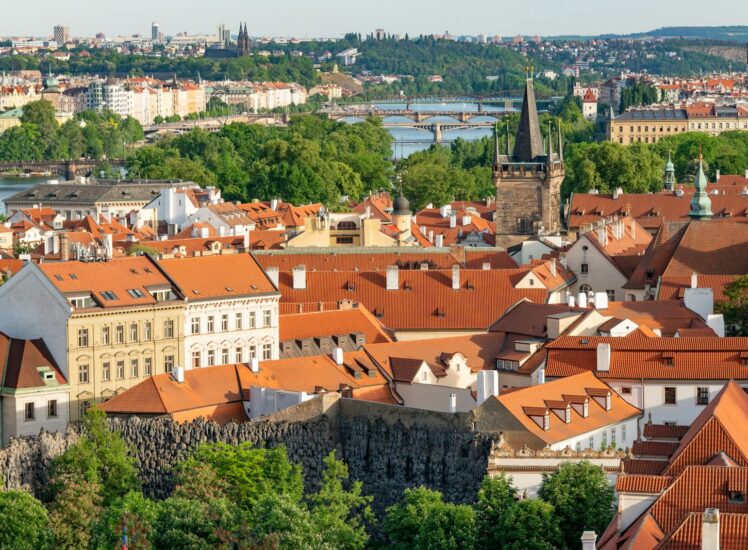
American Airlines Prague Philadelphia 2026: Your Complete Prague Guide
American Airlines now flies direct from Philadelphia to Prague from May 21, 2026. Complete guide: private tours, top sights, and best day trips from Prague.
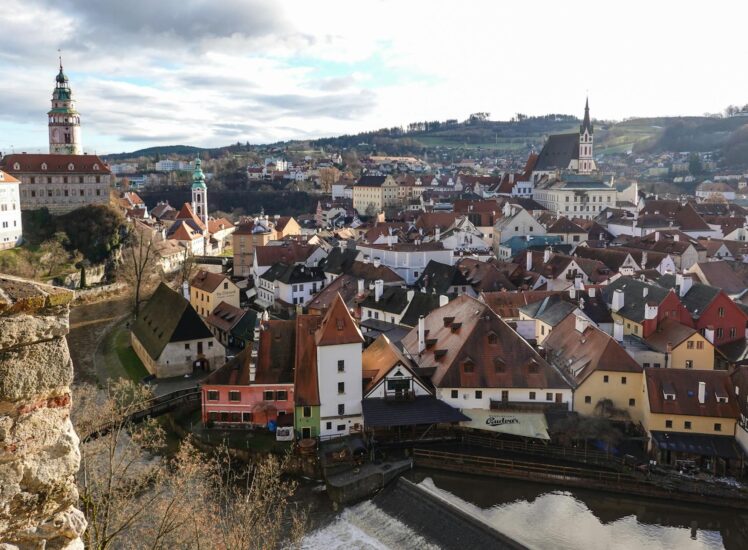
All 16 Czech Republic UNESCO World Heritage Sites — Complete Guide
Complete guide to all 16 Czech Republic UNESCO World Heritage Sites — day trips from Prague, travel times, and honest advice on which are worth visiting.
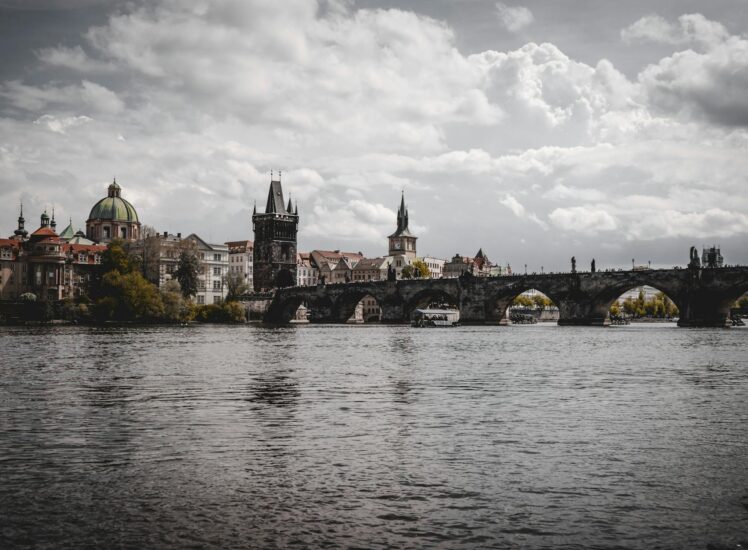
Prague Tours from the USA 2026: Complete Guide for American Travelers
Planning your first Prague tour from the USA? This guide covers what American travelers need: flight tips, tour options, seasonal advice, and what to expect from a private guide.

Prague City Tour 2026: Private Half-Day & Full-Day Options
Private Prague city tour in 2026: half-day or full-day options with an expert local guide. Discover Old Town, Charles Bridge and Prague Castle at your own pace.
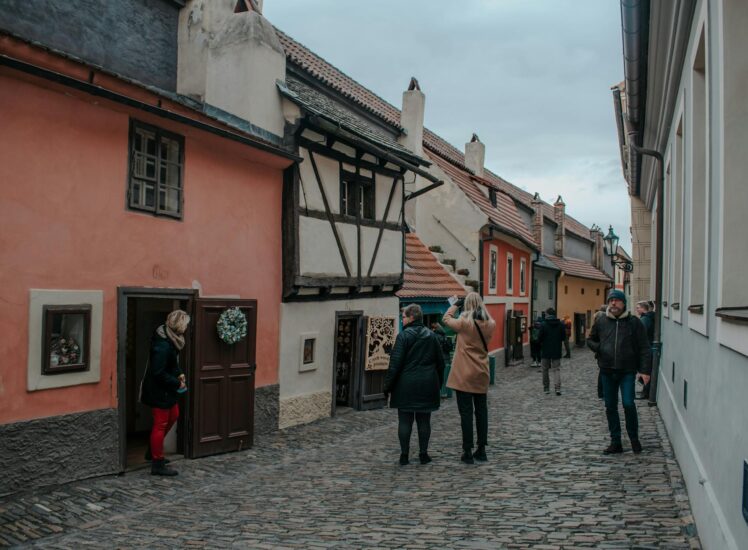
Prague Private Tour 2026: Book a Local Expert Guide
Book a private tour of Prague with a local expert guide. Flexible itineraries, half-day or full-day, tailored to your group. Explore Prague your way in 2026.

Prague with Kids: Family-Friendly Guide 2026
Planning Prague with kids? Local guide tips on best family attractions by age group, logistics, day trips and what to skip. Private tours from €86/person.
Prague Multi-Day Tours: Private 2–5 Day Itineraries & Experiences (2026)
Plan your Prague trip with a private guide over 2 to 5 days. City highlights, hidden neighbourhoods, and Bohemian day trips built around your schedule.
Dan Brown’s Prague: Secret of Secrets Locations — Literary Walk Guide
Walk 8 Prague locations from Dan Brown's The Secret of Secrets — Klementinum, Charles Bridge, Jewish Quarter and more. Literary walking guide.
