
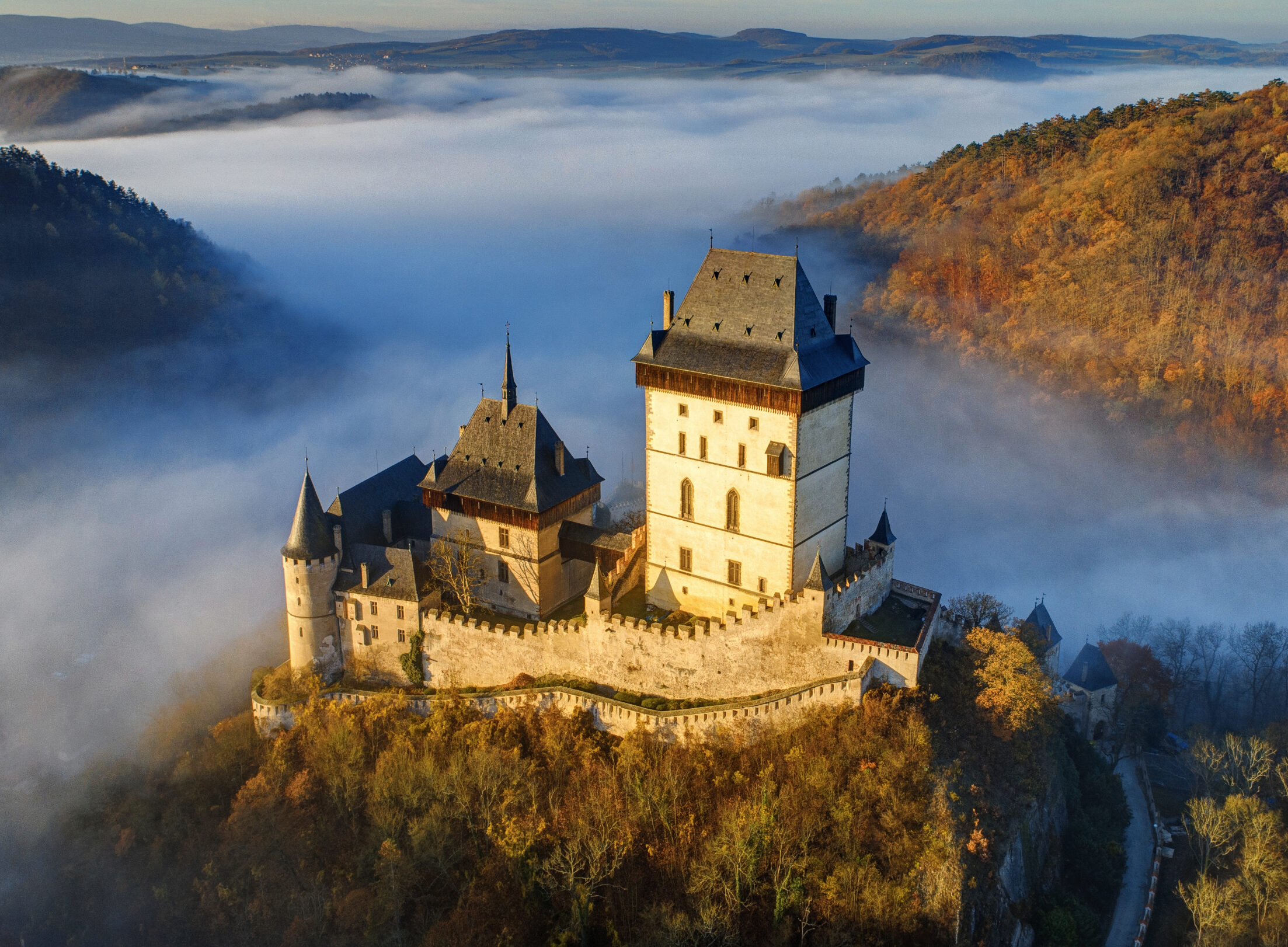
Aerial view of Karlštejn Castle rising through spring morning mist – one of Bohemia’s most scenic day trip destinations
Fast facts (Czechia transport)
- Best for city-to-city: trains (especially direct routes)
- Best for budget: buses
- Best for flexibility: private transfers
- Best for groups/families: one vehicle vs multiple tickets + connections
- Peak crowds: late spring and summer (plan earlier)
If you’re visiting Czechia, the right transport choice depends less on distance and more on your priorities: time, comfort, flexibility, and how many stops you want. This guide gives you a practical ‘what to use when’ framework, plus the most useful routes from Prague.
In This Guide
The 30-second answer: what to use when
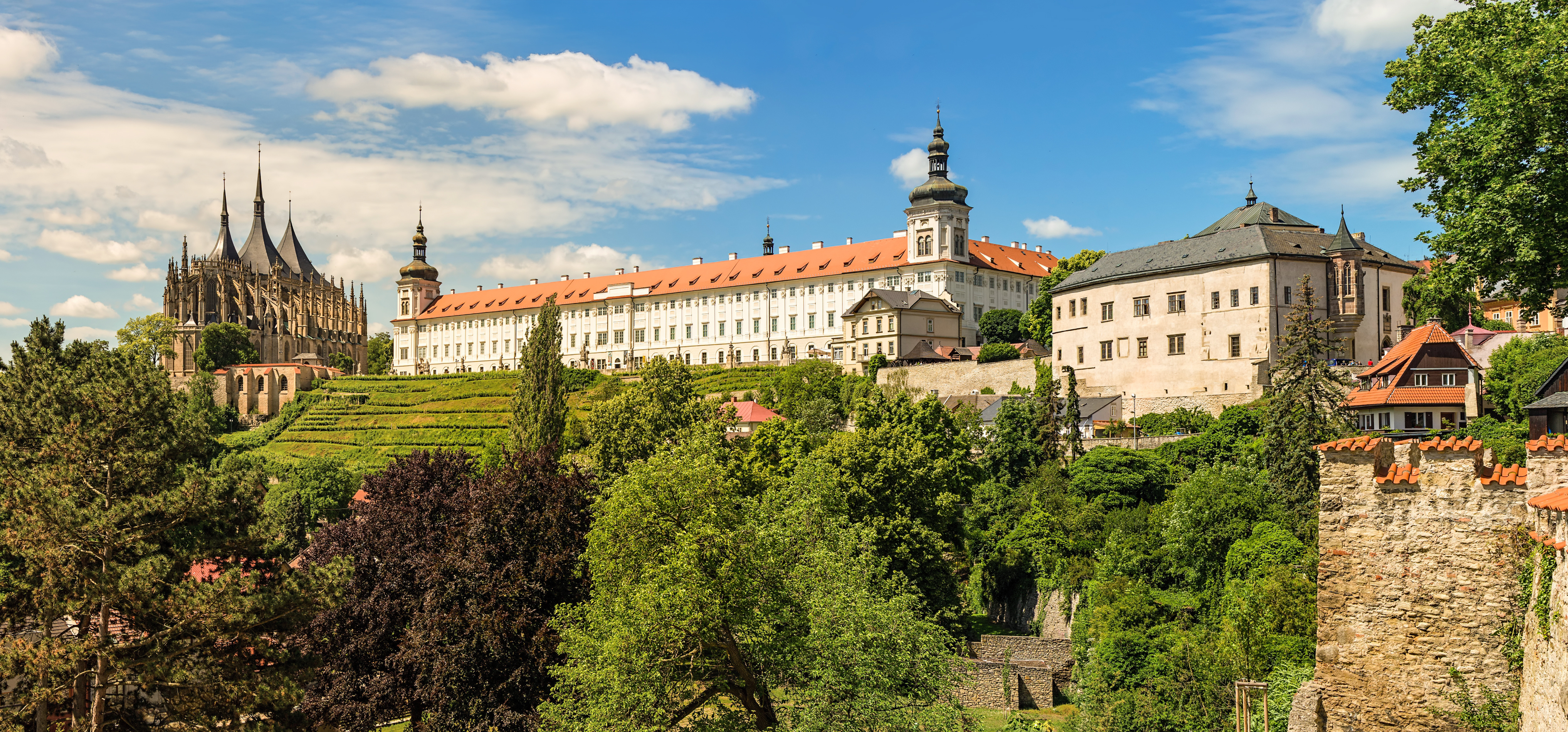
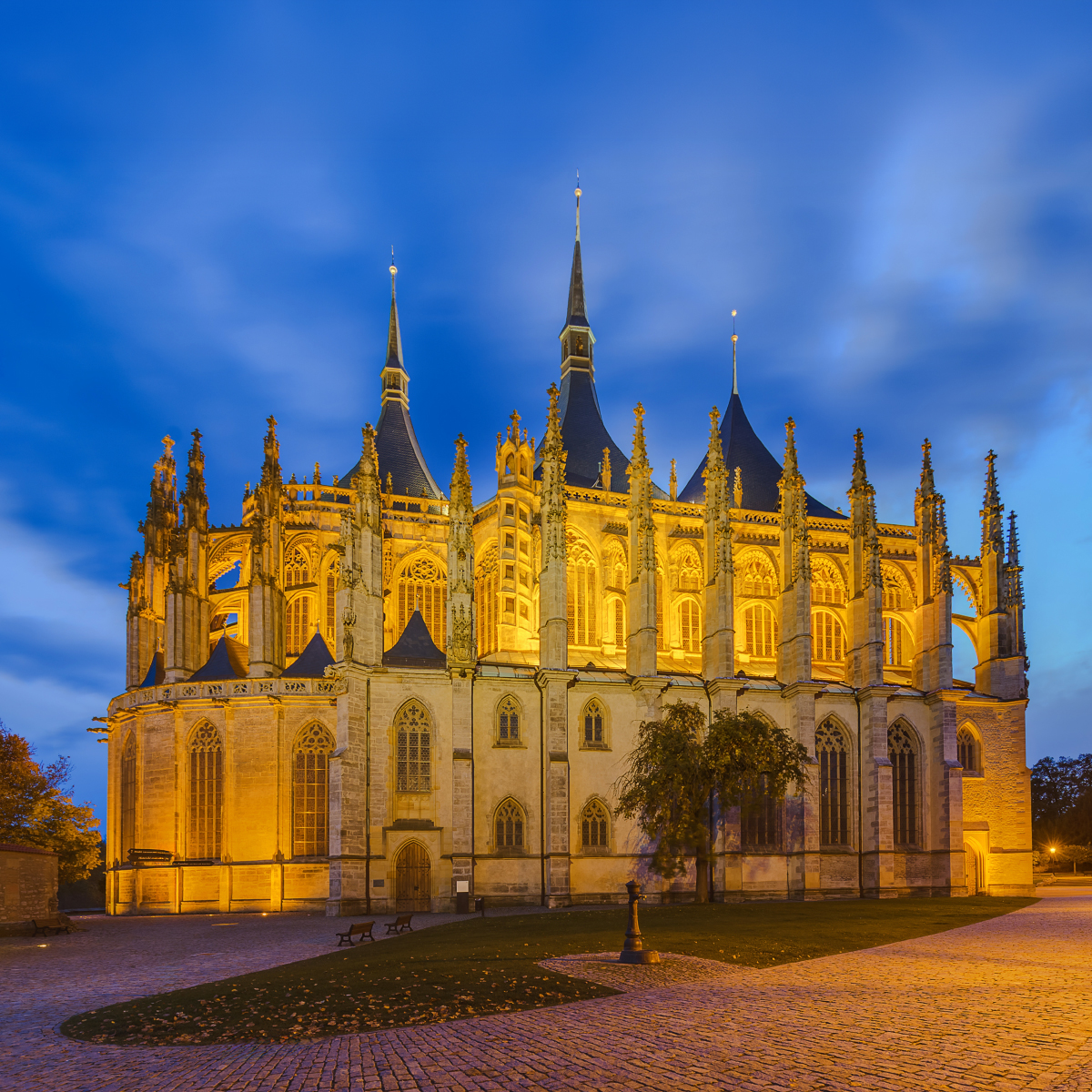
St. Barbara’s Cathedral, Jesuit College and vineyards in Kutná Hora during a Private Tours Czech private tour from Prague
- Use trains for straightforward city-to-city trips when the route is direct.
- Use buses when you want the cheapest simple option.
- Use a private transfer when timing matters, you want stopovers, or you’re traveling as a group.
- Avoid ‘random’ taxis at tourist hotspots; use reputable booking channels.
Trains in Czechia: great when direct, annoying when not
Trains can be comfortable and efficient, especially on major corridors. The friction usually comes from connections: platform changes, stairs, waiting time, and the risk of missed links. If you have luggage, kids, or a strict schedule, minimize transfers.
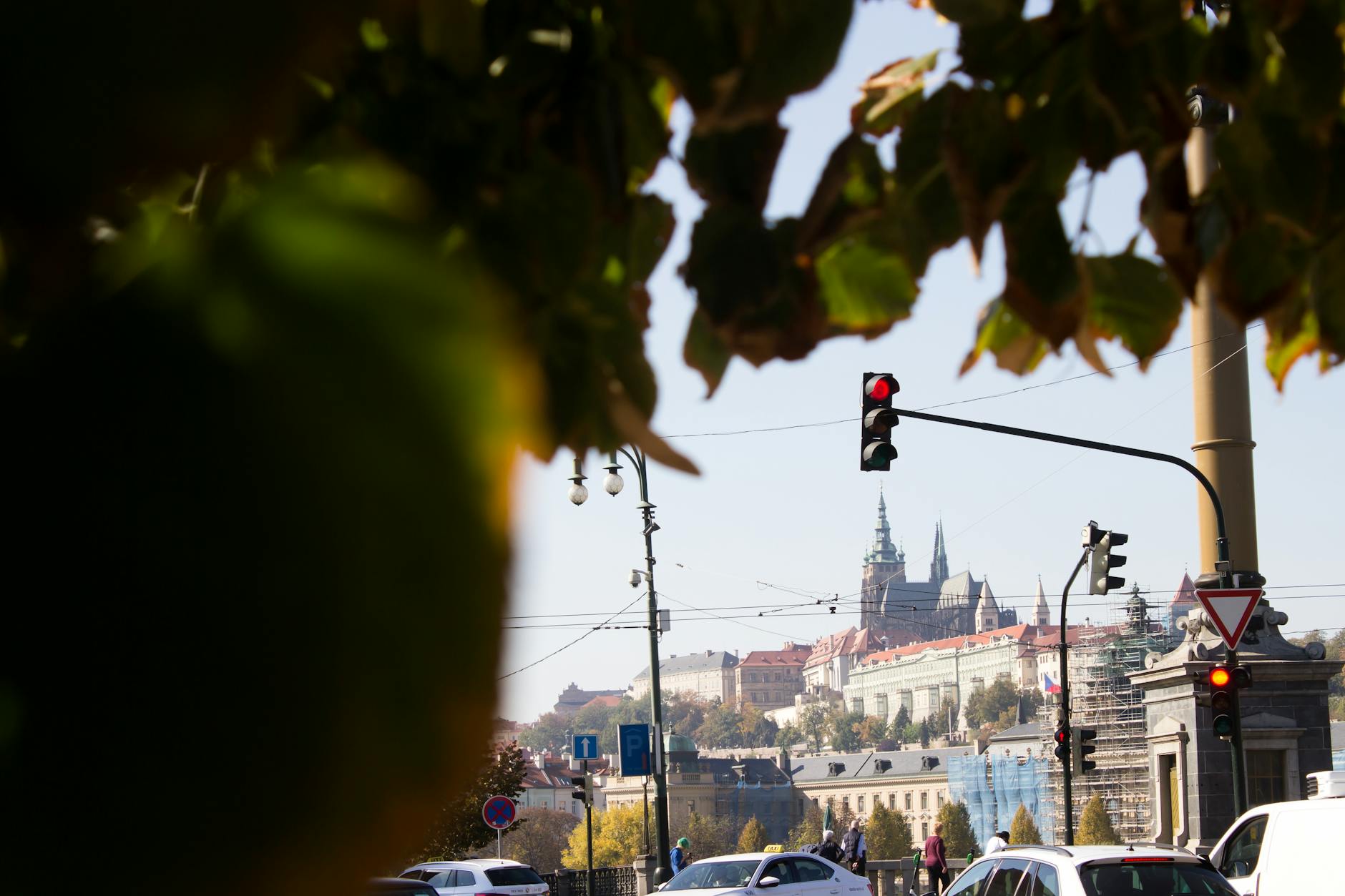
A typical Czech countryside road — castles, rolling hills, and barely any traffic
Buses: often the best budget tool
Buses can be simple and frequent on popular routes. They’re a good fit for solo travelers and light luggage. The trade-off is flexibility (fixed schedule) and less control over stops.
Taxis and ride-hailing: avoid stress with a few rules
Use clearly priced services, confirm the route if needed, and prioritize booking channels that provide receipts. If you care about predictable pricing and pickup, pre-arranged options reduce the risk of surprises.
Private transfers: when they are worth it
A private transfer makes the most sense when: (1) you’re a family or group, (2) you want door-to-door comfort, (3) you’re adding stopovers, (4) you’re short on time, or (5) you want a driver who can handle timing and logistics. It turns travel into a controlled, calm part of the trip.
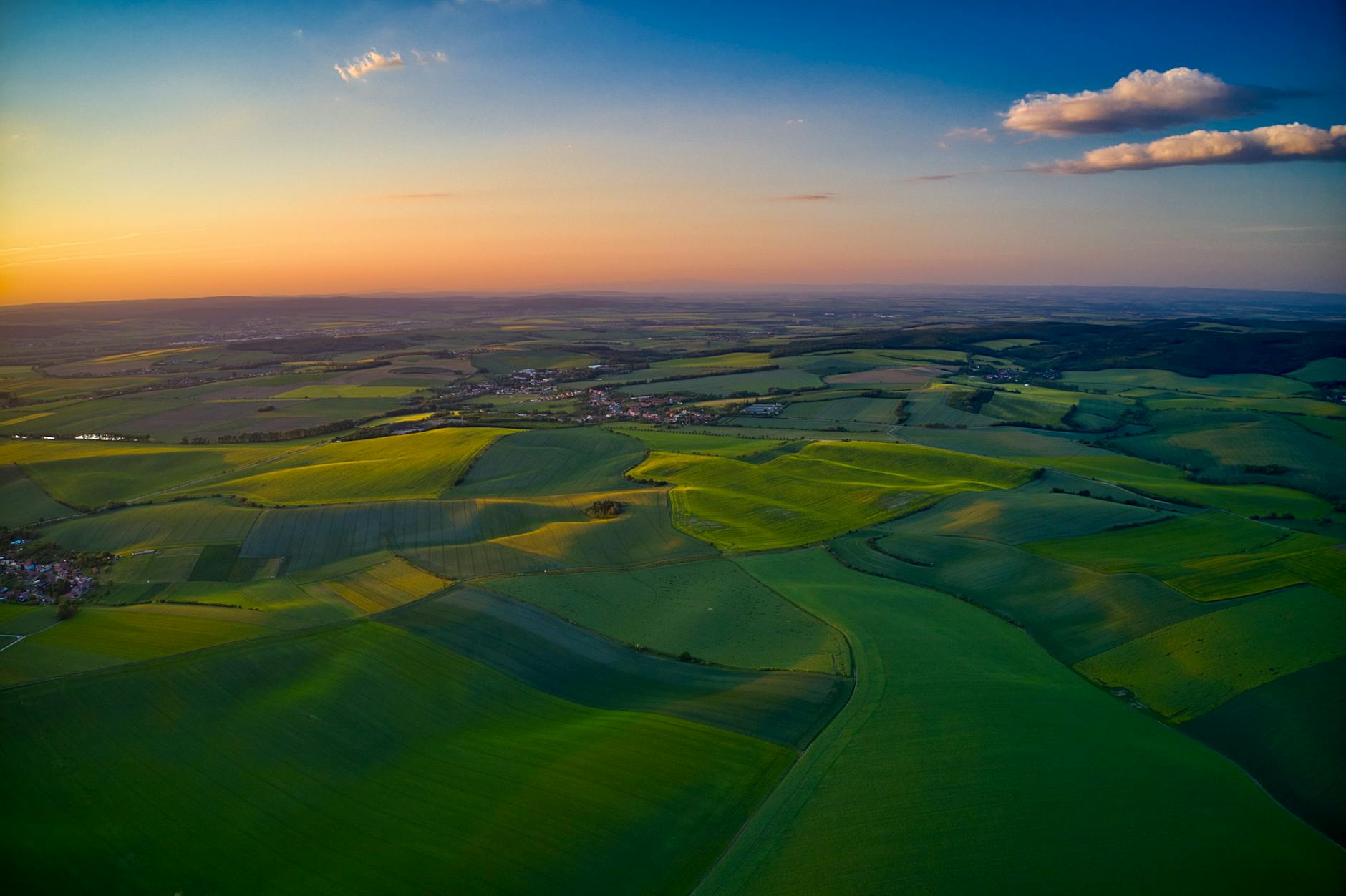
The rolling Moravian countryside — best enjoyed from a private transfer
Top routes from Prague (use these as building blocks)
Below are routes tourists book most often. Each route can be done as a direct transfer or upgraded into a day trip with stopovers.
Frequently Asked Questions
Do I need a car to travel around Czechia?
For most popular destinations, no. Czech trains and buses connect Prague to major towns efficiently. However, a car gives you more flexibility for countryside areas like Bohemian Switzerland or the Moravian wine region where public transport is less frequent.
How reliable are Czech trains?
Czech Railways (ČD) and RegioJet are generally reliable on main routes. Delays of 5–10 minutes are common on regional lines. For intercity travel, RegioJet often offers better comfort and on-time performance than ČD.
Is it worth hiring a private driver in Czechia?
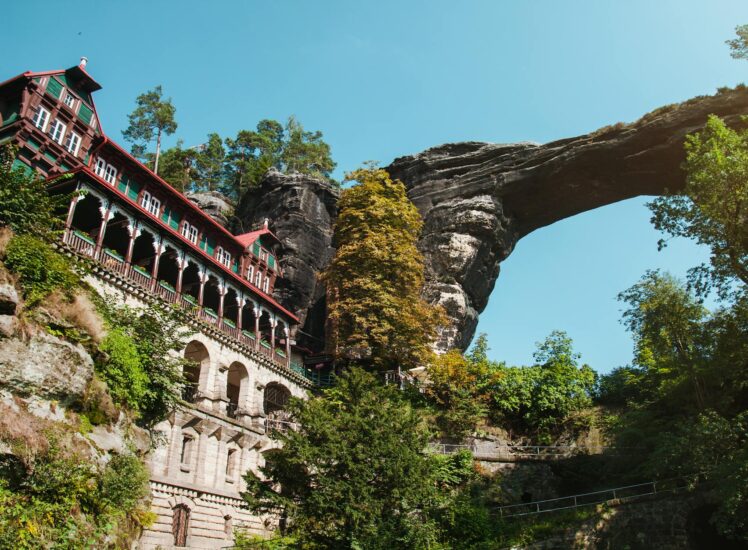
For day trips with a group of 2–4 people, a private driver often works out similar in cost to train tickets while offering door-to-door service, flexible timing, and the ability to stop at places public transport does not reach. It is especially worthwhile for Bohemian Switzerland and Karlštejn.
Most Popular Routes from Prague (Itinerary Builder)
You might also enjoy
- Best Day Trips from Prague 2026 — complete guide to all destinations
- Things to Do in Prague — 25 best tips including hidden gems
- 3 Days in Prague — perfect day-by-day itinerary
Frequently asked questions
Often yes, but day trips become smoother when you reduce transfers and waiting. For groups, private transport can be comparable in total effort and time saved.
When you value comfort and timing, or when you want stopovers and door-to-door pickup.
Yes, but start early and plan buffers. Door-to-door transport is the most predictable for these routes.