⏱ Reading time: 11 minutes
Yes, Prague is one of the safest capital cities in Europe. The Czech Republic consistently ranks in the top 10 safest countries globally according to the Global Peace Index, and Prague’s crime rates — particularly violent crime — are significantly lower than London, Paris, Rome, or Barcelona. This isn’t marketing speak. It’s the reality that makes Prague a genuinely secure destination for every type of traveler.
But here’s what makes this guide different: it’s written by people who work with tourists every single day and know not just the statistics, but the practical truth of navigating Prague safely. We’ll cover the real scams you might encounter, the neighborhoods to understand, and the insider tips that locals use. Because knowing Prague is safe is one thing — knowing why and how it stays safe for tourists is what actually matters.
Plan your custom Prague trip with a local guide
Prague Safety by the Numbers
Prague’s safety record is backed by concrete data. The Czech Republic ranks 7th globally in the Global Peace Index 2025, and Prague specifically has a crime index of 32 per 100,000 residents annually — comparable to Vienna and significantly lower than Paris (48) or Barcelona (62). Violent crime against tourists is exceptionally rare: fewer than 0.1% of incidents reported to Prague police involve foreign visitors as victims.
Street crime such as pickpocketing and bag snatching occurs primarily in peak tourist zones during high season, but it’s predictable and avoidable. Robbery at gunpoint or sexual assault? These are statistical anomalies in Prague, unlike many European capitals. The Czech police (Policie ČR) maintains visible presence in tourist areas, and response times are quick.
| City | Crime Index (per 100k) | Violent Crime Risk | Pickpocket Risk |
|---|---|---|---|
| Prague | 32 | Very Low | Moderate (tourist zones) |
| Vienna | 30 | Very Low | Low |
| Berlin | 42 | Low | Moderate |
| Paris | 48 | Low–Moderate | High |
| Barcelona | 62 | Low | Very High |
| Rome | 55 | Low | High |
Key stat for context: Prague had approximately 1.2 million international visitors in 2025 and 45 reported serious crimes against tourists. That’s 0.004% of visitors experiencing any serious incident. Your odds of encountering crime in Prague are genuinely lower than in most European capitals.
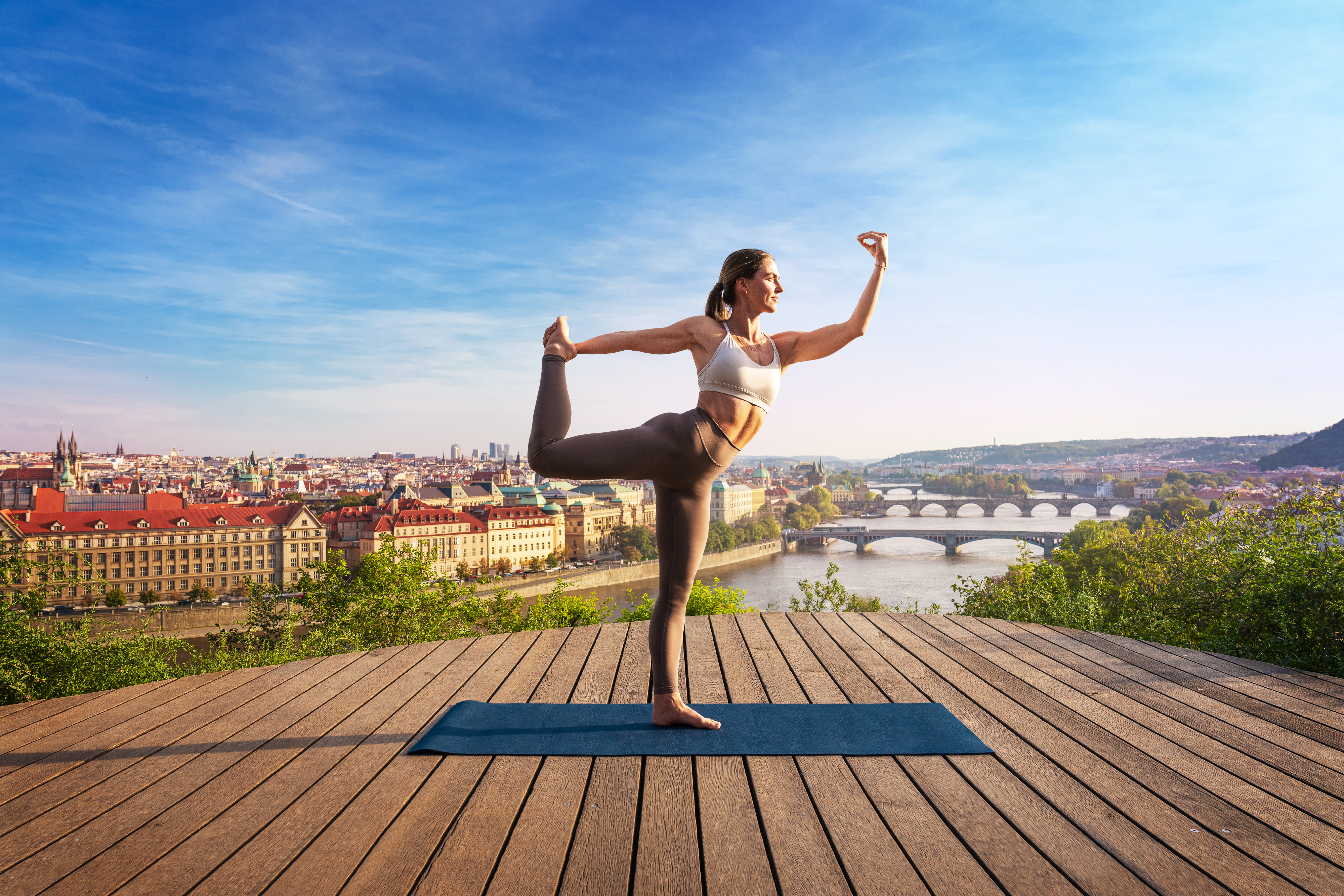
A warm summer day in Prague — relaxed atmosphere and friendly streets
The Most Common Tourist Scams in Prague (and How to Avoid Them)
Taxi Scams
The most frequent complaint from tourists isn’t crime — it’s overpriced taxis. Hailing a cab from the street near tourist attractions like Wenceslas Square or Charles Bridge can result in 300+ CZK for a 10-minute ride that should cost 150 CZK. Solution: Use Bolt or Liftago apps exclusively. Both show prices upfront in English, charge fairly, and driver ratings keep quality high. Every local in Prague uses these apps. Street taxis near tourist spots are a tourist tax, not technically a scam, but why pay it?
Exchange Office Rip-offs
Currency exchange offices on Old Town Square and near major attractions charge 10–15% hidden commissions by manipulating the exchange rate they display versus what they actually give you. A 1,000 CZK exchange that should net €40 gives you €34. Solution: Use your debit or credit card everywhere — Czechs pay by card for a €2 coffee. If you need cash, use ATMs marked „Bankomat“ at bank buildings, never standalone machines at tourist spots. Prague is nearly cashless; you barely need Czech crowns unless you’re buying from street vendors.
Restaurant Overcharging
Some restaurants in tourist areas don’t display clear prices and add surprise charges — bread baskets „pre-charged,“ beverages at inflated prices, hidden service charges. Solution: Check the printed menu before ordering. Ask about service charges upfront („Is service included?“). Avoid restaurants with picture menus or no visible prices. Local neighborhoods like Vinohrady, Žižkov, and Malá Strana side streets have better-value restaurants with transparent pricing.
„Friendly“ Strangers and ATM „Help“
The classic approach: someone offers to help you withdraw money at an ATM, then distracts you or guides your card entry. This is genuinely rare in Prague but happens occasionally near central ATMs. Solution: Use ATMs inside banks or bank vestibules (most major banks have 24/7 entry). Shield the keypad when entering your PIN. If someone approaches offering help, politely decline — no legitimate reason exists for a stranger to assist with an ATM.
Fake Police
Extremely uncommon, but historically someone might claim to be police and ask to inspect your wallet for counterfeit bills. Solution: Legitimate Czech police identify themselves with an official ID badge. You can ask to see it. They never casually ask to inspect wallets on the street. If uncertain, ask them to escort you to the nearest police station — any hesitation means it’s not legitimate.
Insider tip from locals: Czechs live cashless. Locals joke that paying with cash makes you suspicious. Card payments are safe, trackable, and have fraud protection. The fewer Czech crowns you carry, the less appealing you are to anyone with bad intent.
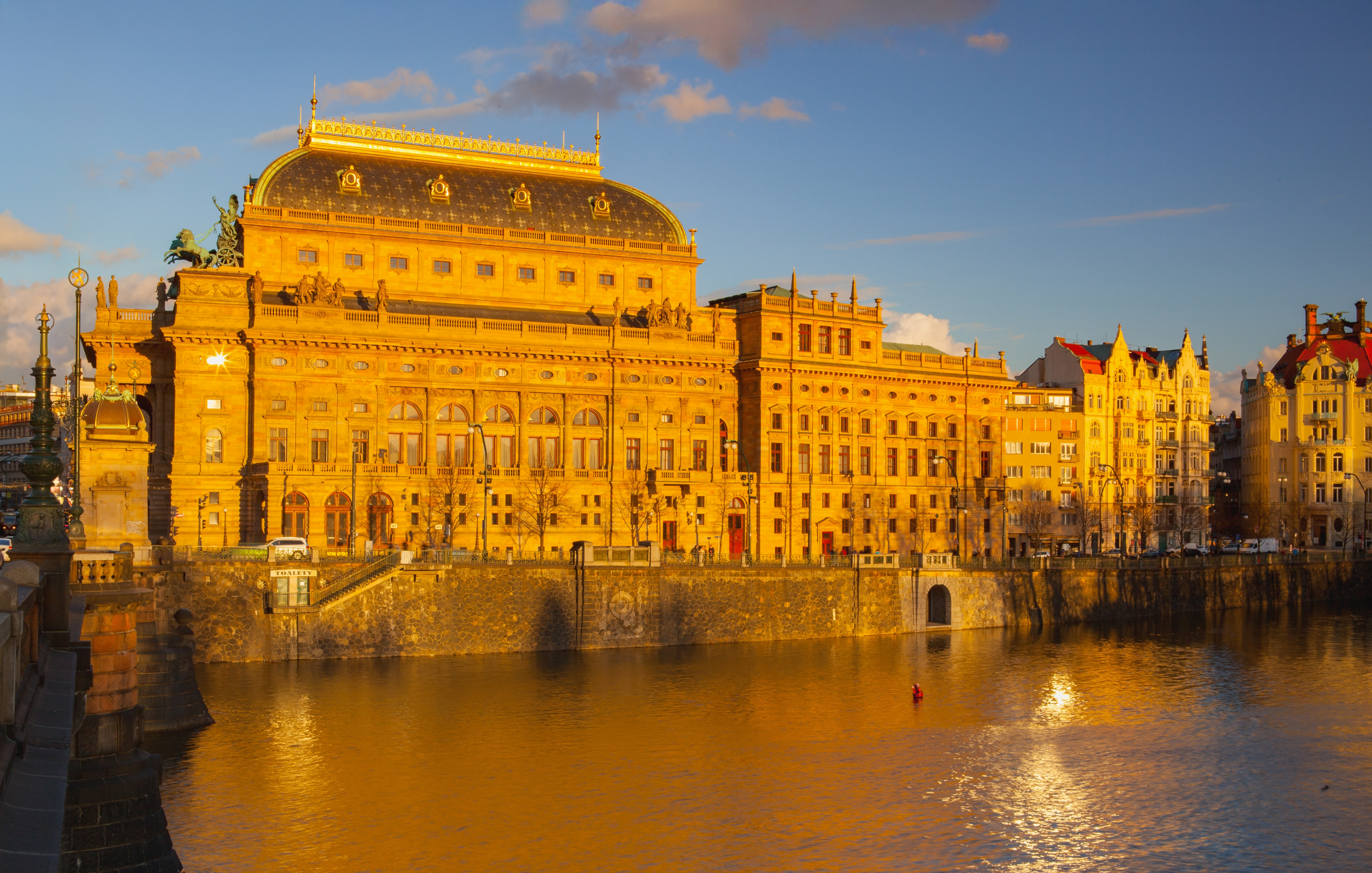
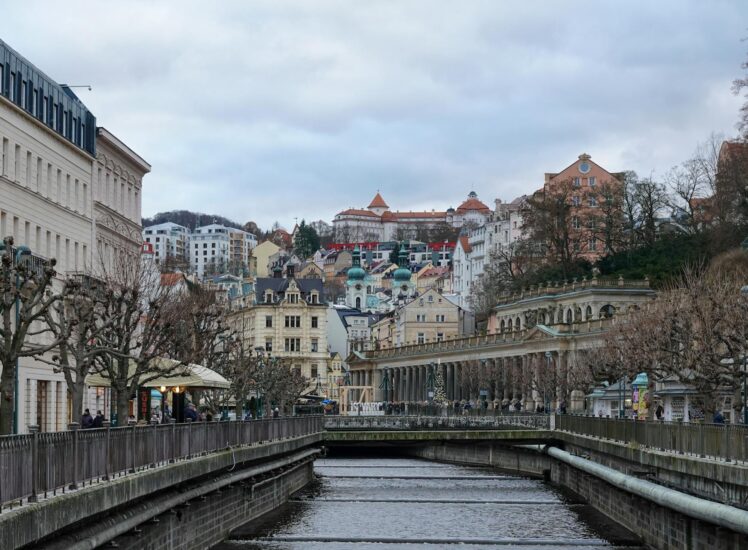
The Vltava River and Prague skyline at golden hour — a beautiful and safe European capital
Is Prague Safe at Night?
Very safe. Prague’s night culture is vibrant and secure across most areas. The city maintains excellent street lighting in all neighborhoods, and police presence increases in entertainment districts after dark.
Areas to Be Aware Of
Wenceslas Square (Václavské náměstí) late at night can feel rowdy due to clusters of drunk tourists, sports fans, and street performers, but it’s crowded — not dangerous. Police monitor it closely. Some clubs on Dlouhá street in Old Town during the 2–4 AM range can get chaotic, but this is overserved tourists, not violent crime.
Public Transport at Night
Prague’s metro closes at midnight, but the city’s night tram system (lines 91, 92, 93, 94) runs every 30 minutes until dawn on major routes. Riding night trams is genuinely safe — they’re full of locals, well-lit, and monitored. Solo walking at night is fine in most neighborhoods: Old Town, Malá Strana, Žižkov, Vinohrady, and Smíchov. Stick to main streets if you’re unfamiliar with an area.
Direct answer: Prague is safer at night than most European capitals. Street lighting is excellent, police presence is visible, and late-night incidents involving tourists are rare. Thousands of people walk, ride trams, and enjoy nightlife every night without incident.
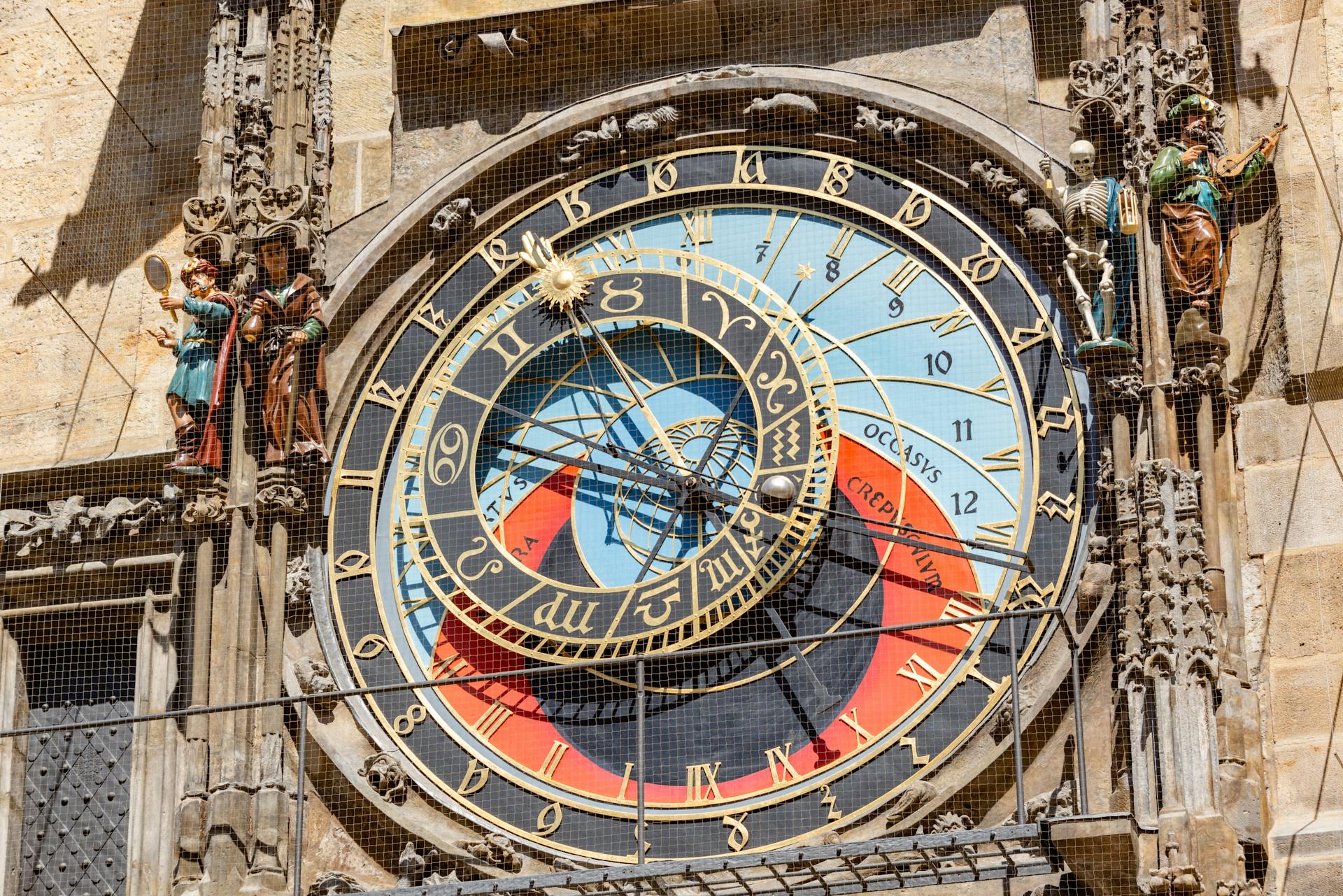
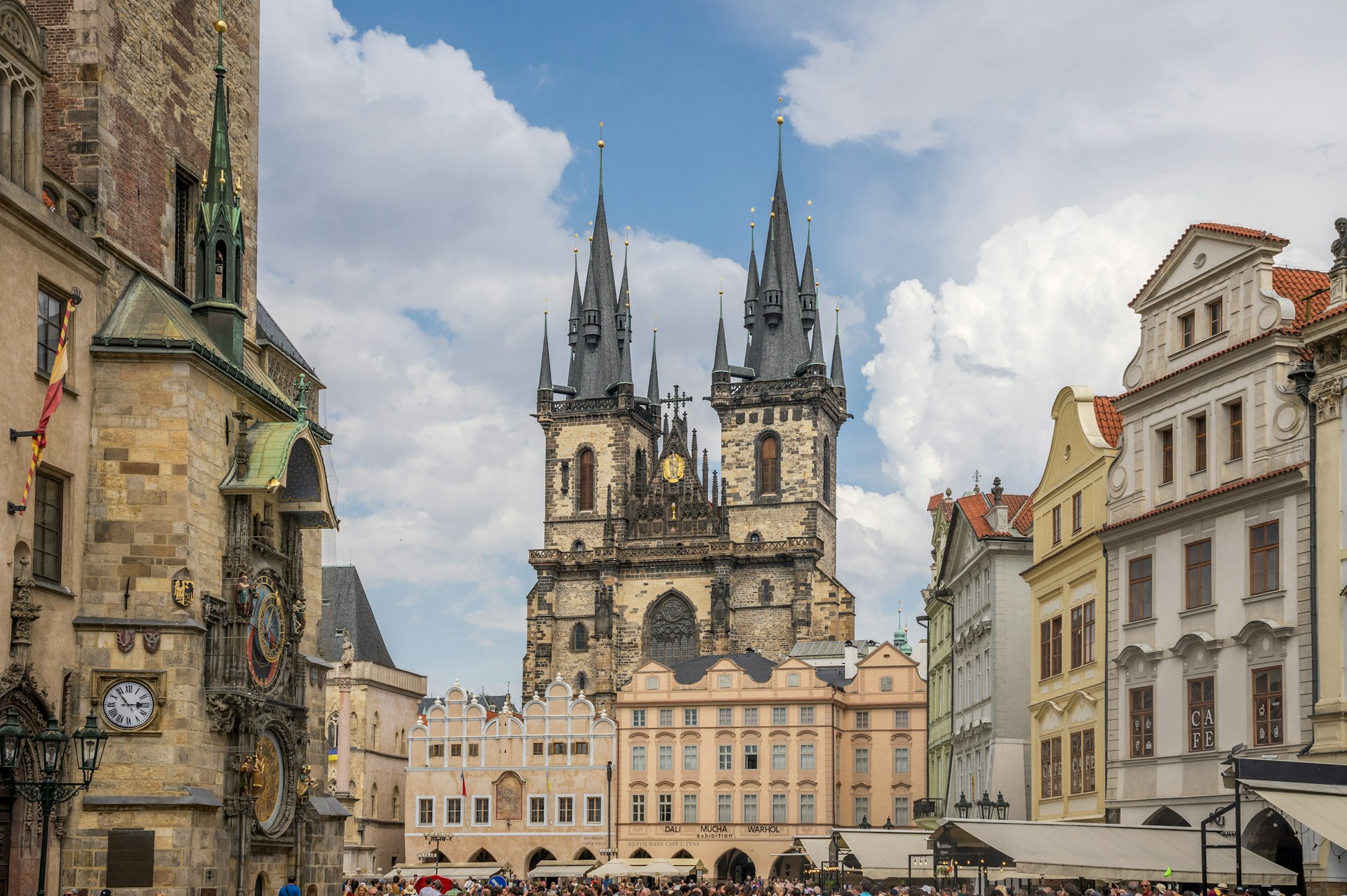
The Astronomical Clock in Old Town Square — one of Prague’s safest and most popular areas.
Neighborhood Safety Guide
Old Town (Staré Město)
Very safe but very crowded, especially around Charles Bridge and Old Town Square. Pickpockets specifically target this area during peak season (May–September), working in teams. Stay aware of your bag and pockets near Charles Bridge. Early morning or late evening visits reduce pickpocket risk because crowds are smaller. Violent crime is near-zero here, and tourist police stations with English-speaking officers are frequent.
Malá Strana (Little Quarter)
One of Prague’s safest neighborhoods. Quieter than Old Town, charming, excellent restaurants and pubs, genuine local vibe. Winding cobblestone streets can feel isolated at 3 AM, but crime is minimal. Locals recommend this area for overnight stays. The main risk here is tripping on uneven cobblestones, not crime.
Vinohrady
One of Prague’s safest and most desirable neighborhoods. An expat favorite with excellent restaurants, green spaces like Riegrovy sady park, and local markets. Feels like a residential neighborhood, not a tourist zone. Very family-friendly. Walking alone at night is completely normal here.
Žižkov
Safe and increasingly trendy. Strong local community, great nightlife, affordable. Žižkov used to have a rougher reputation 15+ years ago, but it’s been revitalized. Good restaurants, breweries, and local pubs. Excellent for evening walks and exploring.
Karlín
Very safe, trendy, increasingly popular with young professionals. Excellent restaurants and galleries, riverfront walks, less crowded than central areas. Good nightlife, low crime, good police presence.
Smíchov
Safe and developing rapidly. Good food scene, less touristy, good transport connections. The western edge near Smíchov train station is less pleasant — areas with visible homelessness and street drinking — but it’s not dangerous, just less appealing. Central Smíchov around Anděl is vibrant and safe.
Honest assessment: There’s no Prague neighborhood where violent crime is expected. The least pleasant area (locally nicknamed „Sherwood,“ west of Smíchov station) has visible poverty and aggressive panhandling, but it’s not a crime zone — it’s simply not worth a tourist’s time. Every neighborhood worth visiting is safe.
Safety Tips for Specific Travelers
Solo Female Travelers
Prague ranks among Europe’s top cities for solo female travel. Women travel alone throughout Prague at all hours without elevated risk. Catcalling is minimal compared to Paris, Rome, or Barcelona. Public transport is safe and well-monitored. The main concern is the same as any major city: stay aware of surroundings and trust your instincts. Neighborhoods like Vinohrady and Malá Strana are particularly welcoming. Prague has an active LGBTQ+ and feminist community, so support networks are strong.
Families with Kids
Prague is exceptionally family-friendly and very safe for children. Trams have dedicated stroller spaces, sidewalks accommodate strollers easily, parks are abundant, and violent crime is extremely low. Playgrounds are common throughout the city. Pickpocketing is the only real risk in crowded tourist areas, but keeping an eye on belongings solves this entirely.
LGBTQ+ Travelers
Prague is the most LGBTQ+-friendly city in Central and Eastern Europe. Same-sex partnerships have legal recognition, and Prague Pride (August annually) draws tens of thousands. The Vinohrady neighborhood is the LGBTQ+ hub with numerous bars, clubs, and community spaces. Public displays of affection are accepted. No elevated safety concerns for LGBTQ+ travelers — this is one of Europe’s most progressive cities.
Elderly Travelers
Prague is walkable but has historic cobblestone streets and aging infrastructure. Mobility challenges are the main concern, not safety. Many metro stations have elevators at key stops (Malostranská, Staroměstská, Muzeum). Trams are accessible with ramps. Hospitals and pharmacies are abundant. Falls on uneven sidewalks and stairs are the realistic risk — crime against elderly travelers is exceptionally rare.
Emergency Information
| Service | Number | Notes |
|---|---|---|
| EU Emergency (all services) | 112 | Works in all EU countries, English operators available |
| Police (Policie ČR) | 158 | Czech police emergency line |
| Ambulance (Záchranka) | 155 | Medical emergency |
| Fire (Hasiči) | 150 | Fire department |
| Non-emergency Police | +420 974 822 222 | For reporting non-urgent incidents |
Hospital with English-speaking staff: Fakultní nemocnice v Motole (Motol Hospital) is Prague’s largest hospital with a 24/7 emergency department and trauma center. Staff speak English.
Pharmacies: Widely available throughout Prague. Several locations operate 24/7 — search „Lékárna 24 Praha“ online. Pharmacists speak English in touristy areas and major locations.
Health insurance: EU citizens with an EHIC (European Health Insurance Card) can use Czech healthcare. Non-EU citizens should have comprehensive travel insurance. Private clinics cater to tourists and accept most major insurance plans.
Tourist Police: Prague has dedicated „Tourist Police“ with English-speaking officers at major locations including Charles Bridge, Old Town Square, and Wenceslas Square. They assist with reporting crimes, lost documents, and emergencies.
Prague Safety Quick Checklist
- Use Bolt or Liftago for taxis — never hail from the street near tourist spots
- Pay by card whenever possible — Prague is nearly cashless
- Use bank ATMs only — inside bank buildings, not standalone tourist-area machines
- Check restaurant prices before ordering — avoid picture menus
- Keep valuables secure on Charles Bridge and Old Town Square during peak season
- Night trams are safe — lines 91–94 run every 30 min until dawn
- Save 112 in your phone — EU-wide emergency number, English operators
- Walk confidently — confused, lost-looking tourists attract unwanted attention
How a Private Guide Makes Prague Even Safer
The best way to experience Prague safely — and to skip every scam entirely — is with a local guide who knows the city inside out. Here’s what changes when you have a private guide:
Local knowledge of areas and customs: A guide knows which restaurants have fair pricing, which ATMs to avoid, and which neighborhoods to visit at different times. You skip the learning curve and the mistakes most tourists make on their first visit.
No getting lost, no vulnerability: Confused tourists standing around looking at maps are easy targets. With a guide, you move with purpose, visit the right areas at the right times, and never find yourself in an unpleasant neighborhood by accident.
Door-to-door private transportation: A private vehicle eliminates crowded public transport where pickpockets operate. You travel safely, comfortably, and on your own schedule.
Language and cultural bridge: A guide handles interactions with locals, ensures you’re not overcharged at restaurants or shops, and navigates any situation where language barriers might cause confusion or vulnerability.
Whether you’re doing a half-day Prague highlights tour, a full-day deep dive, or a multi-day itinerary across Czechia, a private guide transforms your Prague experience from „visiting the main sights“ to „understanding Prague like a local.“ And you’ll be genuinely safe the entire time.
Explore Prague safely with a private local guide
Prague is safe. The numbers back it up. The experience backs it up. Be aware of pickpockets in peak tourist zones, use Bolt instead of street taxis, use bank ATMs — these are practical precautions, not signs of danger. They’re what every sensible traveler does in every major European city.
What makes Prague different is that these precautions feel unnecessary most of the time. You’ll walk around at 11 PM and feel completely fine. You’ll leave a jacket on a café chair and get it back. You’ll ask a stranger for directions and get genuine help without any hidden agenda. These aren’t rare exceptions — they’re normal. Come to Prague. It’s one of Europe’s great cities, and it’s genuinely, measurably safe.
Where to go next
You might also enjoy
- Kutná Hora & Bone Church Day Trip from Prague — medieval silver town with the famous ossuary, just 1 hour from Prague
- Prague to Český Krumlov: Best Ways to Get There — train vs bus vs private transfer with the best stopovers along the way
- Bohemian Switzerland Day Trip from Prague — dramatic sandstone formations and the famous Pravčická Brána arch
Design Your Own Custom Tour
Want something unique? Use our Tour Builder to create a personalized itinerary tailored to your interests, pace, and budget. Choose your destinations, set your schedule, and we handle everything else.