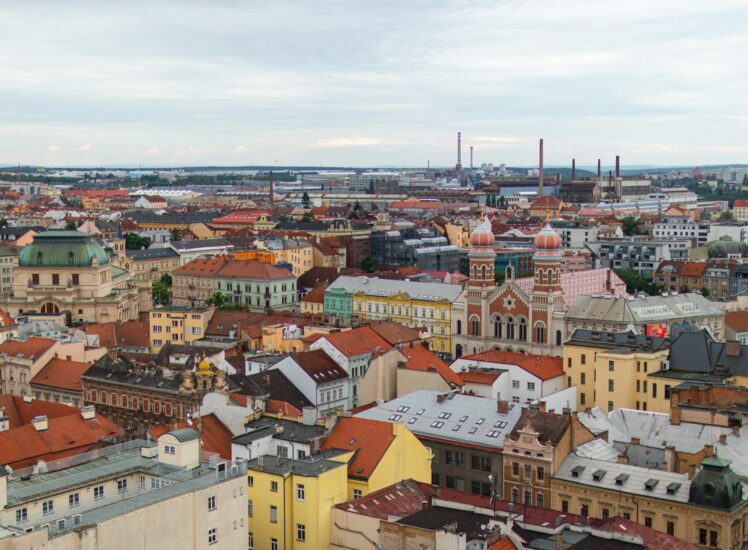
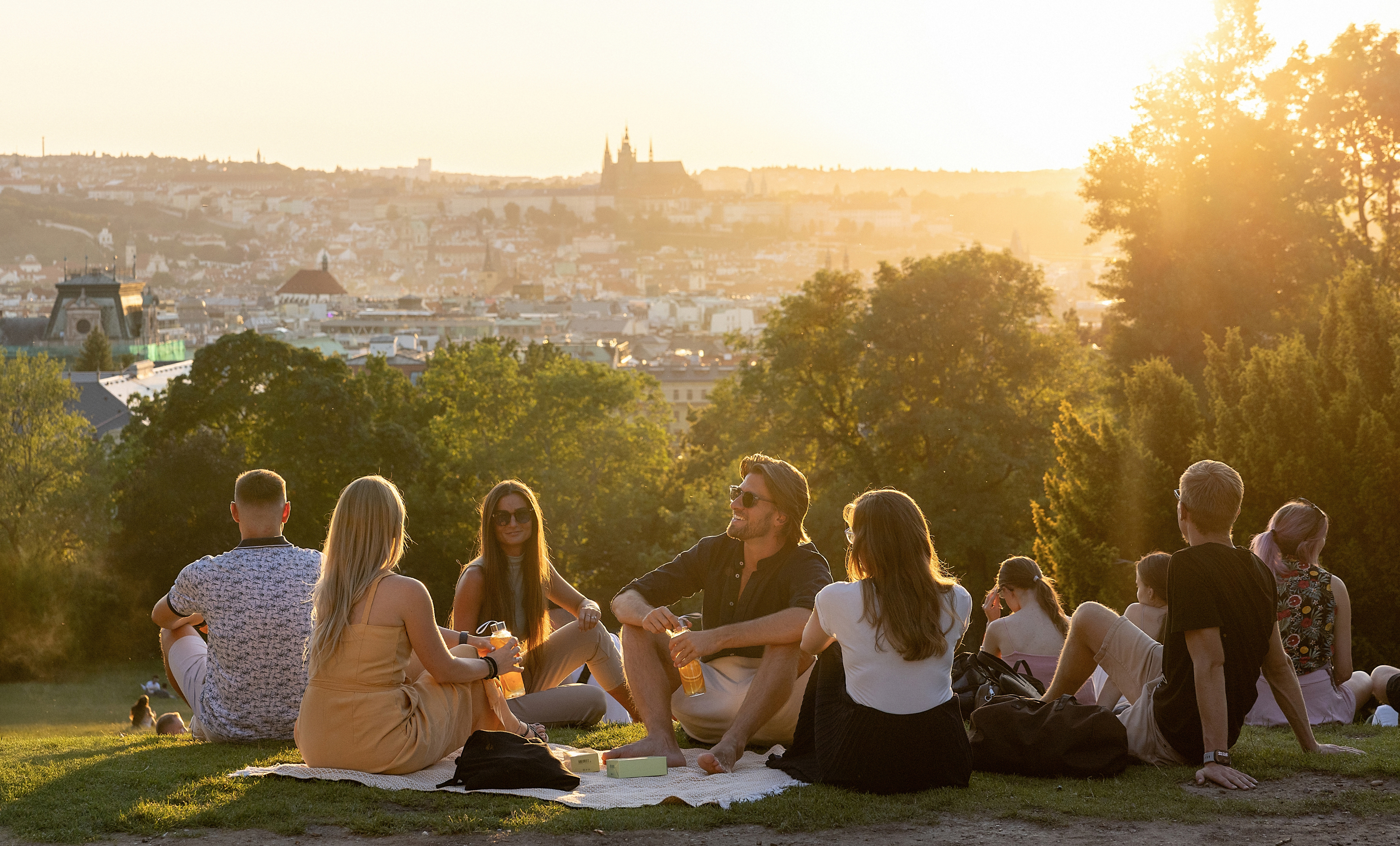
Prague is one of Europe’s most captivating cities — Gothic spires, Baroque palaces, and cobblestone streets with over a thousand years of history. This guide covers the 25 best things to do in 2026, from iconic landmarks to hidden gems most tourists never find.
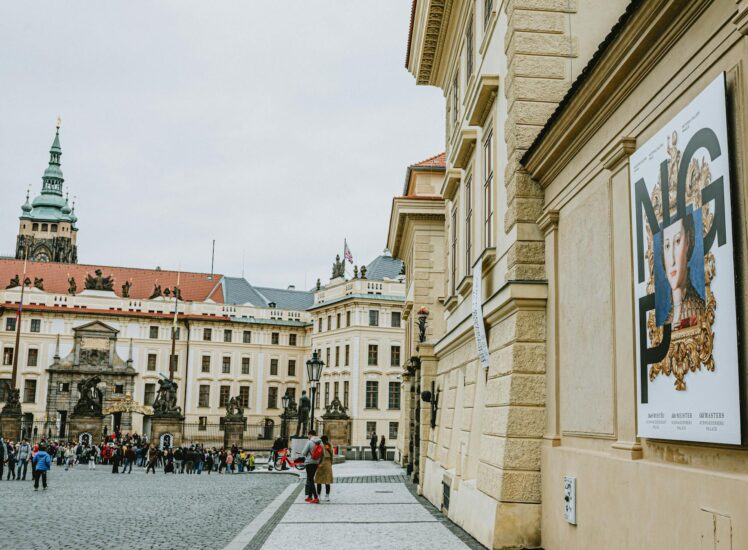
A relaxing summer view of Prague Castle from one of the city’s beautiful parks. Photo: Private Tours Czech
Top 10 Must-See Attractions in Prague
1. Prague Castle (Pražský hrad)
The largest ancient castle complex in the world, Prague Castle dominates the city skyline from its hilltop perch in Hradčany. The complex includes St. Vitus Cathedral with its stunning stained glass windows (including one by Alphonse Mucha), the Old Royal Palace, the Golden Lane with its colorful miniature houses, and St. George’s Basilica. Plan at least 3 hours for a proper visit.
Insider tip: Enter through the eastern gate at Jiřská street to skip the main security queue. The castle grounds are free — you only pay to enter specific buildings. The „Circuit B“ ticket (250 CZK / ~€10) covers the essentials.
2. Charles Bridge (Karlův most)
Prague’s most iconic landmark, Charles Bridge connects the Old Town with the Lesser Town across the Vltava River. Lined with 30 Baroque statues, the 14th-century bridge offers spectacular views of the castle and river. At dawn, you’ll have the bridge nearly to yourself — by midday, it’s shoulder-to-shoulder with tourists.
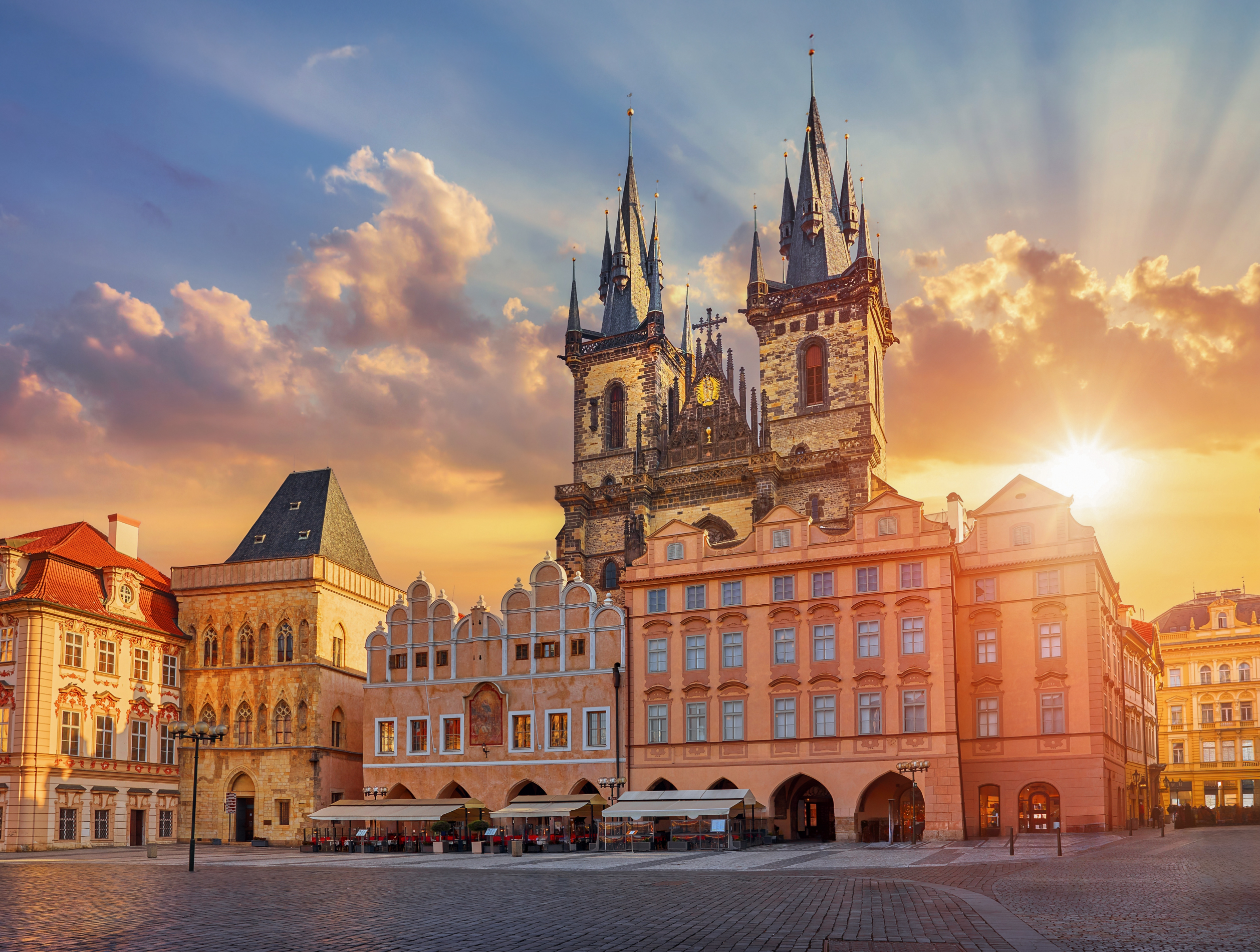
The iconic Týn Church towers over Old Town Square in warm sunset light — a must-see Prague landmark
Insider tip: Visit at sunrise (before 7 AM) for the best photography conditions and minimal crowds. Touch the bronze relief on the statue of St. John of Nepomuk for good luck — locals say you’ll return to Prague.
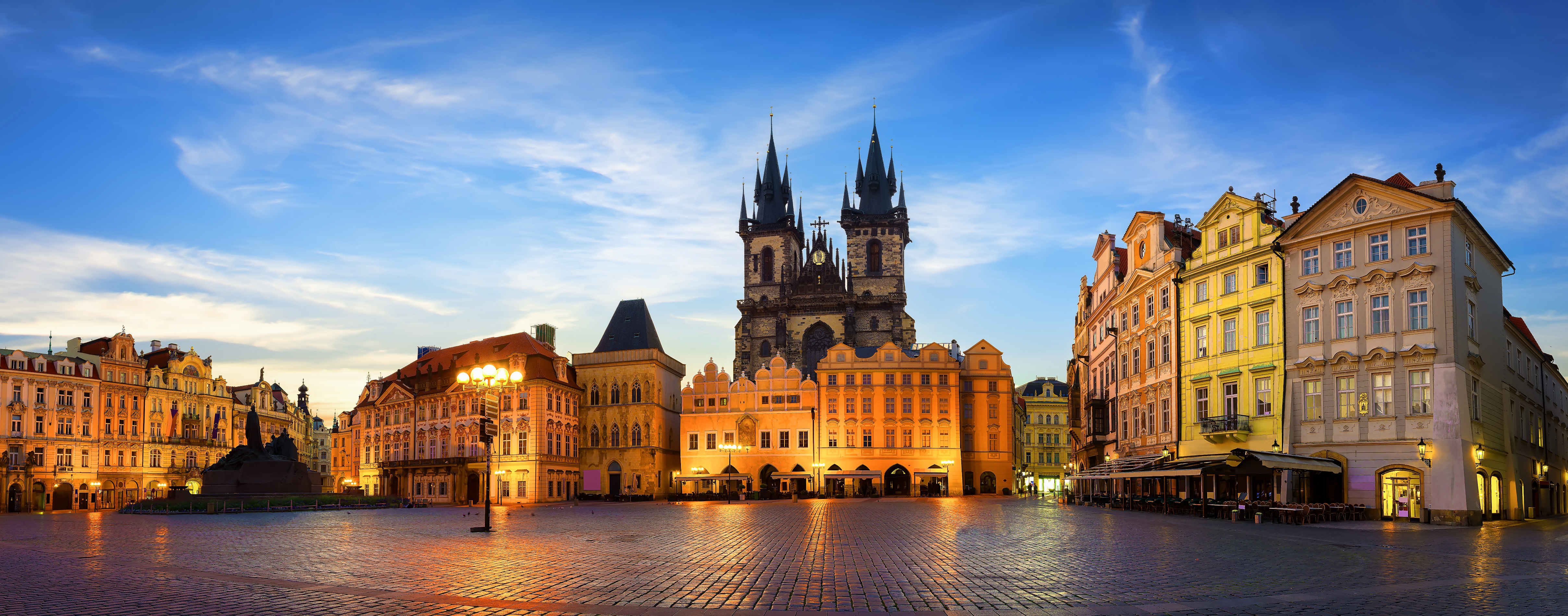
Staroměstské náměstí v Praze – Týnský chrám, orloj a kouzlo historického centra
3. Old Town Square & Astronomical Clock
The heart of Prague since the 10th century, Old Town Square (Staroměstské náměstí) is surrounded by architectural masterpieces: the Gothic Church of Our Lady before Týn, the Baroque St. Nicholas Church, and the Old Town Hall with its famous Astronomical Clock (Orloj). The clock performs an hourly show of moving apostle figures — entertaining but brief.
Insider tip: Skip the crowd watching the clock and instead pay 250 CZK to climb the Old Town Hall tower for the best aerial view of the square.
4. Jewish Quarter (Josefov)
One of the oldest and best-preserved Jewish quarters in Europe, Josefov tells the story of Prague’s Jewish community dating back to the 13th century. Visit the Old Jewish Cemetery (with 12,000 tombstones layered up to 12 deep), the Spanish Synagogue with its stunning Moorish interior, and the Old-New Synagogue — the oldest active synagogue in Europe, built around 1270.
Insider tip: Buy the combined ticket (500 CZK) covering all synagogues and the cemetery. Visit on a weekday morning to avoid tour group congestion.
5. Petřín Hill & Lookout Tower
Often called „Prague’s Eiffel Tower,“ the 63-meter Petřín Lookout Tower sits atop Petřín Hill and offers a 360-degree panorama of the entire city. Take the funicular railway up (included in regular transit tickets) and walk through the beautiful gardens. The mirror maze nearby is surprisingly fun for all ages.
Insider tip: Combine Petřín with a walk through Strahov Monastery, where the library halls are among the most beautiful in the world (photos allowed for 50 CZK extra).
6. Dancing House (Tančící dům)
This deconstructivist building by Frank Gehry and Vlado Milunić, completed in 1996, represents a dancing couple (nicknamed „Fred and Ginger“). The rooftop bar, Ginger & Fred, offers panoramic views over the Vltava River and is one of Prague’s best sunset spots.
7. Vyšehrad Fortress
Far less crowded than Prague Castle, Vyšehrad is a 10th-century fortress on a cliff above the Vltava. Walk the ramparts for stunning river views, visit the Basilica of St. Peter and St. Paul, and explore the Vyšehrad Cemetery where Czech luminaries like composers Dvořák and Smetana are buried.
Insider tip: This is one of Prague’s best-kept secrets. Entry to the fortress grounds is free, and you’ll find a fraction of the crowds compared to the castle.
8. Lennon Wall
Since the 1980s, this ever-changing wall in Malá Strana has been covered in John Lennon-inspired graffiti, peace messages, and colorful murals. It started as a symbol of resistance against the communist regime and remains a living artwork that changes daily.
9. National Gallery — Veletržní Palace
Housing one of Central Europe’s finest modern art collections, the Veletržní Palace features works by Picasso, Klimt, Schiele, and prominent Czech artists. The building itself — a 1920s functionalist masterpiece — is worth the visit.
10. Strahov Monastery Library
Two breathtaking Baroque library halls — the Theological Hall and the Philosophical Hall — contain over 200,000 volumes and ceiling frescoes that will leave you speechless. This is one of the most photographed interiors in Prague for good reason.
Hidden Gems & Local Favorites
Vítkov Hill & National Monument
The enormous equestrian statue of Jan Žižka atop Vítkov Hill is one of the largest bronze statues in the world. The hill offers an unobstructed panoramic view of Prague that rivals any other viewpoint — and you’ll likely be the only tourist there. The functionalist monument beneath houses a fascinating (and sometimes uncomfortable) exhibition about Czech 20th-century history.
Letná Beer Garden
Perched on a bluff above the Vltava, Letná Beer Garden is where locals go for a cold Pilsner with the best view in Prague. Grab a beer from the stand (40 CZK / ~€1.60), find a spot on the terrace, and watch the sun set over the Old Town. This is the most authentic Prague experience you can have.
DOX Centre for Contemporary Art
In the Holešovice neighborhood, DOX hosts provocative exhibitions in a converted factory space. The rooftop „Gulliver“ airship — a massive wooden structure you can walk through — is an artwork in itself.
Havlíčkovy Sady (Grébovka)
A gorgeous 19th-century park in Vinohrady with a working vineyard, grotto, and stunning views. When locals want to escape the tourist center, this is where they go. The park’s wine pavilion sometimes offers tastings of wine made from the vineyard’s own grapes.
Náplavka Farmers Market
Every Saturday morning, the riverbank promenade transforms into Prague’s best farmers market. Local cheeses, fresh bread, seasonal produce, craft beer, and street food — all with the river and Prague Castle as a backdrop.
cesky-krumlov-hluboka-castle-private-tour-from-prague-privatetoursczech-3-aspect-ratio-748-550
Best Day Trips from Prague
Prague’s central location makes it a perfect base for exploring Bohemia and beyond. Here are the most popular day trips:
Český Krumlov
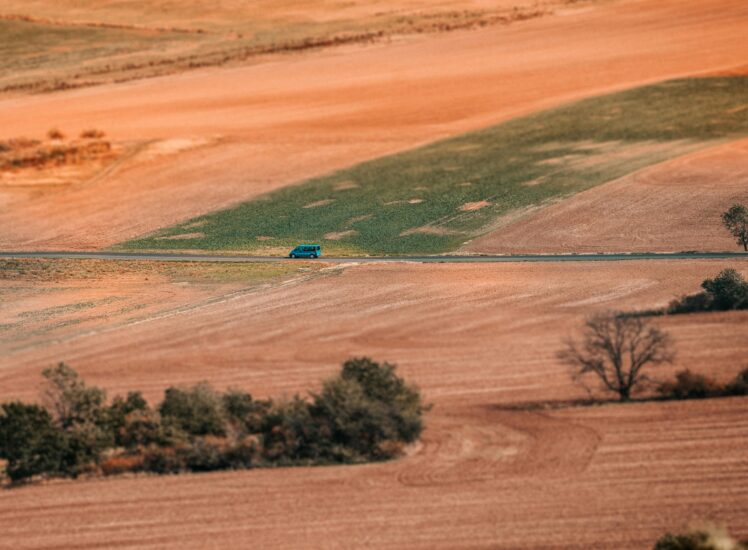
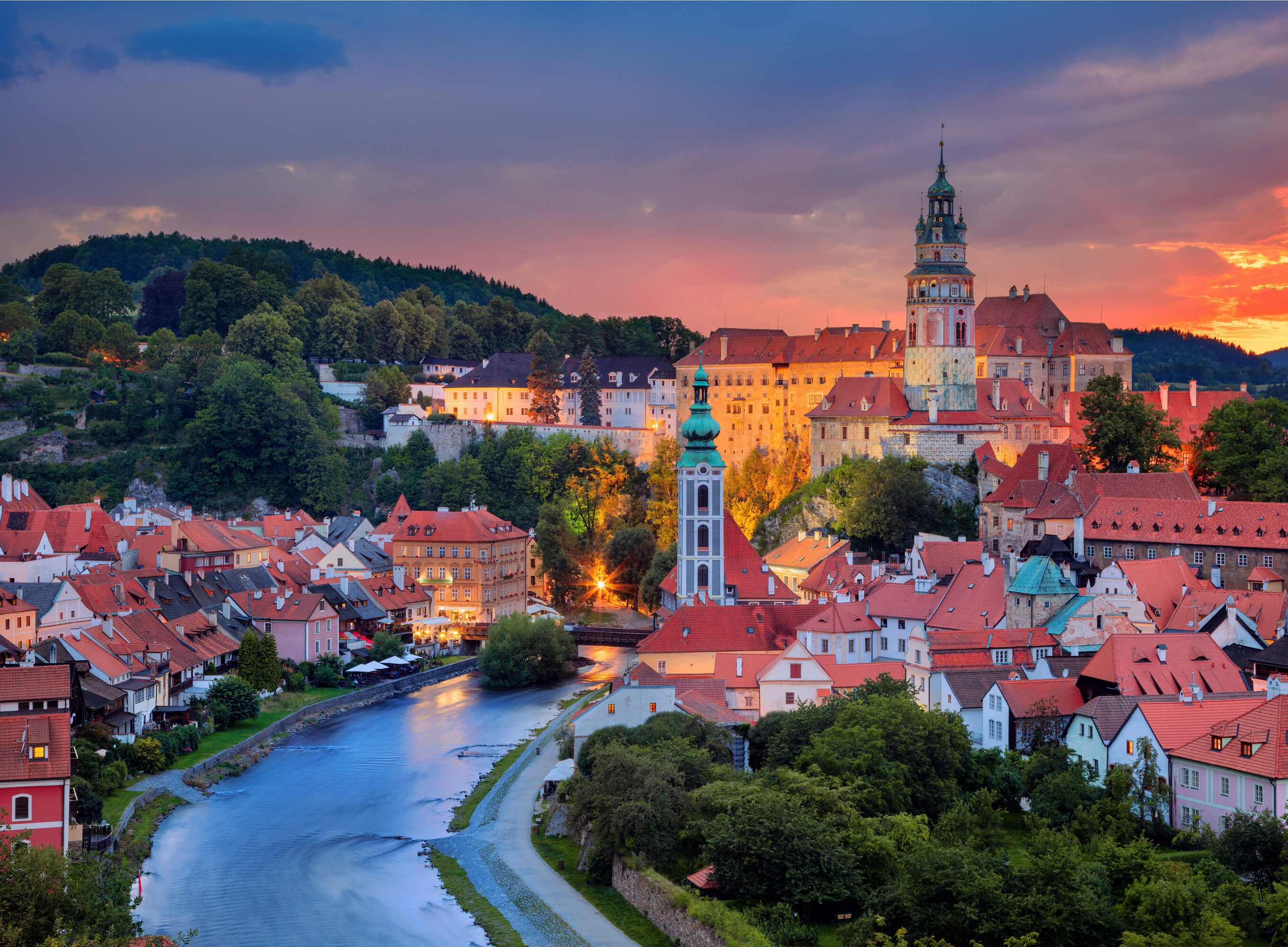
A UNESCO-listed fairy-tale town with a massive castle, a winding river, and perfectly preserved Renaissance architecture. Our Český Krumlov and Hluboká Castle tour combines both highlights with a scenic drive through the South Bohemian countryside. The trip takes about 2.5 hours each way by car.
Kutná Hora & the Bone Church
The Sedlec Ossuary — decorated with bones of 40,000 people — is one of the most extraordinary (and eerie) sights in Europe. Combined with the stunning Gothic cathedral of St. Barbara, Kutná Hora makes a fascinating day trip. Explore Kutná Hora with a private guide who brings the medieval silver mining history to life.
Karlštejn Castle
A picture-perfect Gothic castle perched on a limestone cliff, built by Emperor Charles IV to house the Crown Jewels. Just 40 minutes from Prague, it’s one of the easiest and most rewarding day trips. Our Karlštejn tour includes the stunning Velká Amerika quarry — a flooded limestone gorge nicknamed „Czech Grand Canyon.“
Bohemian Switzerland National Park
Dramatic sandstone formations, the famous Pravčická Gate (the largest natural arch in Europe), and gorge boat rides through narrow canyons. This is Czech nature at its most spectacular. See our Bohemian Switzerland private tour.
Karlovy Vary
The most famous Czech spa town, known for its colonnades, hot springs, and colorful architecture. Sample the mineral waters from ornate fountains, visit the historic Moser glassworks, and enjoy the elegant atmosphere that attracted everyone from Beethoven to James Bond. Our tour pairs Karlovy Vary with the medieval Loket Castle.
Terezín
The former WWII concentration camp and Jewish ghetto is a sobering but essential experience. The Small Fortress and the Ghetto Museum tell the story of the 150,000 people who passed through here. Our Terezín tour includes the nearby town of Litoměřice for a more complete understanding of the region’s complex history.
Why go private? Day trips by public transport are possible but often slow and inflexible. A private tour with driver and guide lets you see more in less time, stop where you want, and hear the stories that bring these places to life. With door-to-door pickup from your hotel, it’s the most comfortable way to explore beyond Prague.
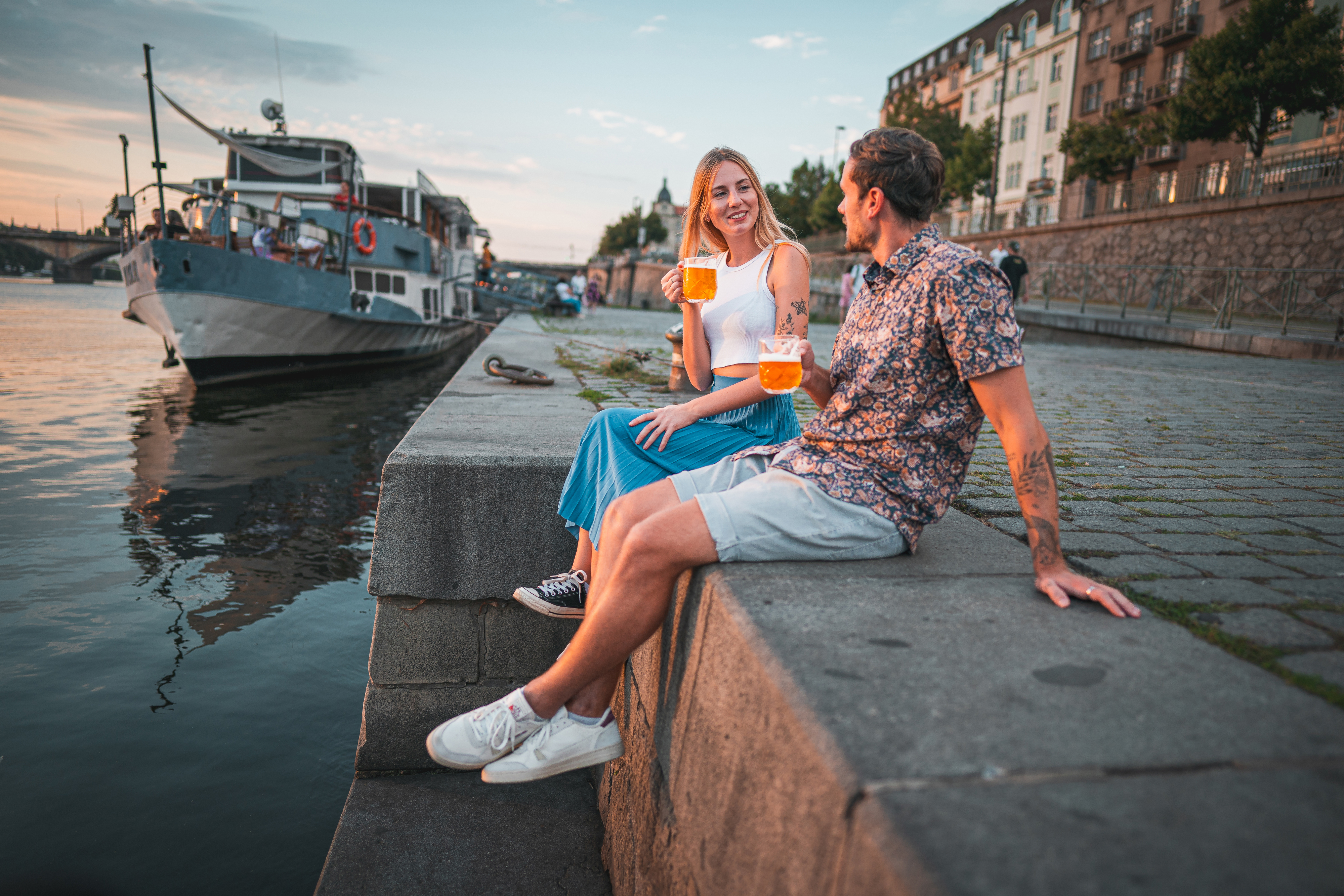
Summer Evening by the Vltava River – Authentic Prague Experience with Private Tours Czech
Prague Food & Drink Guide
Traditional Czech Dishes to Try
Czech cuisine is hearty, filling, and deeply satisfying — perfect fuel for a day of sightseeing. Here’s what to order:
Svíčková na smetaně — Slow-cooked beef sirloin in a creamy root vegetable sauce, served with bread dumplings and a dollop of cranberry sauce. This is the national dish and the benchmark by which locals judge restaurants.
Vepřo-knedlo-zelo — Roasted pork with bread dumplings and sauerkraut. Simple, comforting, and ubiquitous. When done well, it’s extraordinary.
Trdelník — The cinnamon-sugar pastry rolled on every tourist corner is actually Slovak/Hungarian, not Czech. It’s tasty but not traditional. For an authentic Czech sweet, try koláče (filled pastries) or buchty (sweet buns).
Czech beer — The Czech Republic has the highest beer consumption per capita in the world, and for good reason. Pilsner Urquell, Staropramen, and Budvar are the big names, but Prague’s craft beer scene is thriving. Try local microbreweries like Matuška, Zíchovec, or Raven.
Where to Eat (Avoiding Tourist Traps)
Rule #1: Avoid any restaurant on Old Town Square or directly on Charles Bridge. The food is mediocre and the prices are 2-3× what locals pay.
Instead, walk 5 minutes in any direction and you’ll find better food at fair prices. Neighborhoods like Vinohrady, Žižkov, Karlín, and Holešovice have Prague’s best restaurants at reasonable prices.
Budget tip: Look for the daily lunch menu (denní menu or polední menu) — most Czech restaurants offer a soup + main course for 150-200 CZK (€6-8) on weekdays between 11 AM and 2 PM.
Practical Tips for Visiting Prague in 2026
Getting Around
Prague’s public transit (metro, trams, buses) is excellent, cheap, and reliable. A 24-hour pass costs 120 CZK (~€5). The city center is compact and very walkable — most attractions are within 30 minutes on foot from Old Town Square.
For day trips outside Prague, see our complete guide to getting around Czechia covering trains, buses, and private transfers.
Best Time to Visit
April–June and September–October offer the best balance of pleasant weather, manageable crowds, and reasonable prices. July and August are peak season with higher prices and more tourists. Winter (November–March) is cold but magical, especially during the Christmas market season (late November through December).
How Much Does Prague Cost?
Prague is significantly cheaper than Western European capitals:
– Budget hotel/hostel: €30-60/night
– Mid-range hotel: €80-150/night
– Restaurant lunch (daily menu): €6-8
– Restaurant dinner: €15-25
– Beer (0.5L): €1.50-3
– Public transit day pass: €5
– Prague Castle entry: €10
Is Prague Safe?
Prague is one of the safest capital cities in Europe. Violent crime against tourists is extremely rare. The main risks are pickpocketing in crowded tourist areas (Old Town Square, Charles Bridge, metro) and taxi scams. Use ride-hailing apps (Bolt or Liftago) instead of hailing taxis on the street, and keep valuables in front pockets or a cross-body bag.
Currency & Payments
The Czech Republic uses the Czech koruna (CZK), not the euro. While many tourist-facing businesses accept euros, the exchange rate is usually terrible. Use a card (Visa/Mastercard widely accepted) or withdraw CZK from ATMs. Avoid exchange offices on tourist streets — they charge commission rates of 10-15%.
How to Make the Most of Your Prague Trip
Prague rewards those who venture beyond the tourist center. While the Old Town and Castle are undeniably beautiful, the real magic happens in neighborhoods like Vinohrady, Žižkov, Letná, and Karlín — places where you can experience how Prague actually lives.
For the best experience, consider a private half-day tour on your first day. A local guide will orient you to the city, share insider knowledge you won’t find in any guidebook, and help you avoid the tourist traps. After that, you’ll explore on your own with confidence.
If you have more than two days, a day trip outside Prague is absolutely worth it. The Czech countryside is stunning, and destinations like Český Krumlov, Bohemian Switzerland, or Karlovy Vary are among the most beautiful places in Central Europe.
Day trips from Prague
How many days do you need in Prague?
Three days is the sweet spot for most visitors — enough to cover the Old Town, Prague Castle, and one or two hidden neighbourhoods. With four or five days you can add a day trip to Český Krumlov or Kutná Hora and explore at a relaxed pace.
Is Prague expensive for tourists?
Prague is significantly cheaper than Western European capitals. A good restaurant meal costs €8–15, a pint of Czech beer €2–3, and public transport is under €2 per ride. Accommodation ranges from €50–150 per night depending on the area.
What should I avoid in Prague?
Skip the exchange offices on the street (terrible rates) — use ATMs or pay by card. Avoid restaurants on Old Town Square for meals (tourist markup). Be careful with taxis — always use apps like Bolt or Liftago rather than hailing on the street.
Is Prague safe for tourists?
Very safe. Prague consistently ranks among the safest capital cities in Europe. Petty pickpocketing in crowded tourist areas is the main concern — keep valuables secure on Charles Bridge and in the metro.
You might also enjoy
- Best Day Trips from Prague 2026 — complete guide to all destinations
- 3 Days in Prague — perfect day-by-day itinerary
- Karlovy Vary Day Trip — thermal spas, colonnades, and Moser glassworks
- Karlštejn Castle Day Trip — Gothic royal castle just 40 minutes from Prague
See Prague’s highlights and hidden gems with a private guide who knows every corner. View our Prague tours →
Design Your Own Custom Tour
Want something unique? Use our Tour Builder to create a personalized itinerary tailored to your interests, pace, and budget. Choose your destinations, set your schedule, and we handle everything else.
Editorial verification: Attraction hours, ticket prices, and accessibility info reflect April 2026 conditions verified by our Prague-based team.
Authoritative sources used: