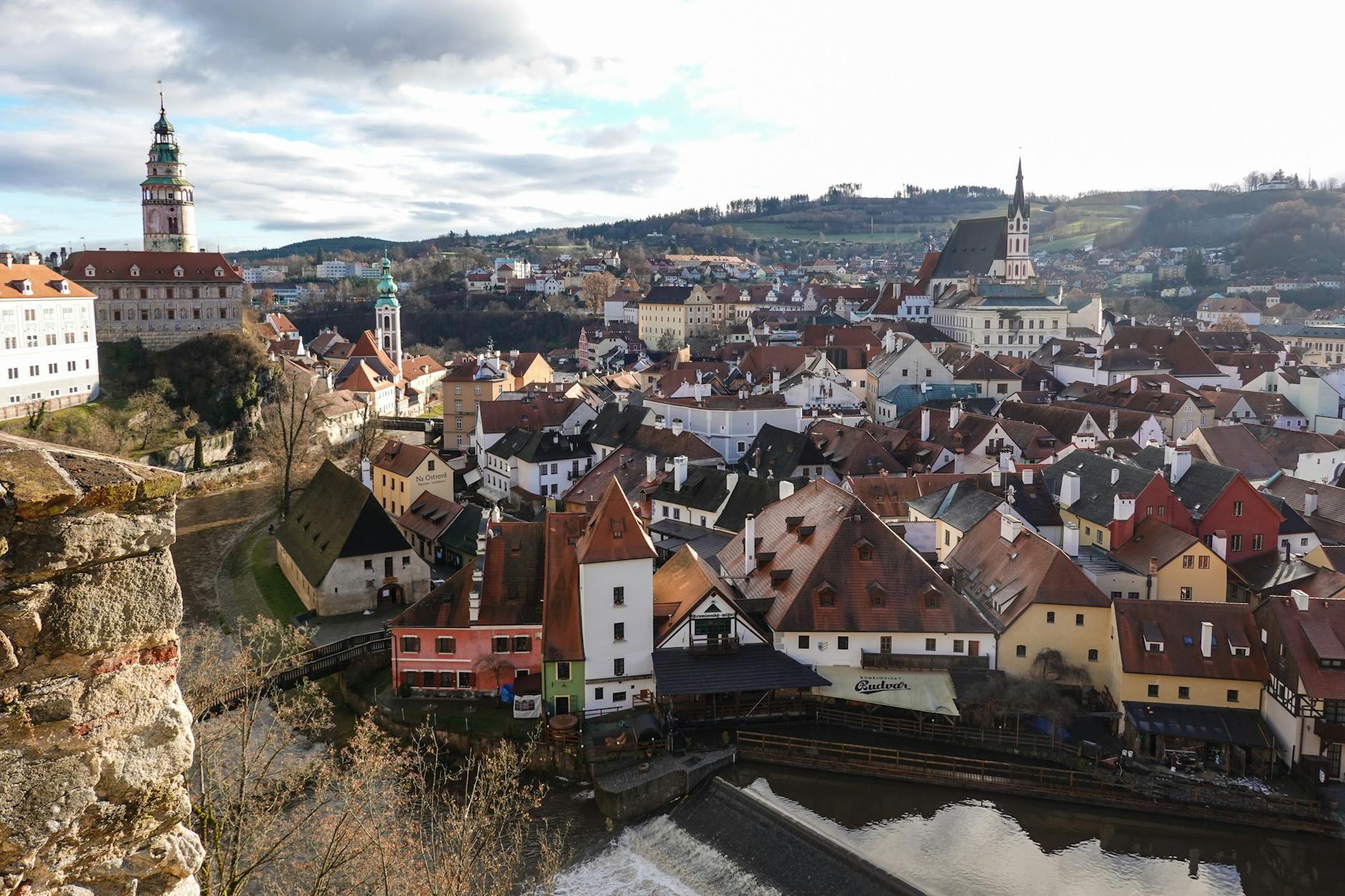
The Czech Republic punches well above its weight on the UNESCO World Heritage List. For a country the size of South Carolina, having 16 inscribed sites — all of them cultural — is remarkable. From medieval castle-towns and Baroque pilgrimage churches to modernist villas and ceremonial horse studs, each site tells a different chapter of Central European history. This guide covers every single one, with practical advice on which are worth visiting on a private day trip from Prague.
How Many UNESCO World Heritage Sites Does the Czech Republic Have?
As of 2024, the Czech Republic has 16 UNESCO World Heritage Sites, all inscribed as cultural properties. The first three were added in 1992 — Prague, Český Krumlov, and Telč — and the most recent, the Žatec hops landscape, was inscribed in 2023. Two sites (the Erzgebirge/Krušnohoří mining region and the Great Spa Towns of Europe) are transnational inscriptions shared with Germany and other European countries respectively.
All 16 sites are located in Bohemia and Moravia. Silesia, the third historic region, has no UNESCO inscriptions on Czech territory.
Are Czech UNESCO Sites Worth Visiting on a Day Trip from Prague?
Honestly, it depends. Some — like Český Krumlov, Kutná Hora, and Telč — are among the finest medieval destinations in Europe and absolutely worth the journey. Others, like the Column of the Holy Trinity in Olomouc, are more interesting as part of a broader city visit than as standalone destinations. And a few, like the Kladruby stud farm, appeal mainly to travellers with a specific interest in their subject.
For most visitors with limited time, the three best UNESCO day trips are Kutná Hora (1.5 hours from Prague), Český Krumlov (3 hours), and Telč (2.5 hours). A private guided tour makes the logistics easy and gives you proper context for what you are seeing.
1. Historic Centre of Prague (inscribed 1992)
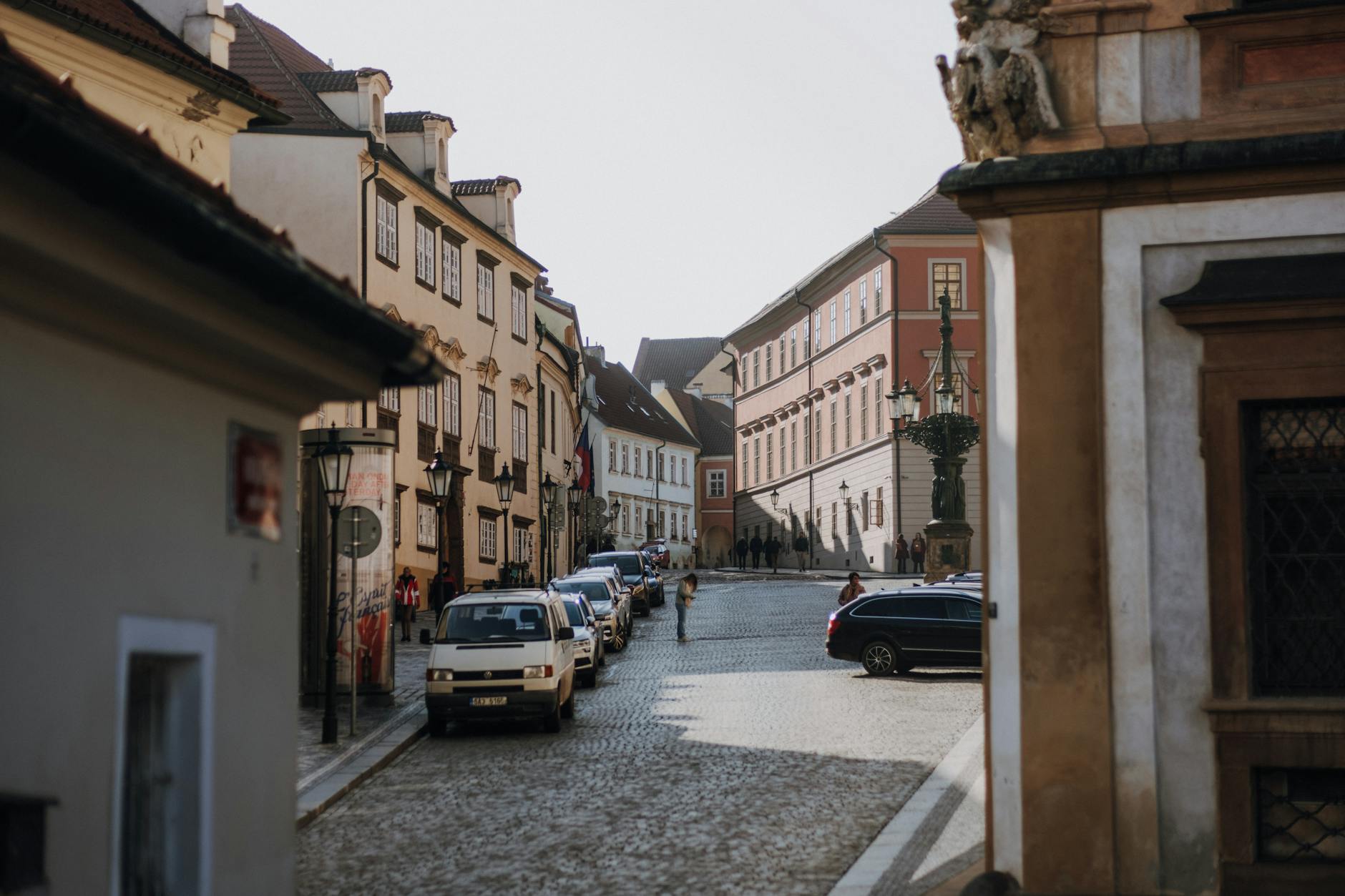
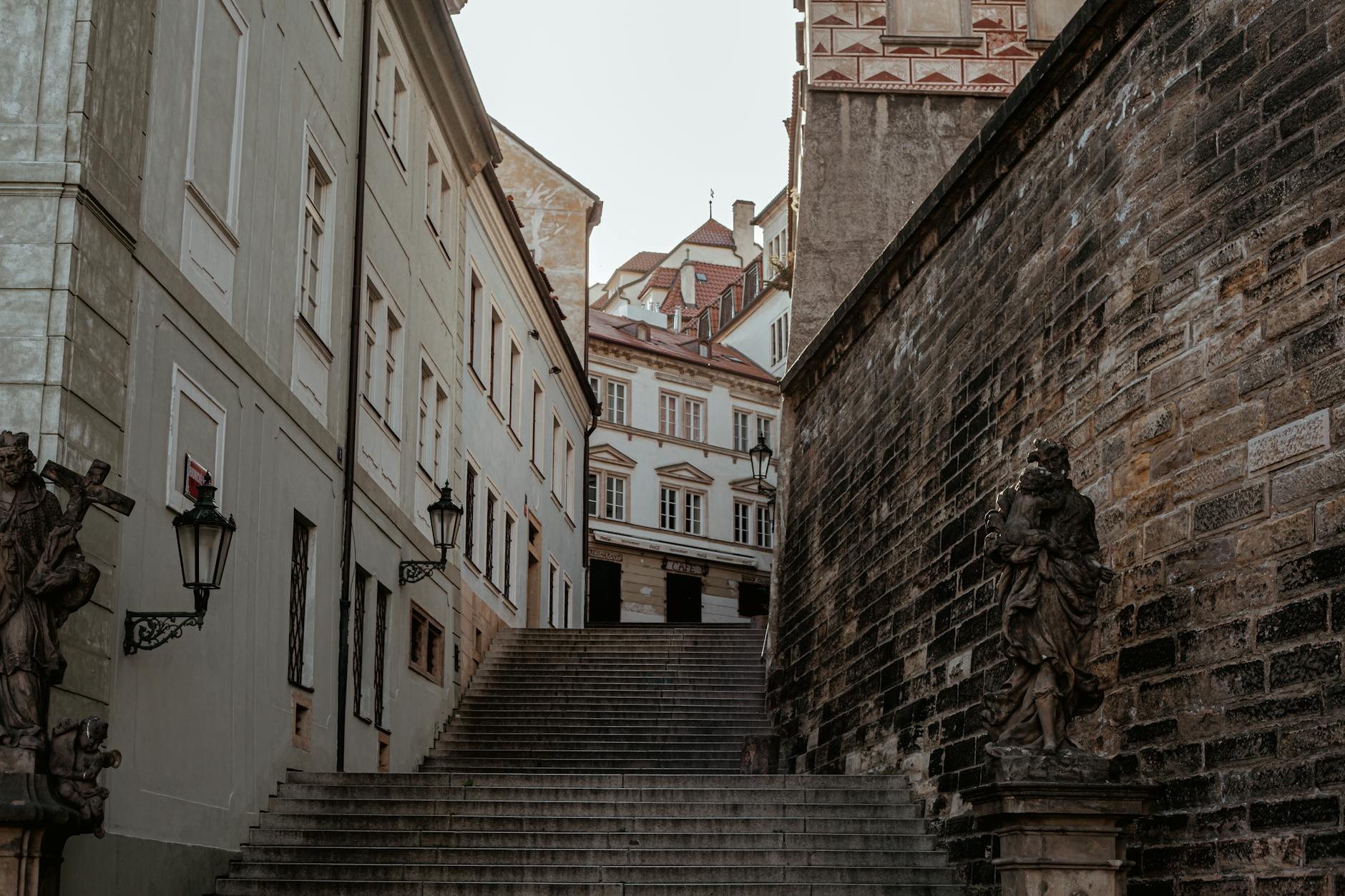
Prague's Old Town, Malá Strana, Hradčany, and Josefov form one of Europe's largest and best-preserved historic urban areas. The inscription covers roughly 870 hectares encompassing Prague Castle, Charles Bridge, the Old Town Square with its Astronomical Clock, and hundreds of Romanesque, Gothic, Renaissance, and Baroque buildings layered across nearly a thousand years of continuous habitation.
What makes Prague exceptional is the sheer density and variety of its architecture — Romanesque rotundas beside Cubist houses, Art Nouveau apartment buildings overlooking medieval lanes. The city was largely spared from Second World War bombing, so what you see is genuinely old, not reconstruction. Half-day and full-day private tours cover the main highlights with expert commentary.
2. Historic Centre of Český Krumlov (inscribed 1992)
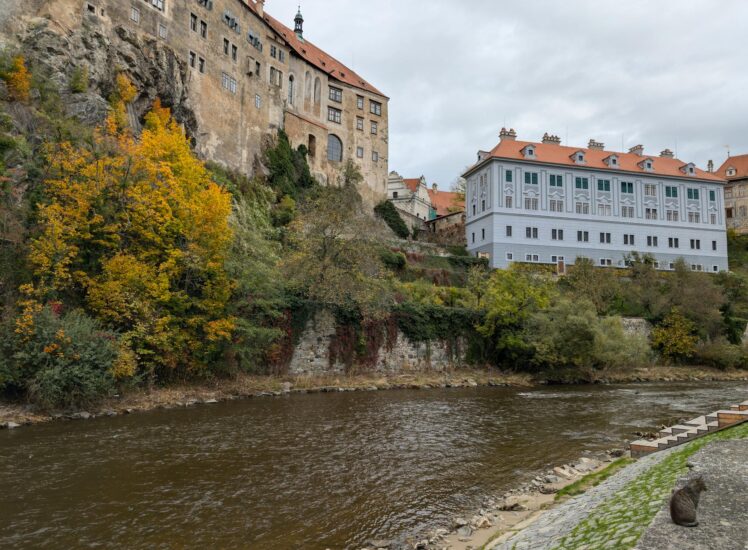
Český Krumlov is one of the most photogenic towns in Central Europe — a medieval townscape wrapped around a bend in the Vltava River, dominated by a vast castle complex second in size only to Prague Castle. The castle spans 40 buildings across six centuries of construction, with frescoed interiors, a Baroque theatre with original stage machinery, and tiered gardens climbing the hillside above the river.
The town below has Renaissance and Baroque burgher houses packed into narrow lanes. This is one of our most popular day trips from Prague — 3 hours each way, best done with a private driver so you control the pace.
3. Kutná Hora: Historical Town Centre (inscribed 1995)
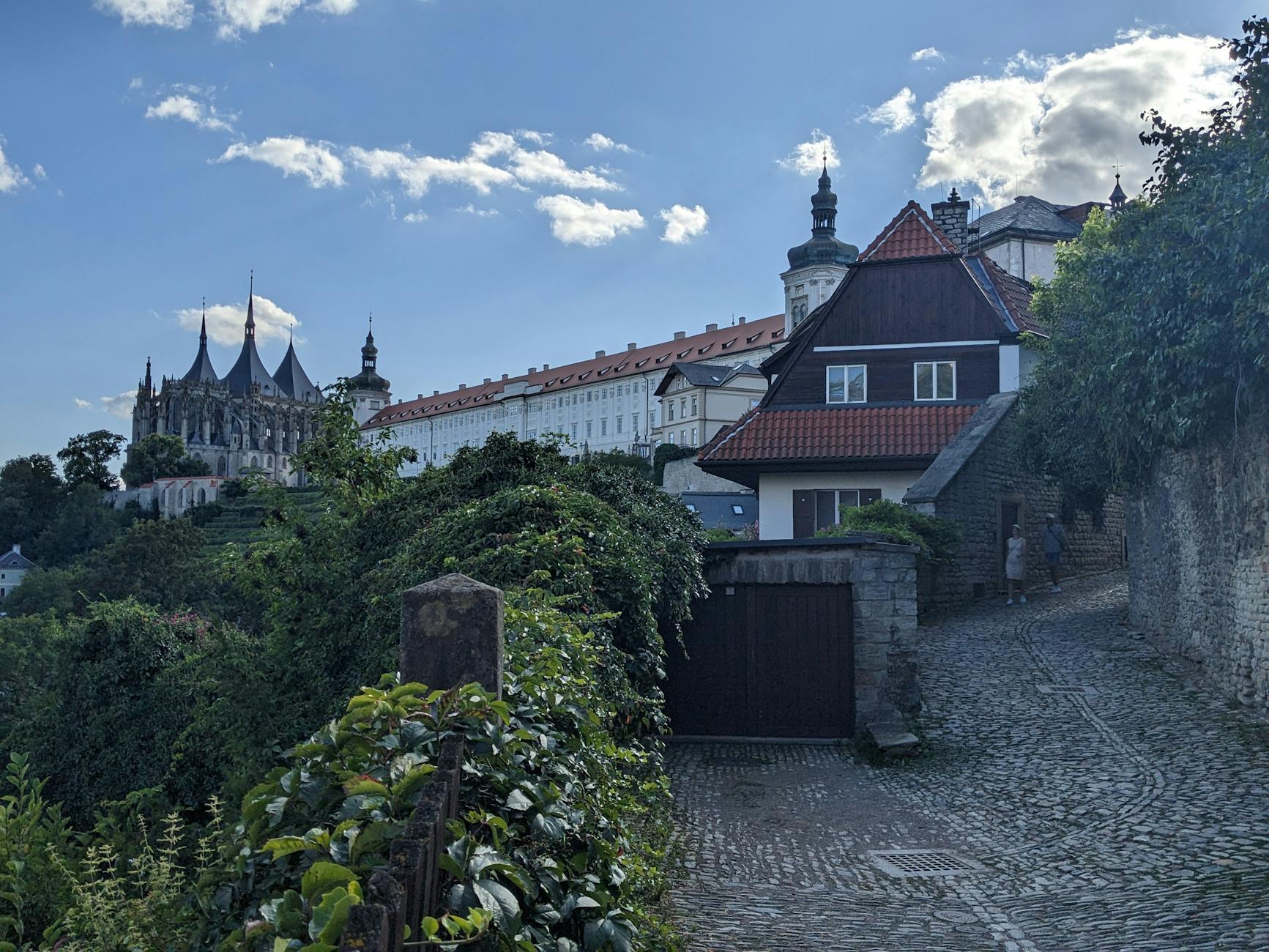
Kutná Hora is only 80 kilometres from Prague but feels like a different world. Founded when massive silver deposits were discovered beneath the surrounding hills, it was one of the most important cities in Central Europe for over 200 years — the Prague Groschen was minted here, and the Bohemian kings drew much of their wealth from its mines.
Three buildings define the UNESCO inscription. The Cathedral of Saint Barbara (begun 1388) is a spectacular late-Gothic structure with flying buttresses, ribbed vaulting, and frescoes depicting medieval mining life. The Sedlec Ossuary contains approximately 40,000 human bones artistically arranged into chandeliers, coats of arms, and garlands. The Italian Court (the former royal mint) completes the visit. Our Kutná Hora private tour covers all three in a single day trip.
4. Pilgrimage Church of Saint John of Nepomuk at Zelená Hora (inscribed 1994)
Near Žďár nad Sázavou in Moravia stands one of the most architecturally unusual buildings in Europe. Designed by Jan Blažej Santini-Aichel and completed in 1722, this Baroque pilgrimage church was built in honour of Saint John of Nepomuk — a Bohemian martyr who became one of the most venerated saints in the Catholic world.
Santini's design synthesises Gothic and Baroque forms on a symbolic five-pointed star plan, referring to the five stars that legend says appeared above the Vltava where John's body was thrown. Seen from above, the church and its surrounding cloister form a perfect star. For architecture enthusiasts it is an essential site in Central Europe.
5. Lednice-Valtice Cultural Landscape (inscribed 1996)
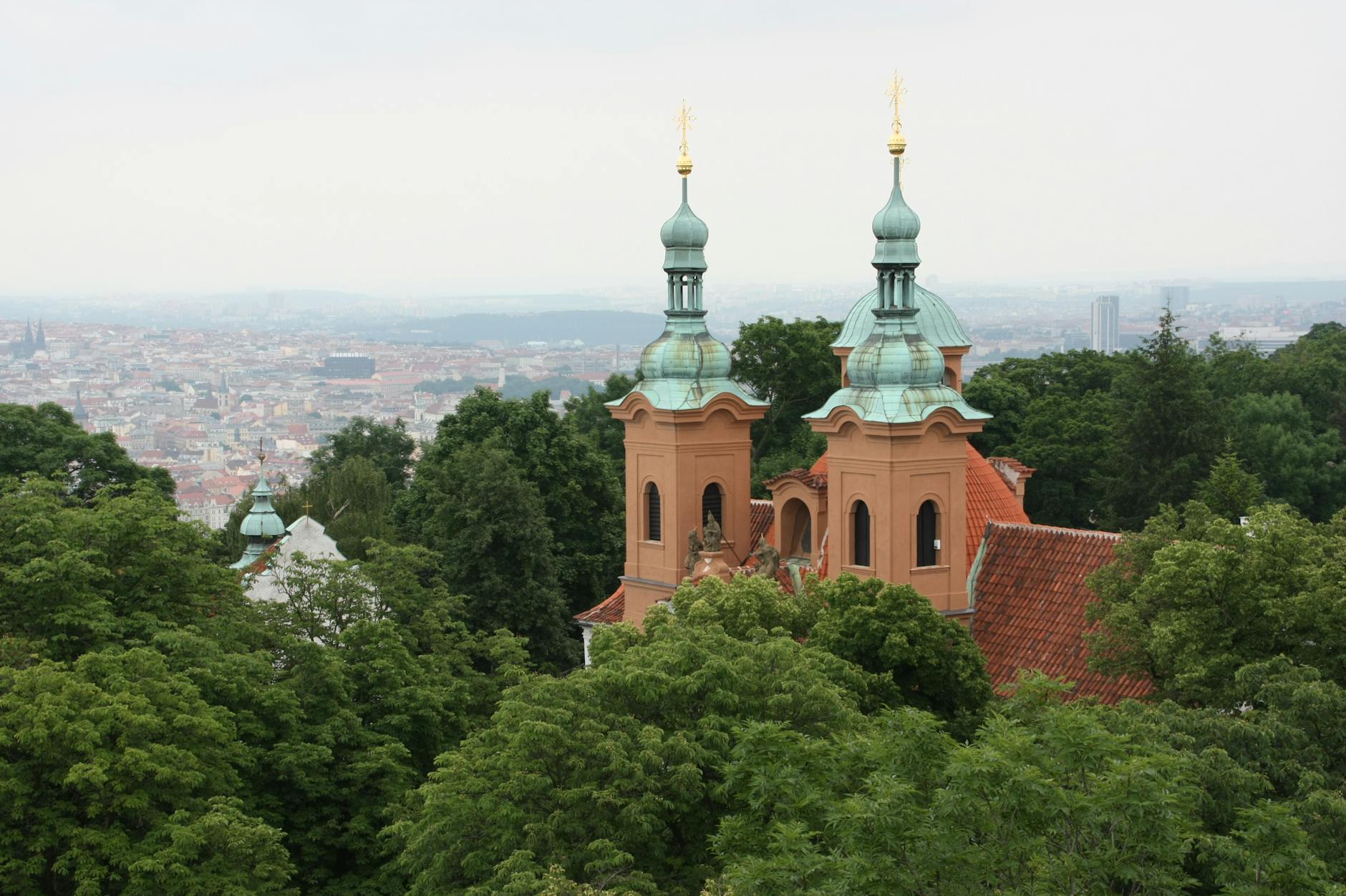
The Lednice-Valtice area in South Moravia is one of the largest artificial landscape compositions in Europe. Over several centuries, the Liechtenstein family transformed approximately 200 square kilometres of Moravian countryside into an idealized English-style landscape garden with neogothic follies, Classical temples, artificial lakes, and two substantial palace complexes.
Lednice Palace is a spectacular neogothic building with a 60-metre minaret (the tallest in Central Europe) and extensive greenhouses. Valtice Palace is a Baroque residence now housing one of the best wine cellars in the country. The landscape between them rewards a long bicycle ride or horse-drawn carriage. Best combined with a visit to the Mikulov wine region, about 3 hours from Prague.
6. Gardens and Castle at Kroměříž (inscribed 1998)
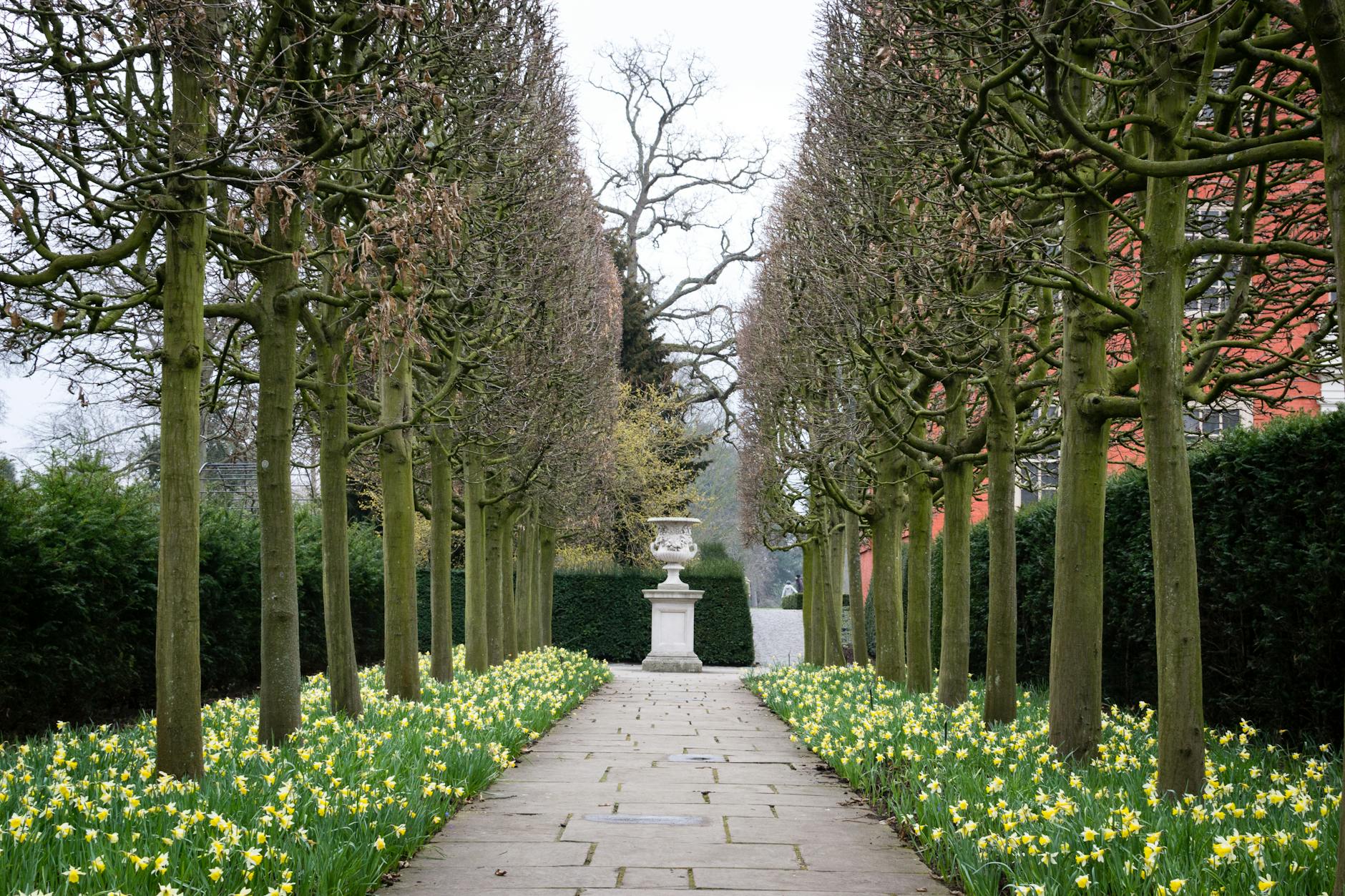
Kroměříž in Moravia was the residence of the Olomouc Bishops and Archbishops — one of the most powerful ecclesiastical dynasties in Central European history. The UNESCO inscription covers the Episcopal Palace (with a world-class art collection including Titian's Flaying of Marsyas) and two extraordinary Baroque gardens.
The Flower Garden, designed in the French Baroque style, is considered the finest of its kind in Central Europe. The Pleasure Garden follows the English landscape tradition along the Morava River. The palace gallery also contains works by Lucas Cranach the Elder and Pieter Bruegel the Younger. Kroměříž is often paired with a Brno day trip for travellers exploring Moravia.
7. Holašovice Historical Village Reservation (inscribed 1998)
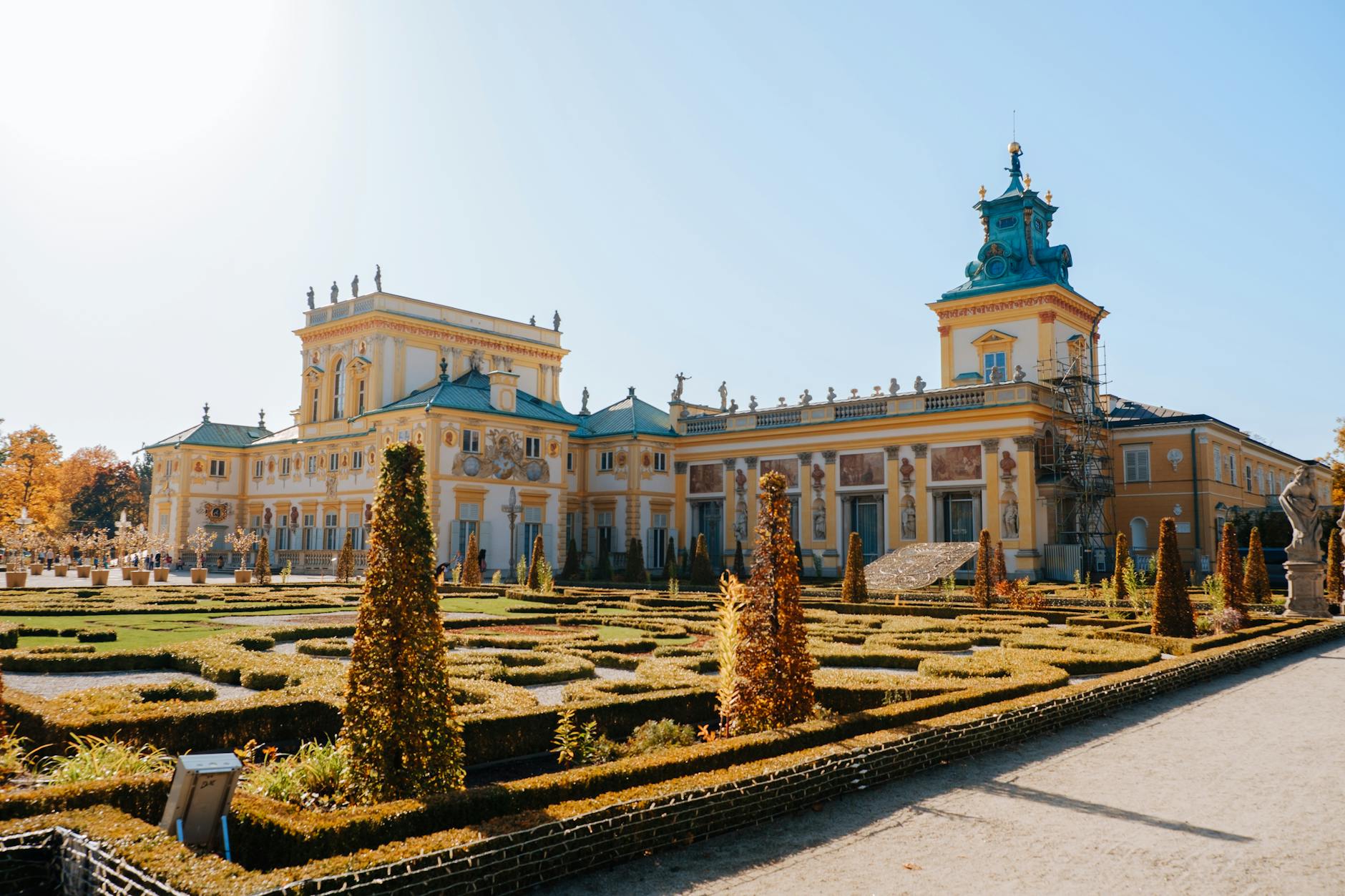
Holašovice is a tiny South Bohemian village inscribed not for a castle or cathedral but for its extraordinary state of preservation. The village retains its original 18th and early 19th-century layout almost completely intact, with a central green surrounded by whitewashed farmsteads decorated in South Bohemian Folk Baroque — a charming vernacular application of Baroque ornamentation to simple agricultural buildings.
Holašovice is about 20 kilometres from Český Krumlov and can be visited as a short detour on a South Bohemia day trip. The village is inhabited, not a museum, which gives it a quiet authenticity that more famous sites often lack.
8. Litomyšl Castle (inscribed 1999)
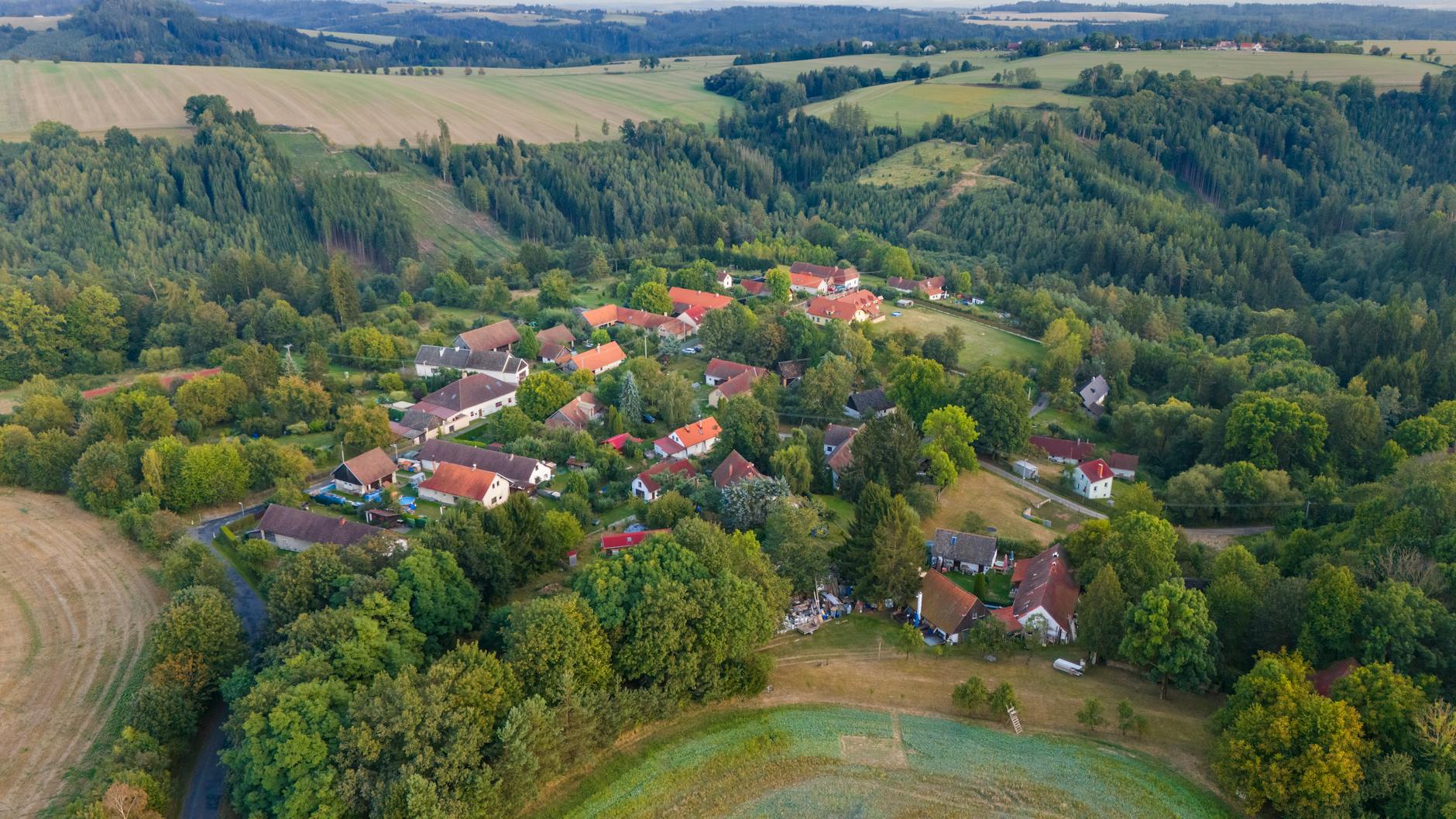
Litomyšl Castle in East Bohemia is the finest example of Renaissance arcade castle architecture in Central Europe. Built between 1568 and 1581 for the Lords of Pernštejn, the courtyard facades are covered from ground to eaves in sgraffito decoration — geometric patterns scratched into the plasterwork — creating an extraordinary rippling visual effect. No two bays are quite the same.
Inside is a Baroque theatre with original 18th-century stage machinery and sets — one of only a handful surviving intact in Europe. The town is also the birthplace of composer Bedřich Smetana, and the castle hosts a prestigious annual opera festival. Litomyšl is 2.5 hours from Prague and makes for a rewarding day trip for those interested in art, architecture, or music history.
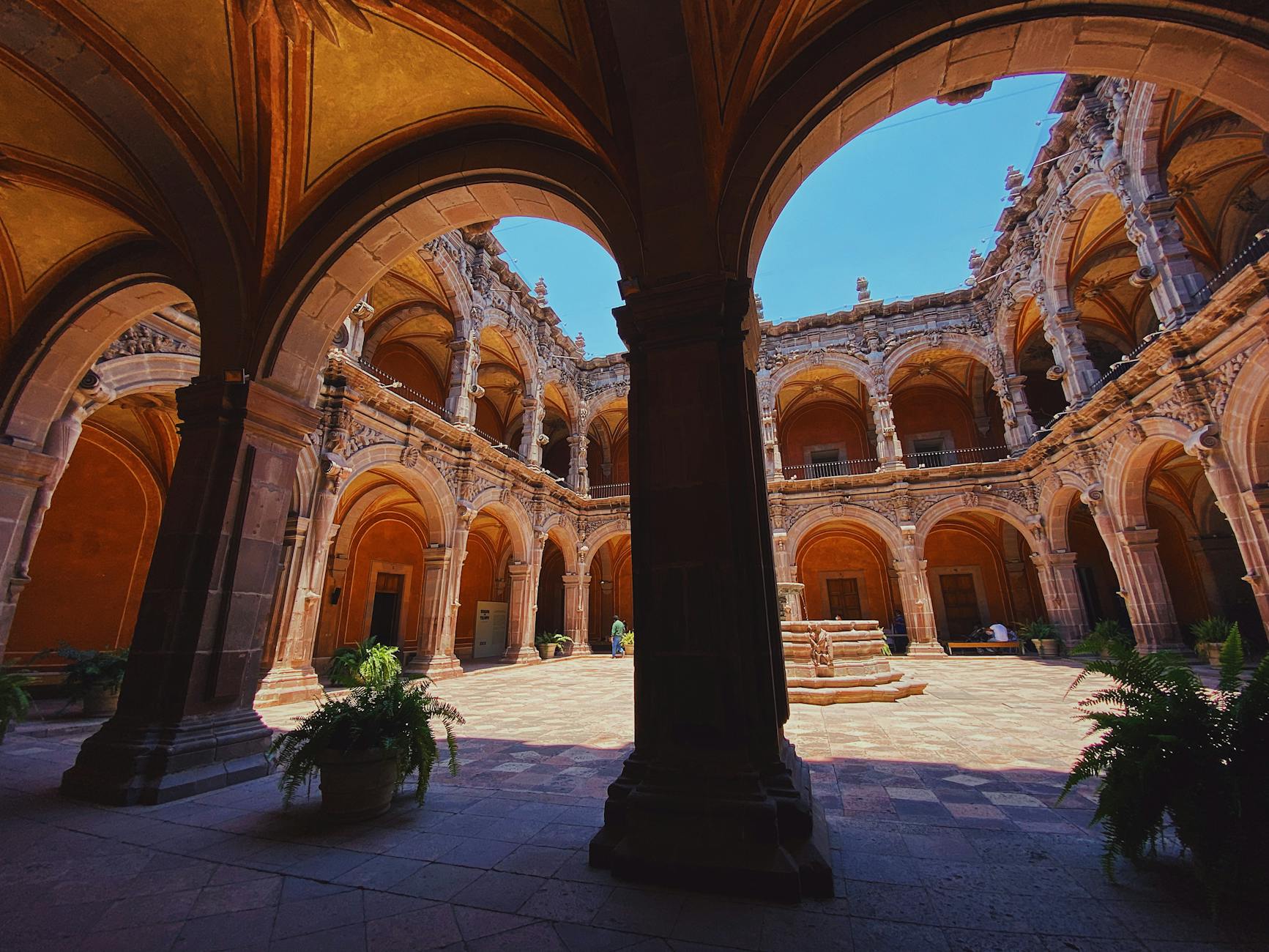
9. Column of the Holy Trinity in Olomouc (inscribed 2000)
Olomouc is one of the most underrated cities in Central Europe — a compact Baroque town with six magnificent fountains, a spectacular cathedral, and streets full of Renaissance and Baroque architecture. The UNESCO inscription focuses on a single monument: the Column of the Holy Trinity, completed in 1754.
At 35 metres tall, this is the largest Baroque sculptural monument in Central Europe, carrying 18 gilded sculptural groups and culminating in a representation of the Holy Trinity. Built over 50 years and largely funded by the citizens of Olomouc, it stands in the main square as a statement of civic and religious identity. Best visited as part of a broader Moravia day trip.
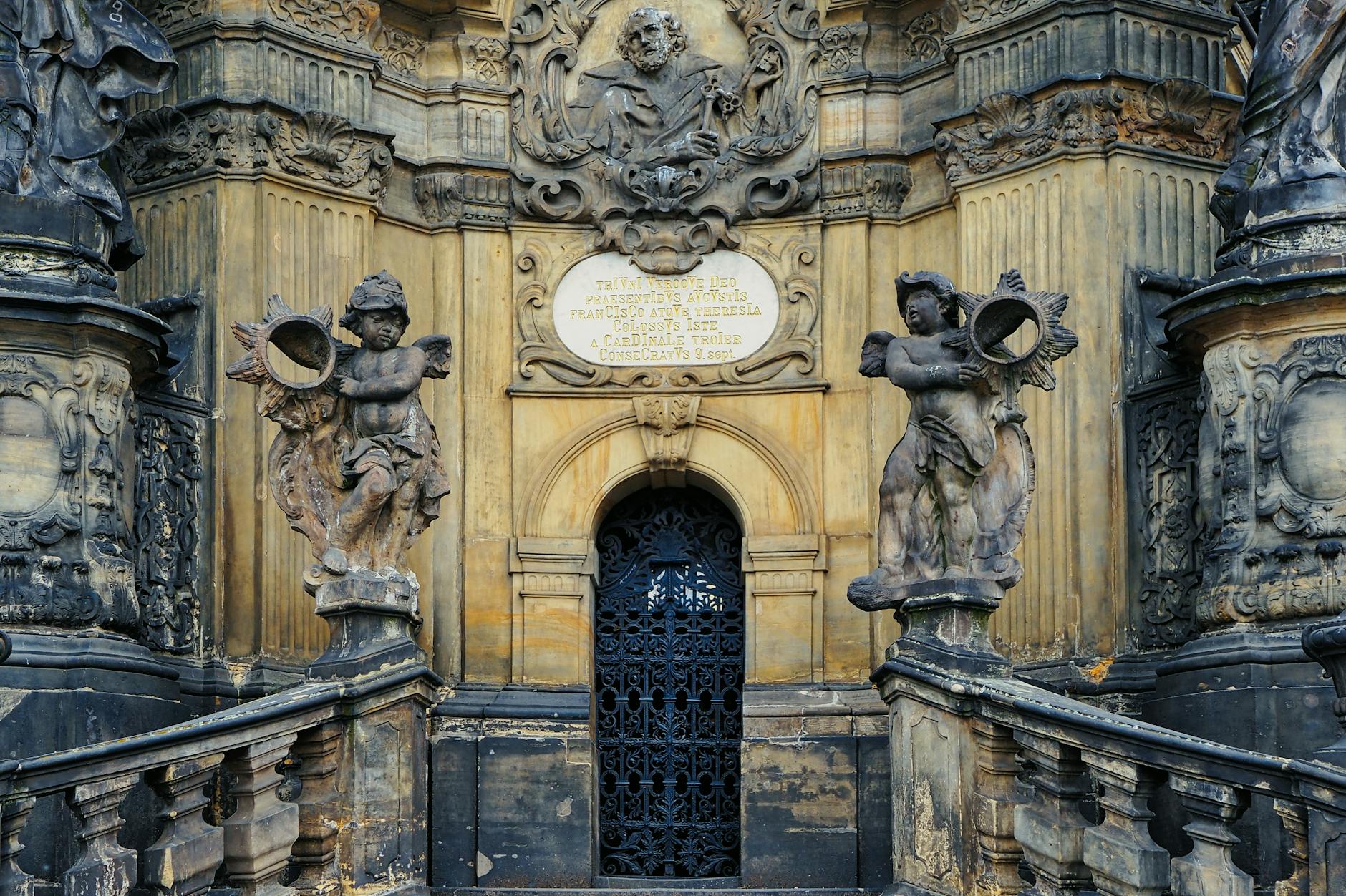
10. Tugendhat Villa in Brno (inscribed 2001)
The Tugendhat Villa is one of the great buildings of the 20th century — a masterpiece of modernist architecture designed by Ludwig Mies van der Rohe and completed in 1930. Along with the Barcelona Pavilion, it represents Mies's most complete realisation of his architectural philosophy: structure stripped to its essence, space liberated from load-bearing walls, materials used with extreme refinement.
The villa's main living floor is 600 square metres of open plan divided only by walls of Macassar ebony and onyx. Floor-to-ceiling glass panels facing the garden can be lowered entirely into the floor. After wartime damage and use as a children's rehabilitation centre, the villa was meticulously restored to its 1930s appearance. Visits require advance booking; Brno is about 2 hours from Prague.
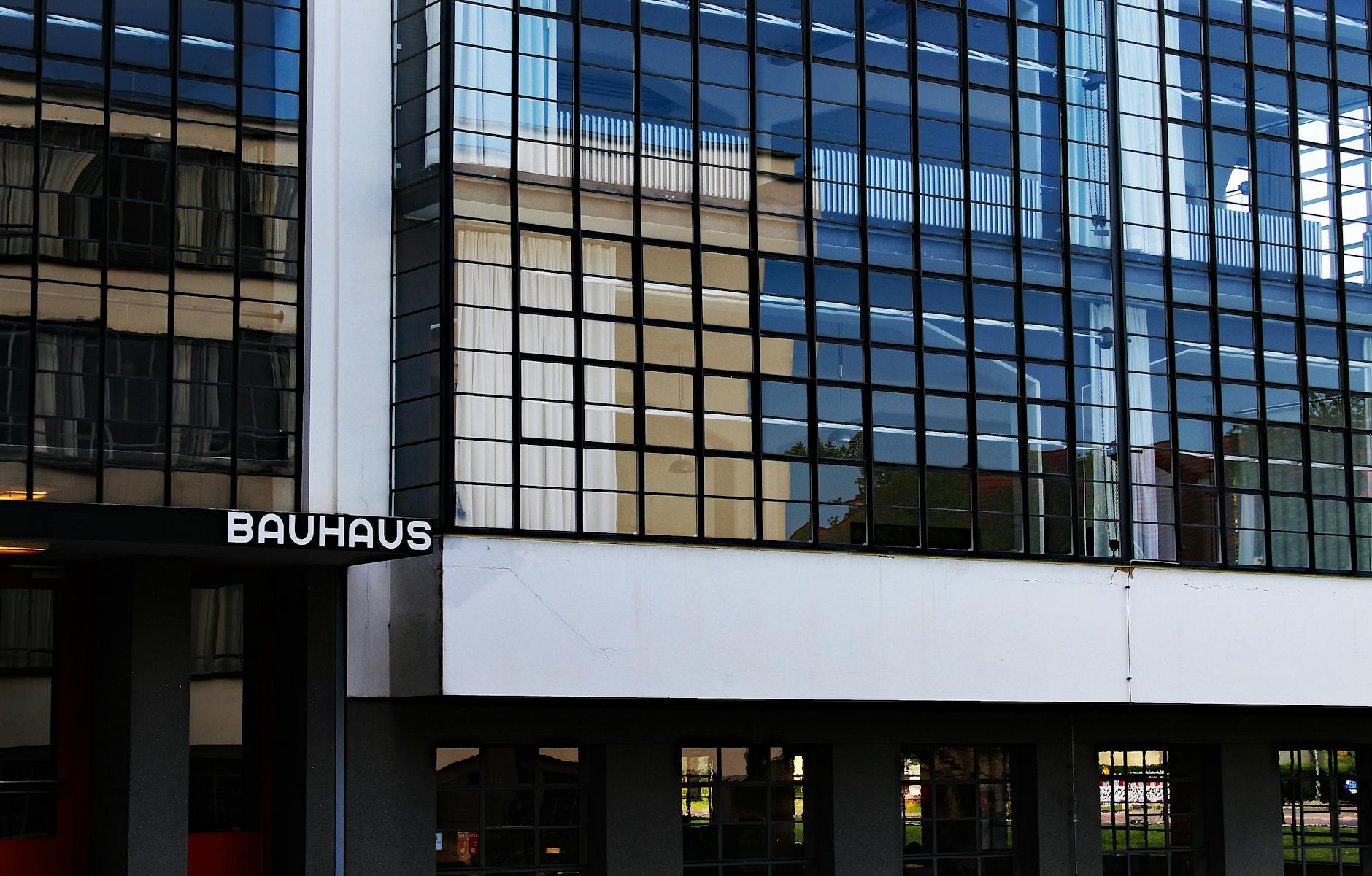
11. Jewish Quarter and St Procopius' Basilica in Třebíč (inscribed 2003)
The UNESCO inscription at Třebíč in Moravia covers two separate components that together tell the story of Jewish-Christian coexistence over several centuries. The Jewish Quarter — one of the largest and best-preserved in Central Europe — contains over 120 historic buildings including two synagogues and a cemetery dating to the 17th century.
The Basilica of St Procopius, a Romanesque-Gothic transitional building from the early 13th century, is one of the finest ecclesiastical buildings in Czechia. Together they form a moving site — all the more so because the Jewish community was almost entirely destroyed during the Holocaust. Třebíč is about 2 hours from Prague and pairs well with a visit to Telč.
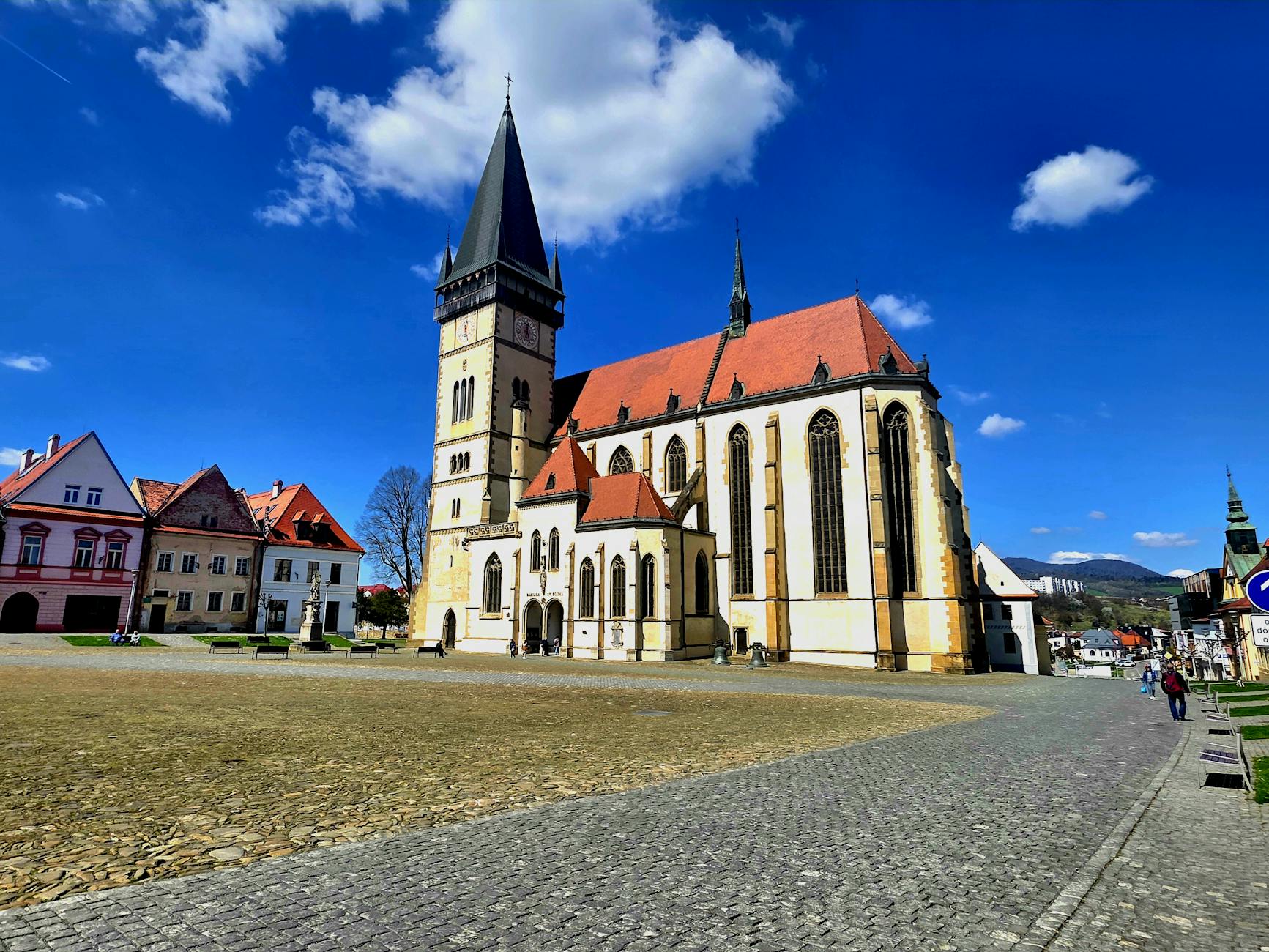
12. Historic Centre of Telč (inscribed 1992)
Telč in Moravia is built around a rectangular main square lined with Renaissance and Baroque arcaded town houses in yellows, pinks, whites, and ochres. The square is so uniform and so perfectly preserved that it looks almost artificially composed. The entire historic area is surrounded by two artificial fishponds, making the town appear to float on water when viewed from above.
The town's remarkable appearance is largely the work of Zachariáš of Hradec, a 16th-century nobleman who rebuilt Telč in the Italian Renaissance style after a fire in 1530, bringing craftsmen from Genoa. Telč is one of the most rewarding day trips from Prague for architecture lovers — about 2.5 hours by private car.
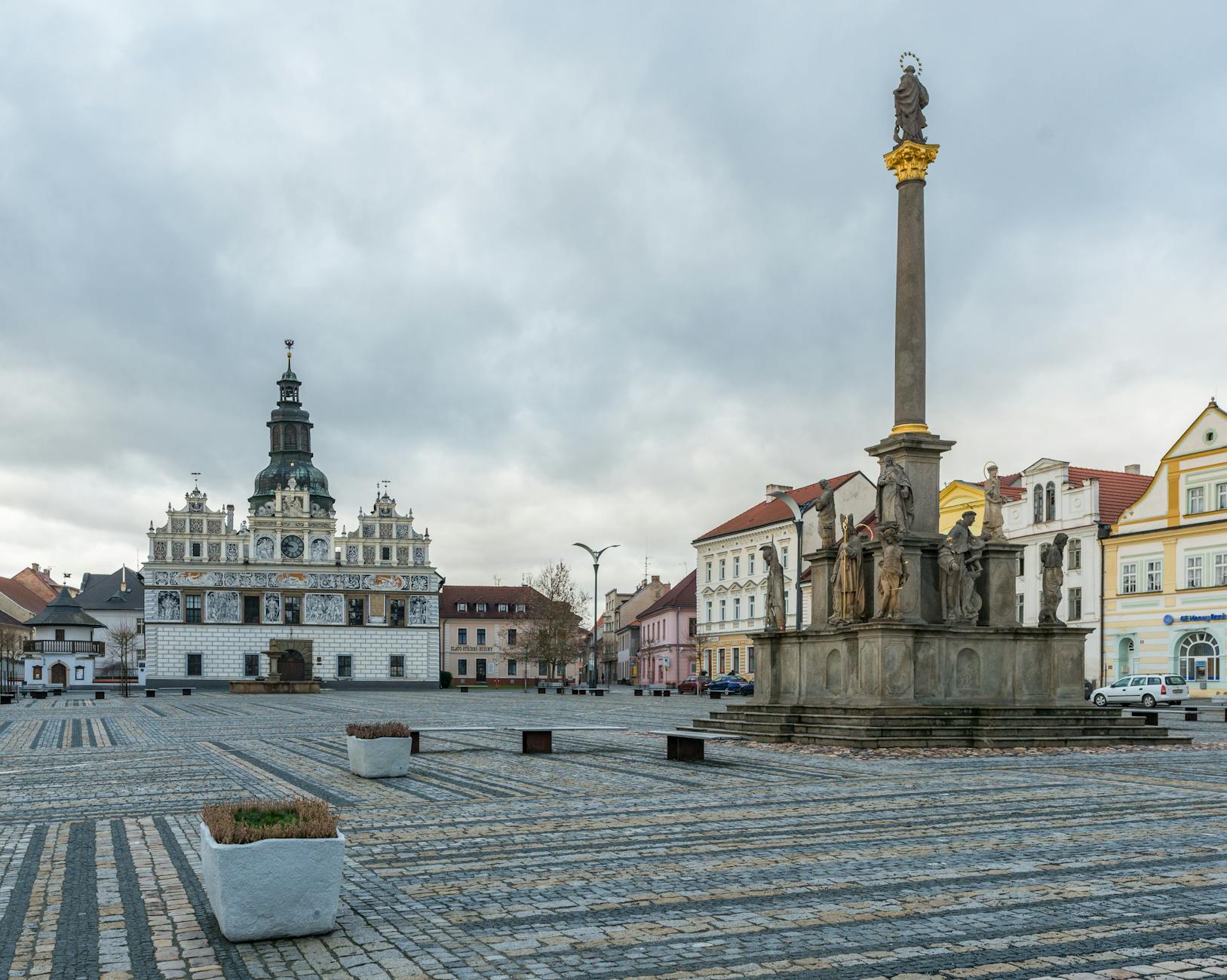
13. Erzgebirge/Krušnohoří Mining Region (inscribed 2019)
The Ore Mountains (Krušné hory) along the Czech-German border were one of Europe's most important mining regions, producing silver, tin, and other metals from the 12th to the 20th century. The transnational UNESCO inscription covers 22 components on both sides of the border, including mining towns, smelting works, and drainage tunnels.
On the Czech side, significant components include Jáchymov (where the Joachimsthaler coin — ancestor of the word "dollar" — was first minted) and the historic mining town of Horní Slavkov. This is primarily a destination for industrial heritage enthusiasts; the mountain landscape is beautiful but the sites require context to fully appreciate.
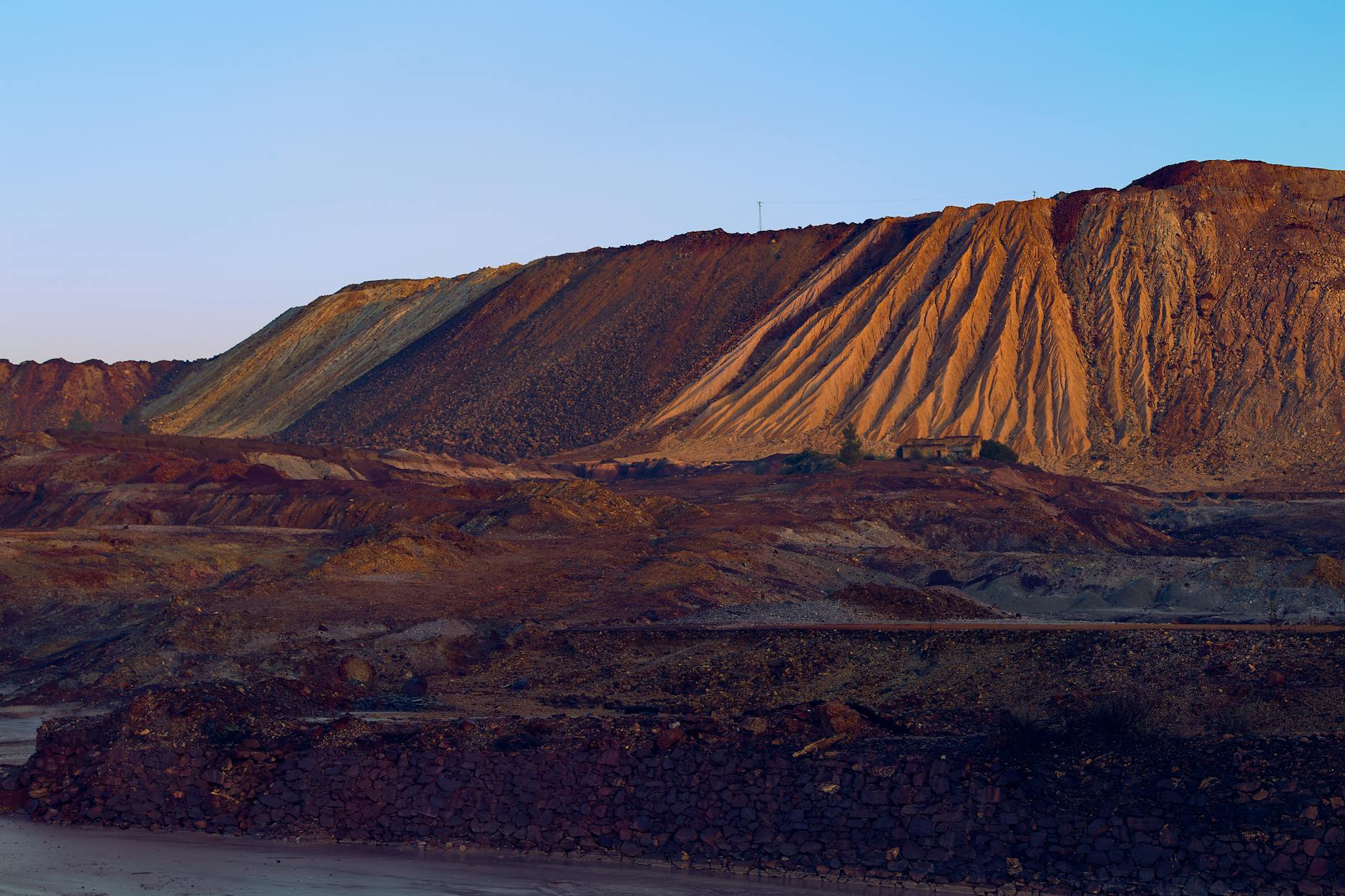
14. Landscape for Breeding and Training of Ceremonial Carriage Horses at Kladruby nad Labem (inscribed 2019)
One of the world's most unusual UNESCO sites — not a building or a town but a working agricultural landscape used for breeding ceremonial horses for over 400 years. The Kladruby nad Labem Stud Farm was founded in 1579 by Emperor Rudolf II to breed the Kladruber horse for Habsburg court ceremonies, and has continued to do so on the same landscape ever since.
The inscription covers the farm buildings, surrounding meadows managed for horse grazing, and the system of ponds and channels that has shaped the landscape over centuries. This is a genuine living cultural landscape — traditional practices are still carried on today. Located east of Prague near Pardubice, it can be combined with a visit to Pardubice Castle.
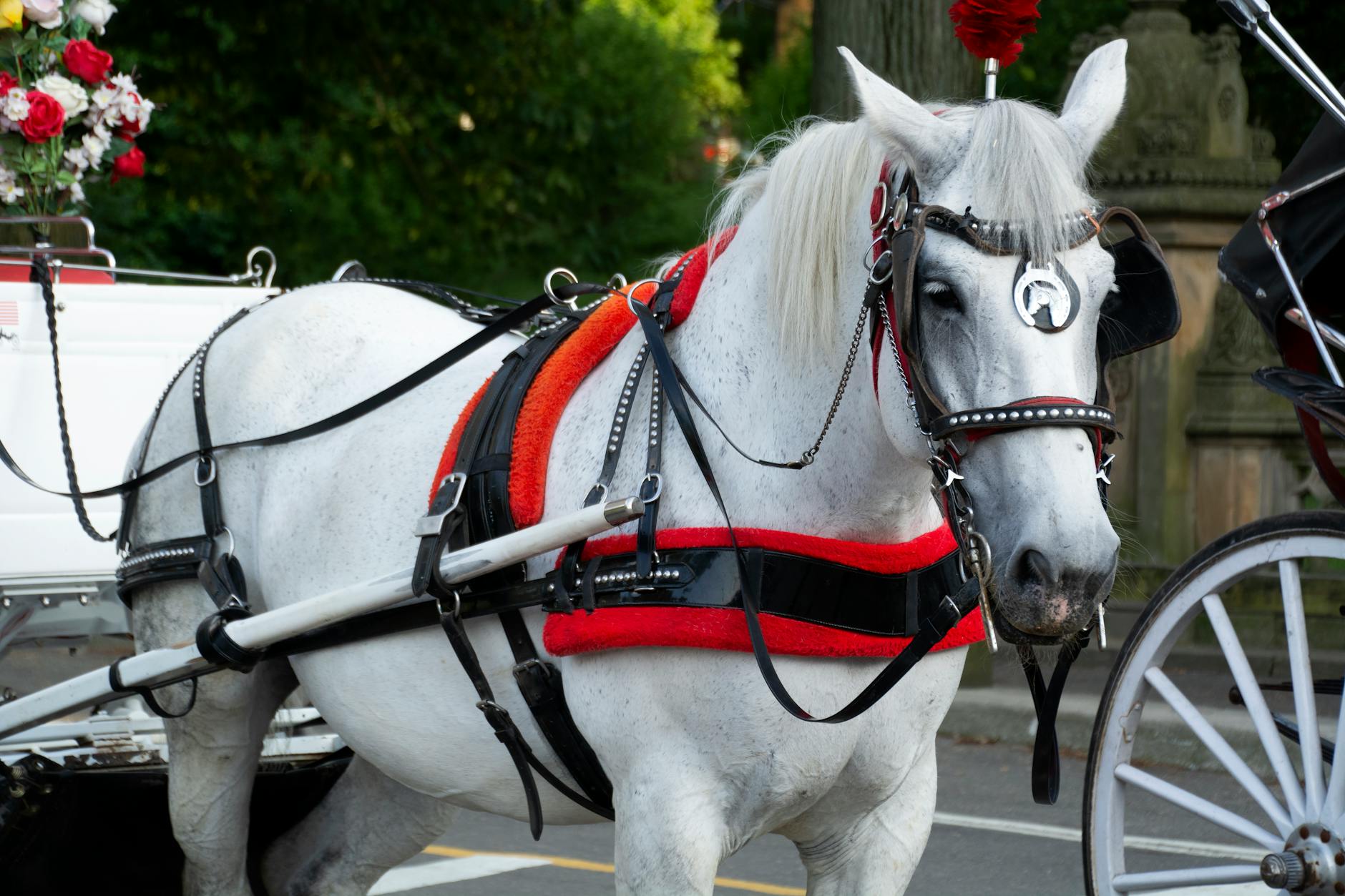
15. Great Spa Towns of Europe: Karlovy Vary, Mariánské Lázně, and Františkovy Lázně (inscribed 2021)
The transnational inscription of the Great Spa Towns of Europe covers eleven spa towns across seven European countries. The Czech contribution consists of three great Bohemian spa towns: Karlovy Vary (Carlsbad), Mariánské Lázně (Marienbad), and Františkovy Lázně (Franzensbad) — the celebrated Lázně Triangle of West Bohemia.
These towns were the social and medical destination of European aristocracy for over 150 years. Goethe, Beethoven, Chopin, Karl Marx, and dozens of European monarchs took the cure here. Their architecture — colonnades, pump rooms, villa districts, and grand hotels — reflects this extraordinary cultural moment. Karlovy Vary is about 90 minutes from Prague. Our Karlovy Vary private tour combines the spa town with nearby Loket Castle.
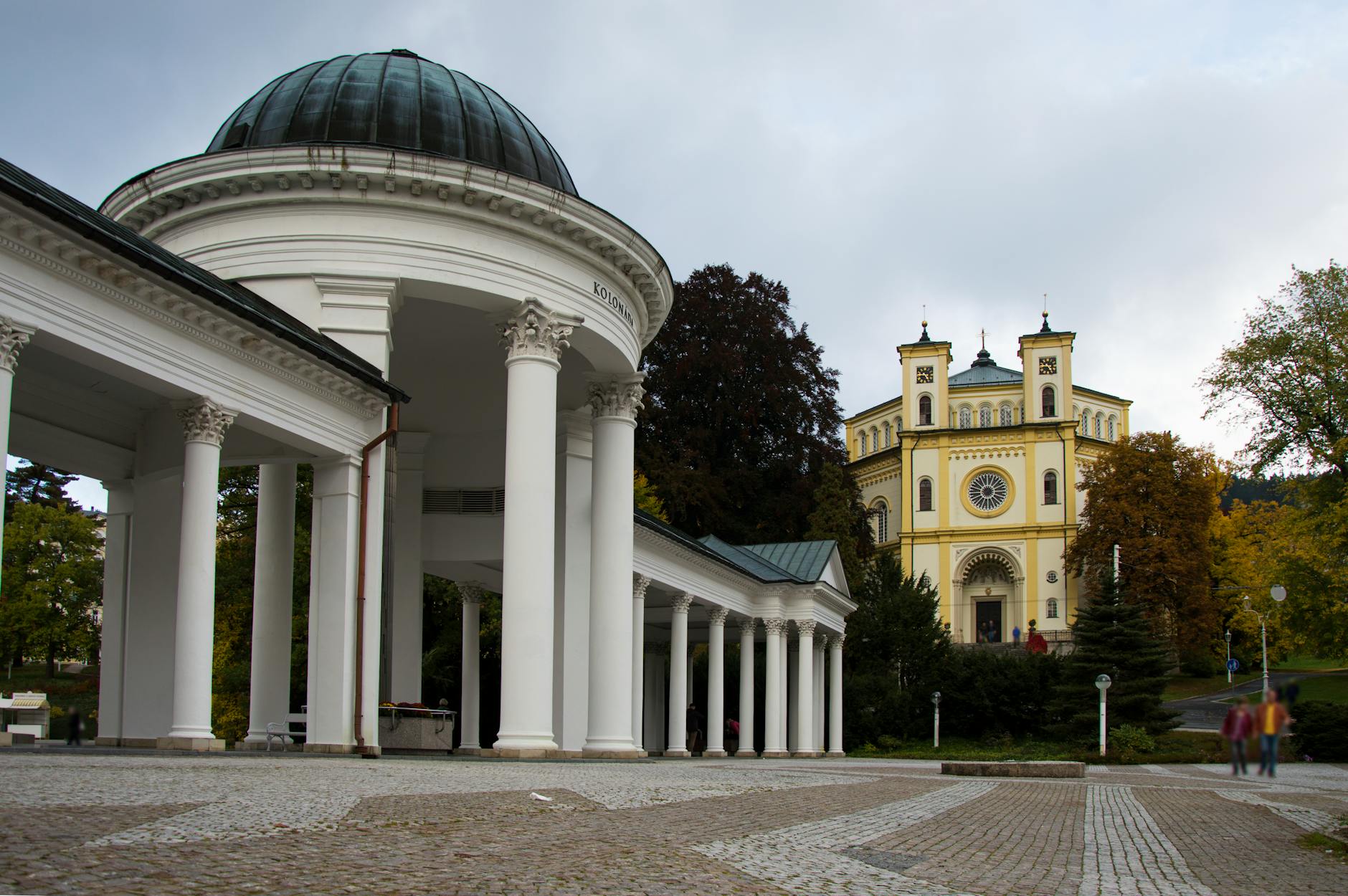
16. Žatec and the Landscape of Saaz Hops (inscribed 2023)
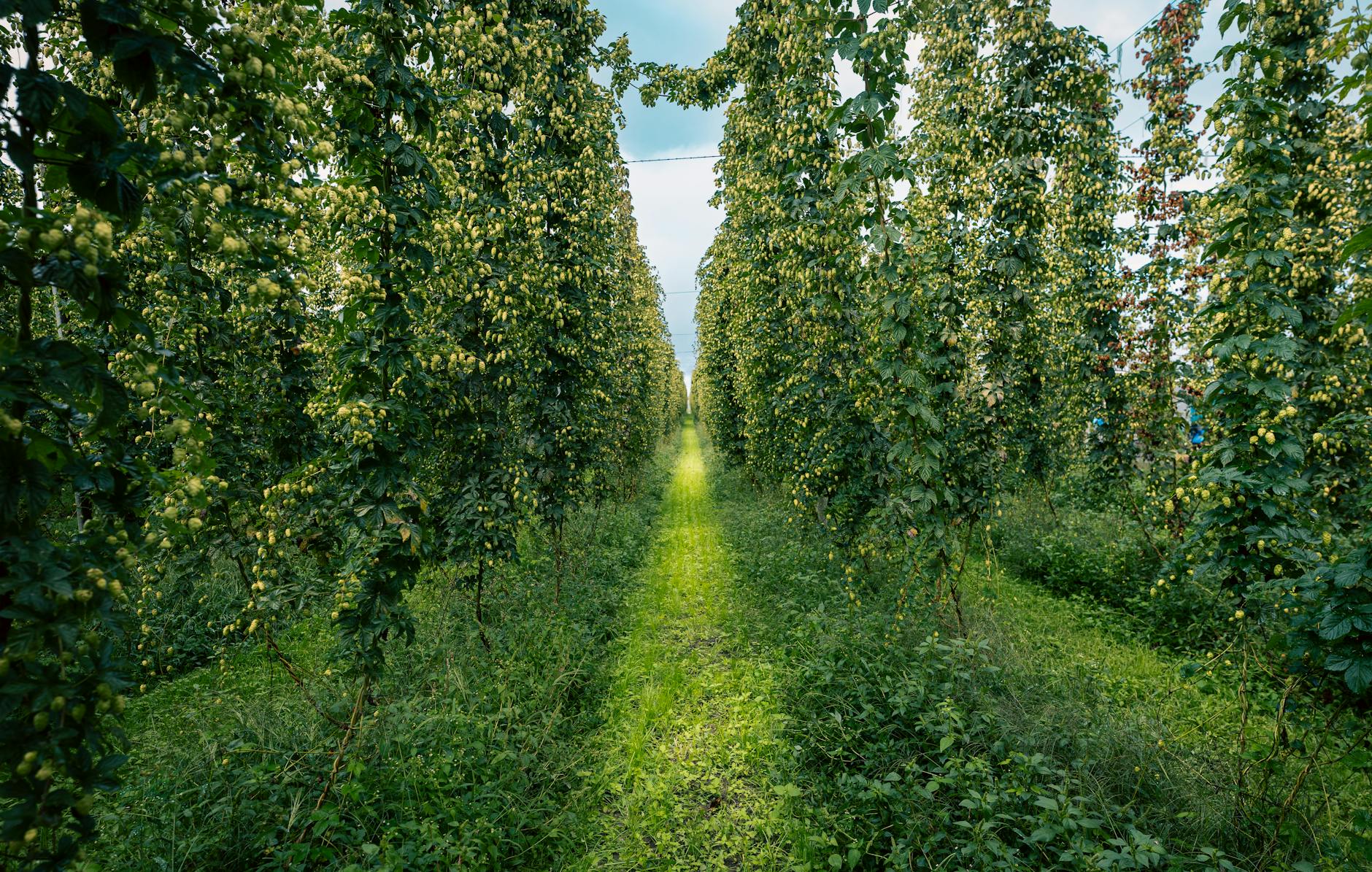
The most recent Czech UNESCO inscription recognises one of the world's most important hop-growing landscapes. The Žatec region (Saaz in German, the origin of "Saaz hops") has been growing and processing hops continuously since at least the 9th century and has been the dominant global source of fine aroma hops for much of the past 200 years.
The inscription covers the historic town of Žatec — with its preserved medieval streets, extraordinary collection of 19th-century hop warehouses (some of the largest brick structures in Central Europe), and surviving roundhouse kilns — as well as the surrounding hop-garden landscape. For anyone interested in beer culture, agriculture, or industrial history, Žatec is a fascinating half-day trip about 80 kilometres northwest of Prague.
Whether you are drawn to medieval castle-towns, Baroque landscapes, modernist masterpieces, or living agricultural traditions, the Czech Republic's UNESCO World Heritage Sites offer some of the richest cultural experiences in Central Europe. A private guide who knows these places well can make the difference between a surface impression and a genuine understanding of what you are seeing.