
A private Moravia Wine Trail tour from Prague covers 250 km of South Moravian vineyard country in a single full day, visiting the UNESCO Lednice-Valtice Area, Mikulov’s medieval old town, and the rolling Pálava hills. Tours depart Prague at 8:00, cost from €520 / 12,900 CZK for 1–7 passengers in a Premium Van with an English-speaking driver-guide, and return to Prague by 19:00–20:00. September and October offer harvest-season tastings at estate wineries; spring (April–May) brings wildflowers between the vine rows. No public transport covers this full circuit — a private car is the only realistic way to experience Mikulov, the Pálava hills, Valtice wine cellars, and Lednice park in one day.
Quick Facts: Moravia Wine Trail from Prague
- Price from: €520 / 12,900 CZK (1–7 passengers, entire vehicle)
- Duration: 10–11 hours full day
- Vehicle: Premium Van (up to 7 passengers)
- Guide: English-speaking driver-guide included
- Distance: ~500 km round trip from Prague
- Best tip: Visit in September for harvest — wineries open cellars to visitors
Why South Moravia is the Czech Republic’s Wine Country
South Moravia accounts for 96% of all Czech wine production — yet it remains virtually unknown to international travellers who associate Czechia exclusively with Pilsner Urquell and Budvar. The Moravian Wine Trails (Moravské vinařské stezky) wind through six wine sub-regions covering over 17,000 hectares of registered vineyards. Unlike beer-famous Bohemia to the west, Moravia has been growing wine since Roman legions planted vines along the Amber Road around 280 AD. The rolling limestone hills between Brno and the Austrian border produce bottles that compete comfortably at international competitions — and yet retail at a fraction of comparable Austrian or Alsatian wines.
For travellers based in Prague, the 250 km distance and absence of practical public transport connections make a private car tour the only realistic way to explore wine country properly in a single day. Renting a car means someone in your group cannot drink; organised group tours run on fixed schedules and cover just one or two stops. A private tour adapts entirely to your preferences and keeps everyone’s glass full.
Key Stops on the Private Moravia Wine Trail Tour
Mikulov — The Medieval Wine Capital
Mikulov is the undisputed capital of Moravian wine culture. The old town’s baroque townhouses, Renaissance fountains, and the hilltop Mikulov Castle perched on a chalk ridge create a skyline that has barely changed since the 17th century. Below the castle, a network of wine cellars burrows into the porous limestone rock — some of these vaulted tunnels date back 400 years and maintain a constant 12°C year-round, ideal for ageing.
The local Pálava grape variety is named after the nearby protected hills and produces intensely aromatic white wines unique to this microclimate. On a private tour, your driver-guide brings you directly to the castle viewpoint for the panorama across the vineyards toward Austria, then to a family winery for a guided tasting: Welschriesling, Pálava, Müller-Thurgau, and red Zweigeltrebe with a plate of local cured meats and aged Olomouc curd cheese.
The town square rewards a 20-minute walk. Look for the 17th-century plague column, the well-preserved city walls, and the Jewish ghetto quarter — Mikulov’s Jewish community was once the largest in Moravia, and the Renaissance-era synagogue and the Jewish cemetery (with 4,000 graves from the 17th–20th centuries) are among the best-preserved in Central Europe.
The Pálava Hills — UNESCO Biosphere Reserve
North of Mikulov, the Pálava hills (Pavlovské vrchy) are a protected landscape region and UNESCO Biosphere Reserve. The white limestone outcrops rise sharply above the Dyje river floodplains, draped in Burgundy-style terraced vineyards. The villages of Pavlov, Klentnice, and Dolní Věstonice each have their own character.
Dolní Věstonice is famous for the 29,000-year-old Venus figurine found here in 1925 — the oldest known fired ceramic object in human history, now housed in Brno’s Moravian Museum. The site sits near the Novomlýnské reservoir, a chain of three man-made lakes formed when the Dyje and Svratka rivers were dammed in the 1970s. The reservoir created an unexpected benefit: the water surface moderates the microclimate, extending the growing season and pushing viticulture north into zones previously too cold for vines.
Your tour stops at a Pálava viewpoint for photographs before continuing. In autumn, the harvest begins in early September and runs through October — roadside stalls sell burčák, a partially fermented grape must that is the definitive taste of Moravian autumn. By law, burčák must contain actively fermenting grape juice (between 1% and ~7% alcohol) and can only be sold from the region where it was produced.
Valtice — Wine Cellars Beneath the Baroque Chateau
Valtice is the southern anchor of the UNESCO-listed Lednice-Valtice Cultural Landscape, a 280 km² ensemble of baroque chateaus, English-style parks, artificial lakes, and architectural follies created by the Liechtenstein family over three centuries. The Valtice Chateau’s wine cellar — the Vinný Salon Moravy — is one of the finest places in the country to taste top-rated Czech wines. Each year the Czech Wine Foundation fills these vaulted brick cellars with the 100 best bottles from the annual national competition, and visitors can taste any of them by the glass using a prepaid tasting card.
A private tour spends 45–60 minutes in Valtice. Your driver-guide can recommend which styles to try based on your preferences. The baroque reception rooms above the cellar are open to visitors and provide context for the Liechtenstein dynasty’s extraordinary patronage of this landscape over three centuries. The family also founded a school of viticulture in Lednice in 1873 — the Czech Republic’s oldest wine education institution, still operating today.
Lednice Chateau — The Neo-Gothic Jewel of Moravia
Lednice, 5 km from Valtice, holds the chateau that the Liechtensteins remodelled in English Neo-Gothic style in the 1840s — a slightly surreal but striking sight amid the flat Moravian countryside. The 200-hectare English park surrounding the chateau is the largest landscaped park in Central Europe, dotted with architectural follies: a 62-metre minaret (the tallest non-Islamic minaret in the world, built in 1800), a classical temple on a lake island, a mock Roman aqueduct, and a gothic hunting lodge.
Tours typically include a walk through part of the park and a stop at the Minaret viewpoint. The cast-iron and glass greenhouse complex from 1845 still functions as a botanical garden producing palm trees, citrus plants, and exotic flora — one of the finest examples of 19th-century horticultural architecture surviving in Central Europe.
The Lednice-Valtice Cultural Landscape received UNESCO World Heritage status in 1996. Your driver-guide provides commentary on the Liechtenstein family’s history and their remarkable act of landscape-scale garden design that stretched across what is now the Czech-Austrian border region.
Moravian Wines to Try on Your Tour
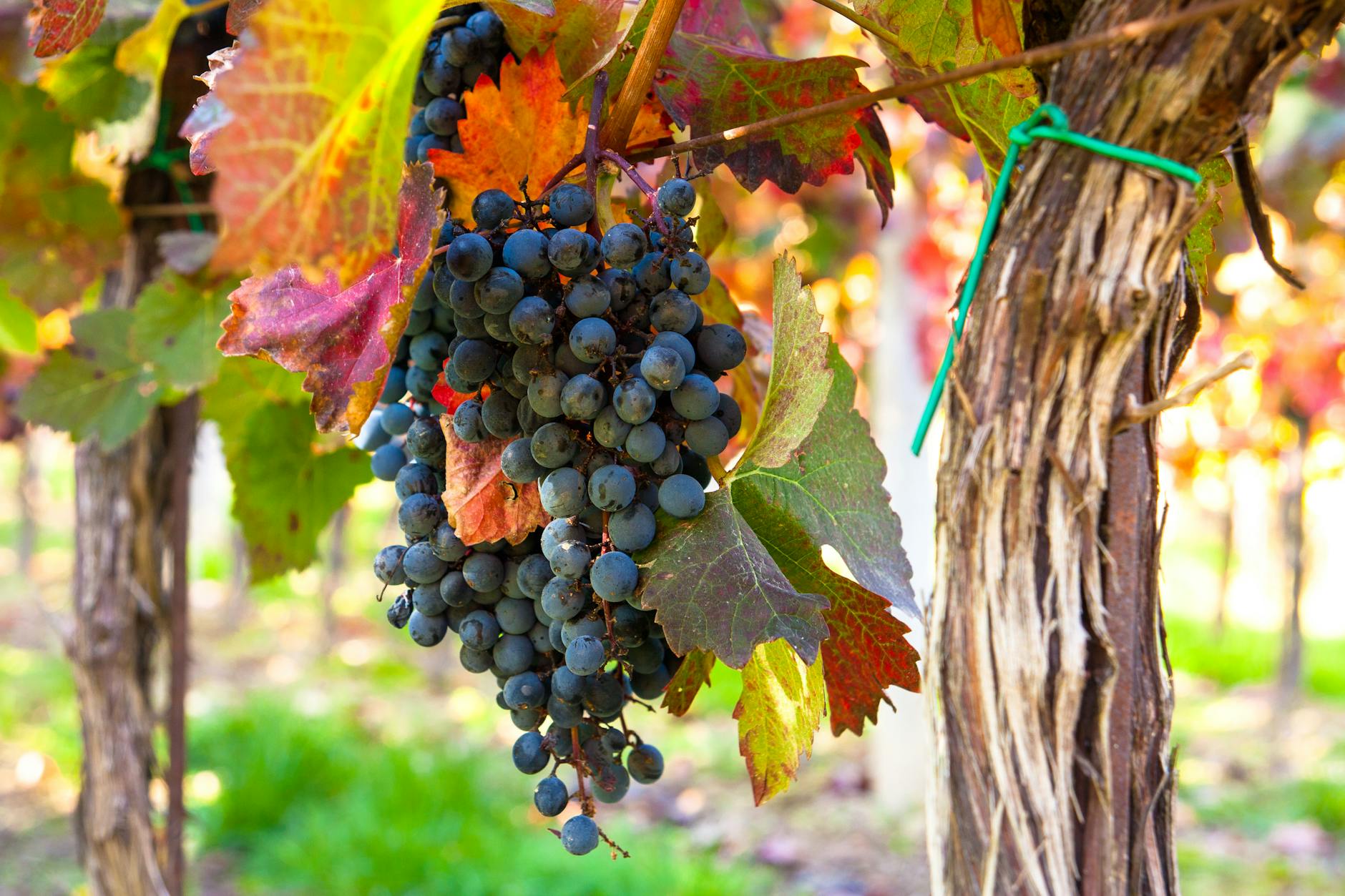
South Moravia produces predominantly white wines, with reds accounting for roughly 25% of production. These are the grape varieties you are most likely to encounter on a wine trail day trip:
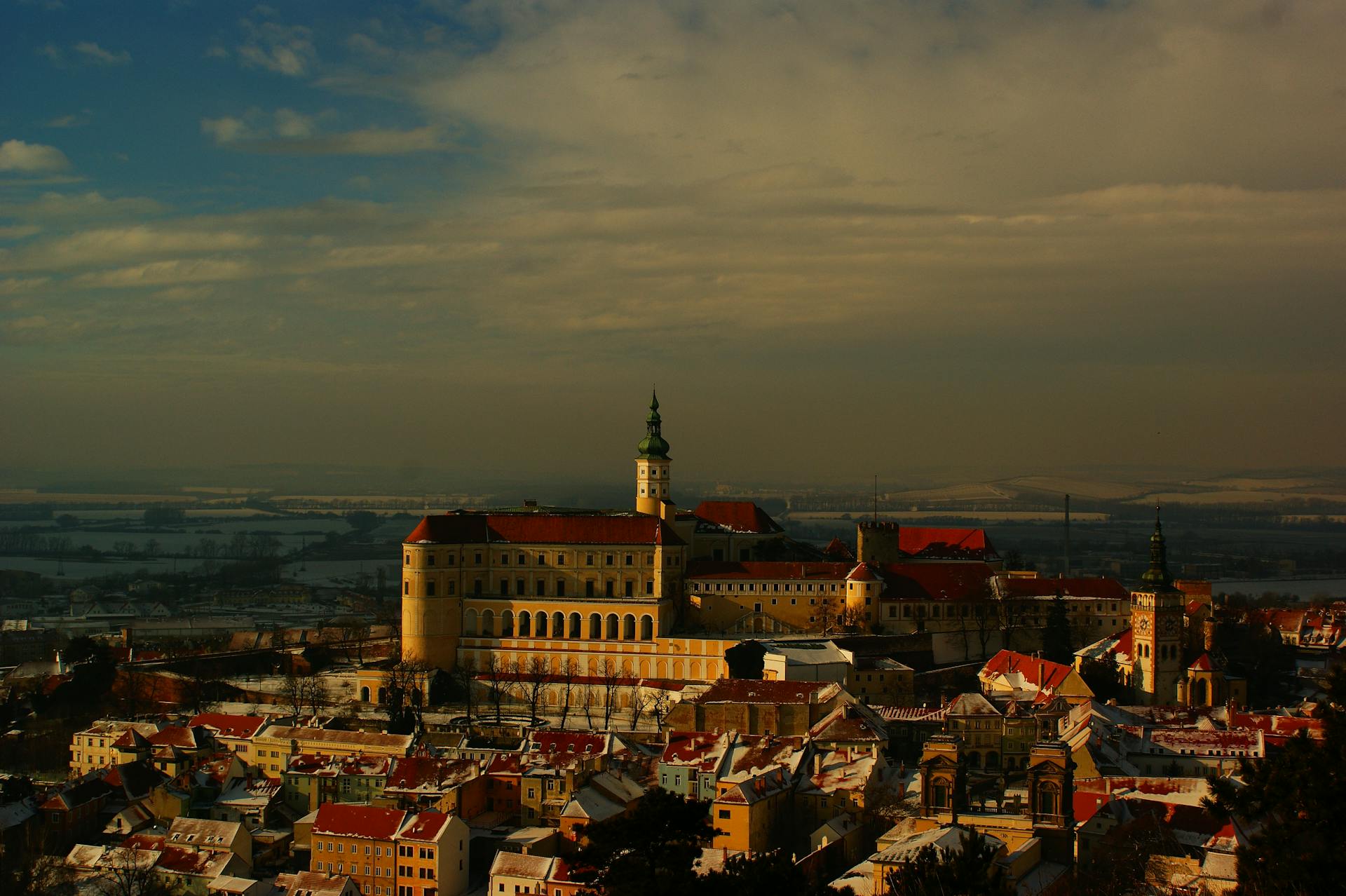
Mikulov Castle overlooking vineyards along the Moravia Wine Trail
| Variety (Czech name) | Character | Food Pairing | When at Best |
|---|---|---|---|
| Welschriesling (Ryzlink vlašský) | Crisp, apple-forward, mineral, light acidity | Grilled fish, fresh goat cheese, light salads | Spring to summer |
| Pálava | Intensely aromatic, muscat and rose notes, medium body | Spicy Asian dishes, fruit pastries, aperitif | Autumn harvest |
| Müller-Thurgau | Floral, gentle sweetness, easy-drinking, light body | Light starters, soft cheeses, summer garden | Spring–summer |
| Pinot Gris (Rulandské šedé) | Rich, slightly oily, full-bodied white | Roast pork, mushroom dishes, duck confit | Late harvest |
| Zweigeltrebe | Red, cherry and plum forward, soft tannins | Roast duck, lamb, Moravian charcuterie | Autumn–winter |
| Frankovka | Red, structured, dark fruit, higher acidity | Game dishes, aged hard cheeses | Winter |
Beyond the major varieties, smaller producers in the Znojmo sub-region work with Sauvignon Blanc and Pinot Blanc to considerable effect. Ask your winery host about their current releases — Moravia’s smaller estates bottle in limited runs that rarely make it to international export, making the tasting experience genuinely exclusive to visitors on the ground.
When Is the Best Time for a Moravia Wine Tour from Prague?
September–October (Harvest Season): The best time by a significant margin. Burčák (partially fermented new wine) is sold at roadside stands from early September. Estate wineries open their cellars and many run harvest events with picking, pressing, and tasting sessions. The golden light on vine-covered slopes makes for exceptional photographs. Temperatures range 14–22°C. Book well in advance for September weekend tours — this is the peak season in the wine country.
April–May (Spring): The vineyards green up rapidly in April. The Pálava hills are covered with wild orchids and rare steppe flora — the region is one of the botanically richest in the Czech Republic. Temperatures are mild (12–20°C) and tourist crowds are low. Many wineries reopen their outdoor terraces after winter and offer early-release whites from the previous year’s harvest.
June–August (Summer): The countryside is beautiful but can be hot — temperatures in the Pálava basin regularly reach 35°C+ in July and August. Wine tastings continue year-round; most chateaus and museums operate with extended summer hours. Morning tours (departing 7:30) avoid the midday heat at outdoor viewpoints.
November–March (Off-Season): Quiet and atmospheric. The wine cellars are warmly lit and intimate against the cold outside; some wineries offer mulled wine and traditional Moravian winter foods. Chateau visits may have reduced hours, but Valtice’s Vinný Salon operates year-round.
Getting from Prague to the Moravia Wine Trail: Options Compared
| Option | Travel Time | Cost (approx.) | Wine Tasting? | Covers All Stops? |
|---|---|---|---|---|
| Private tour (Premium Van) | 2h 30m each way | From €520 total | ✅ Everyone can drink | ✅ Mikulov + Pálava + Valtice + Lednice |
| Rental car (self-drive) | 2h 30m each way | €90–130 + fuel | ❌ Driver abstains | ✅ Yes, but driver cannot drink |
| Train Prague→Brno + bus Brno→Mikulov | 3h 30m–4h each way | €30–50/person | ✅ Yes | ❌ Mikulov only; no winery circuit |
| Public group tour (operator) | Varies | €60–90/person | ✅ Limited | ❌ Fixed schedule, 1–2 stops |
A private car with a driver-guide is the only option that lets your entire group taste freely, covers all four key zones in one day, and adapts the timing to your preferences — lingering at a winery if the tasting sparks conversation, or accelerating past a chateau if you prefer more time in the vineyards.
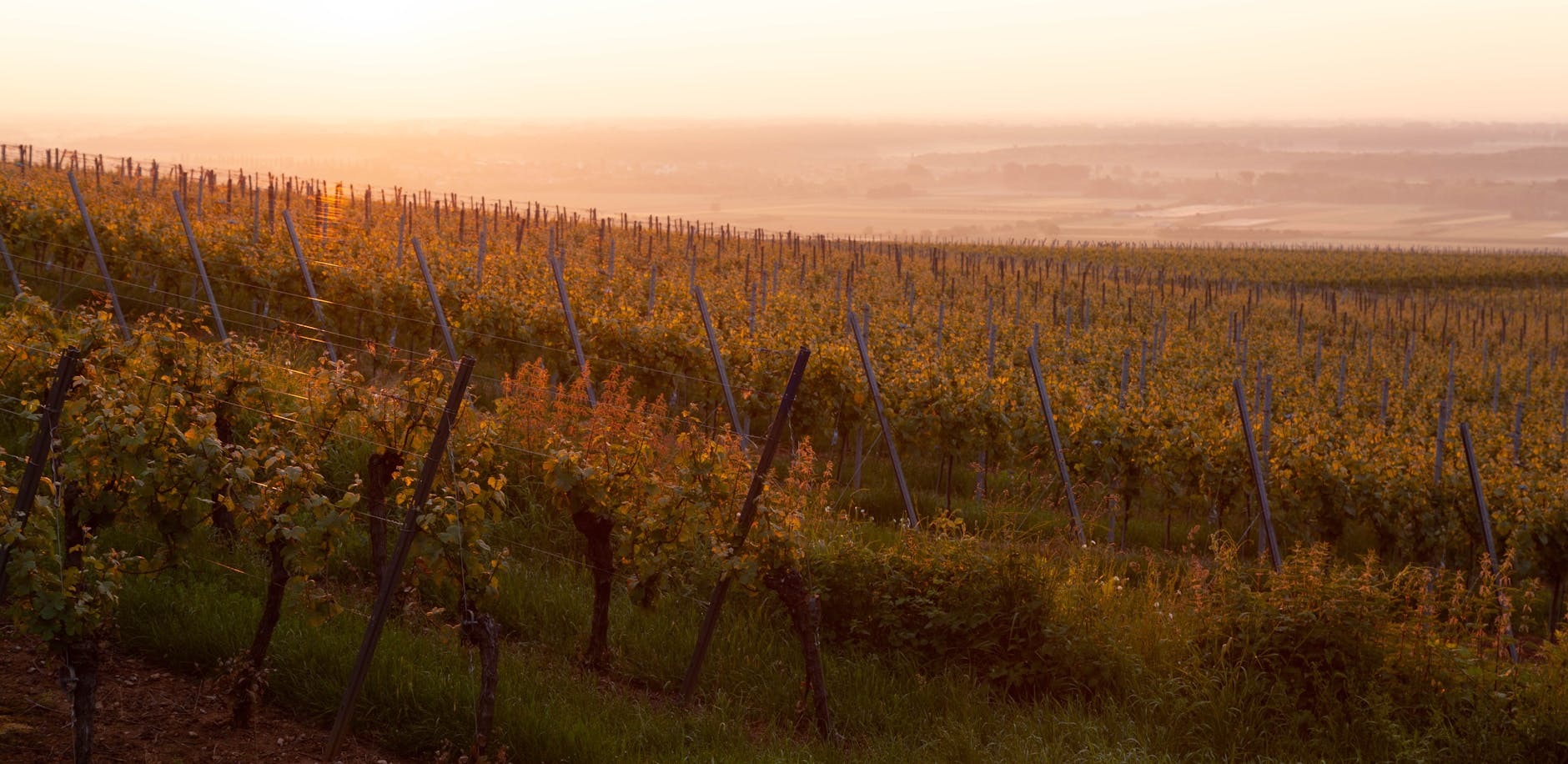
Rolling vineyard hills of South Moravia wine region
What’s Included in Your Private Moravia Wine Tour
- Private Premium Van with English-speaking driver-guide for 10–11 hours
- Hotel pickup and drop-off anywhere in Prague
- All transportation (approximately 500 km round trip)
- Flexible, adjustable itinerary based on your interests and pace
- Guided wine tasting session at a local estate winery (wine purchase costs extra, typically €15–30/person)
- Walking tour commentary in Mikulov old town
- Pálava hills viewpoint stop with guided commentary
- Lednice park walk with Minaret viewpoint
Chateau entrance fees are typically €8–14 per adult and paid on-site at your discretion. Winery tasting flights depend on selection — Valtice Vinný Salon tasting card (10 wines) costs approximately 500 CZK / €20.
Practical Tips Before You Go
Wear comfortable flat shoes. The Lednice park covers 200 hectares and the Pálava viewpoints involve short uphill walks on limestone paths. Heeled shoes are not practical on the vineyard slopes or park gravel paths.
Bring cash (CZK) for smaller wineries. While Valtice’s Vinný Salon accepts cards, many family-run estate wineries in Mikulov and Pavlov prefer cash payment for tasting flights. Withdrawing 1,000–2,000 CZK at a Prague ATM before departure covers tasting costs for two.
Book September weekend tours well in advance. Harvest season brings Moravians, Viennese day-trippers, and cycling groups to the wine country. Saturday midday at Lednice chateau and Valtice cellars can be crowded; your driver-guide can time arrivals strategically.
Pair your tour with a Moravian lunch. Moravia has distinct culinary traditions: slow-braised meats, homemade egg noodles (nudle), fermented cabbage preparations, and the smelly-but-delicious Olomouc curd cheese (olomoucké tvarůžky). Ask your driver to recommend a village inn — the rural restaurants near Mikulov and Pavlov serve lunch specials that urban Czech restaurants rarely replicate.
You Might Also Enjoy
South Moravia has more to offer beyond wine. Pair your wine tour with these popular private day trips:
- Lednice–Valtice Wine Region Tour — UNESCO palaces, gardens, and wine cellars in one day
- Český Krumlov & Hluboká Castle Tour — a fairytale medieval town and Renaissance château
- Full-Day Prague Private Tour — see all Prague highlights before heading to the countryside
Escape to South Moravia for a day of wine tasting in family-run cellars, with our English-speaking driver taking care of every kilometer there and back.
How far is the Moravian Wine Trail from Prague?
Mikulov, the main town on the Moravian Wine Trail, is 250 km south of Prague — approximately 2 hours 30 minutes by private car via the D1 motorway toward Brno and then D2 south. Lednice and Valtice are an additional 10–15 km, making the full circuit approximately 500 km round trip from Prague.
Can I visit the Moravian Wine Trail from Prague in a single day?
Yes. A full-day tour departing Prague at 8:00 returns by 19:00–20:00, allowing 10–11 hours in the wine region. The itinerary covers Mikulov old town and wine tasting, the Pálava hills viewpoint, Valtice Vinný Salon wine cellars, and Lednice park. Self-driving the circuit is possible but means the driver cannot participate in wine tastings.
What is the best time of year to visit South Moravia’s wine country?
September and October (harvest season) are the best months. Burčák — partially fermented new wine — is available at roadside stands from early September, wineries open their cellars for harvest visitors, and the vine-covered slopes turn golden. Spring (April–May) is a quieter, equally beautiful alternative with lower tourist numbers and wildflowers in the Pálava hills.
How much does a wine tasting cost in Moravia?
Tasting sessions at estate wineries typically cost 300–600 CZK (€12–24) per person for 5–8 wines with a small food pairing. Valtice’s Vinný Salon charges by the glass using a prepaid tasting card; a card for 10 samples costs approximately 500 CZK (€20). Winery tasting fees are not included in the private tour price and are paid on-site.
What is the Lednice-Valtice Cultural Landscape?
The Lednice-Valtice Cultural Landscape is a 280 km² area in South Moravia inscribed as a UNESCO World Heritage Site in 1996. It was shaped over three centuries by the Liechtenstein family, who created an interconnected landscape of baroque and neo-Gothic chateaus, English-style parks, artificial lakes, and architectural follies. The two main anchor points are Lednice Chateau (neo-Gothic, remodelled 1840s) and Valtice Chateau (baroque, 17th–18th century). The estate covers parts of both Czech and Austrian territory.
Is the Moravia Wine Trail tour suitable for non-wine-drinkers?
Yes. The tour combines wine culture with UNESCO World Heritage architecture, scenic hill landscapes, medieval old towns, and traditional Moravian food. Non-drinkers enjoy the Lednice park gardens, Mikulov Castle panoramas, the Pálava hills viewpoints, and regional cuisine. Many guests who do not drink wine rate this among the best day trips from Prague for the sheer variety of experiences it combines.
Frequently Asked Questions
How far is the Moravian wine region from Prague?
What are the best places on the Moravian wine trail?
When is the best time to visit the Moravian wine region?
Can you do a Moravian wine trip in one day from Prague?
Should I book wine cellar visits in advance?
What does a private Moravian wine tour include?
Related articles
American Airlines Prague Philadelphia 2026: Your Complete Prague Guide
American Airlines now flies direct from Philadelphia to Prague from May 21, 2026. Complete guide: private tours, top sights, and best day trips from Prague.
All 16 Czech Republic UNESCO World Heritage Sites — Complete Guide
Complete guide to all 16 Czech Republic UNESCO World Heritage Sites — day trips from Prague, travel times, and honest advice on which are worth visiting.
Prague Tours from the USA 2026: Complete Guide for American Travelers
Planning your first Prague tour from the USA? This guide covers what American travelers need: flight tips, tour options, seasonal advice, and what to expect from a private guide.
Prague City Tour 2026: Private Half-Day & Full-Day Options
Private Prague city tour in 2026: half-day or full-day options with an expert local guide. Discover Old Town, Charles Bridge and Prague Castle at your own pace.
Prague Private Tour 2026: Book a Local Expert Guide
Book a private tour of Prague with a local expert guide. Flexible itineraries, half-day or full-day, tailored to your group. Explore Prague your way in 2026.

Prague with Kids: Family-Friendly Guide 2026
Planning Prague with kids? Local guide tips on best family attractions by age group, logistics, day trips and what to skip. Private tours from €86/person.
Prague Multi-Day Tours: Private 2–5 Day Itineraries & Experiences (2026)
Plan your Prague trip with a private guide over 2 to 5 days. City highlights, hidden neighbourhoods, and Bohemian day trips built around your schedule.
Dan Brown’s Prague: Secret of Secrets Locations — Literary Walk Guide
Walk 8 Prague locations from Dan Brown's The Secret of Secrets — Klementinum, Charles Bridge, Jewish Quarter and more. Literary walking guide.
