

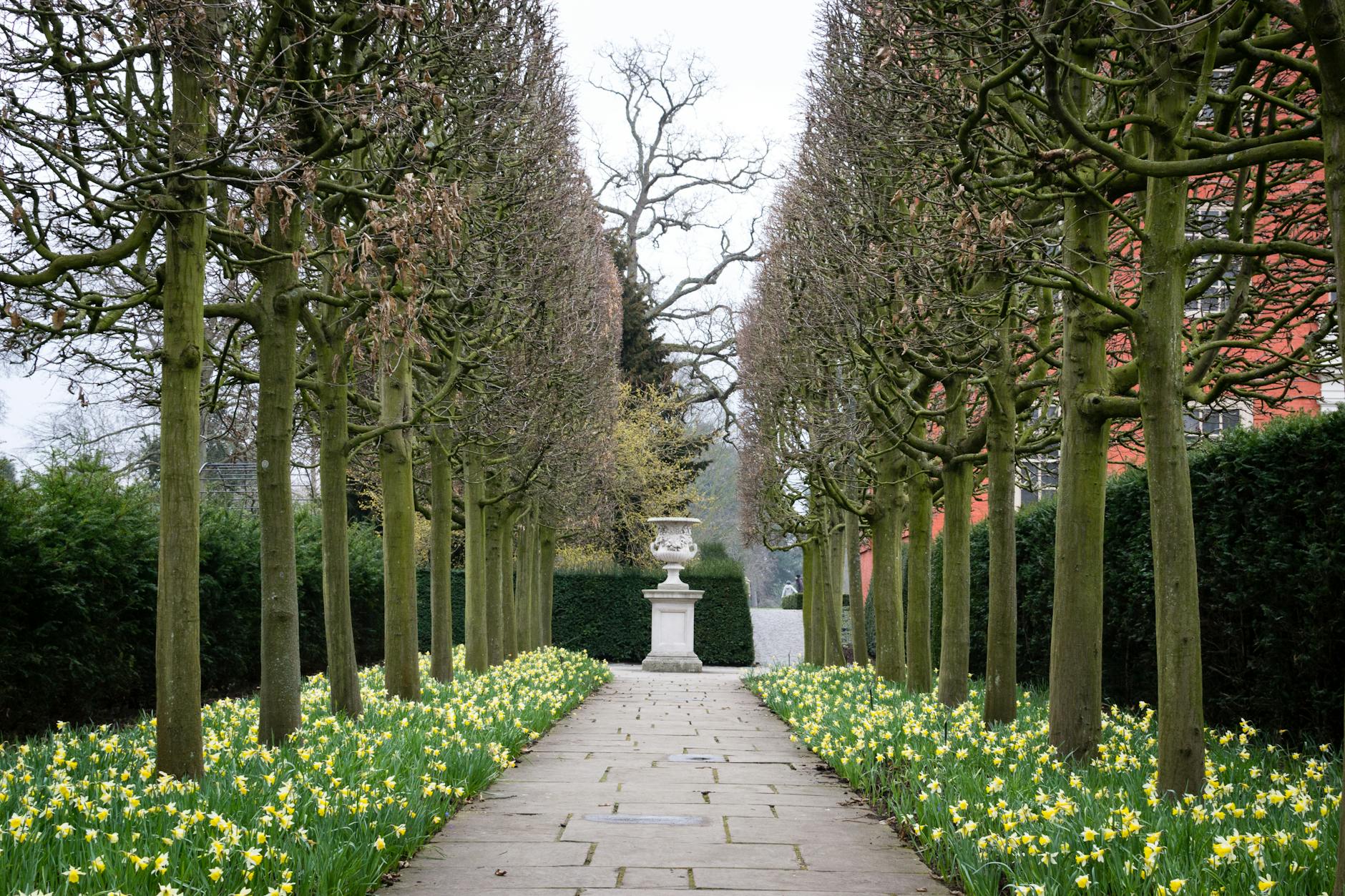
Nestled in the heart of South Moravia, approximately 260 kilometers southeast of Prague, lies one of Europe’s most enchanting romantic landscapes: the UNESCO-inscribed Lednice-Valtice Cultural Landscape. This 283-square-kilometer expanse of rolling countryside, dotted with aristocratic châteaux, baroque gardens, and whimsical follies, represents a masterpiece of 18th and 19th-century landscape design. Unlike the typical imperial palaces found elsewhere in Central Europe, Lednice and Valtice offer something far more intimate—a window into the refined lifestyle of the Liechtenstein family and their vision of an idealized English country estate transplanted to Moravian soil.
For travelers seeking a day trip from Prague that combines architectural grandeur, natural beauty, and cultural significance, Lednice and Valtice stand as exceptional choices. The journey from Prague takes approximately 2.5 hours by private car, making it easily accessible for a full-day excursion. Whether you’re an architecture enthusiast captivated by neo-Gothic and Baroque design, a wine lover exploring the Moravian wine region, a cyclist eager to navigate 200 kilometers of marked trails, or a family seeking diverse outdoor activities, this UNESCO-listed landscape delivers an unforgettable experience. A private day trip from Prague to Lednice and Valtice provides the flexibility to explore at your own pace, skip crowded tour groups, and enjoy personalized insights from a knowledgeable local driver.
This comprehensive guide walks you through every aspect of planning your Lednice-Valtice adventure: how to reach the châteaux from Prague, what to expect at each site, hidden attractions throughout the UNESCO landscape, outdoor activities for every season, and practical tips to maximize your experience. Whether you’re visiting during spring’s flowering season, summer’s golden light, autumn’s wine harvest celebrations, or even winter’s quiet beauty, Lednice and Valtice offer timeless charm that resonates with visitors year-round.
Book Your Lednice & Valtice Day Trip
Why Lednice and Valtice: UNESCO’s Romantic Landscape
The Lednice-Valtice Cultural Landscape earned its UNESCO World Heritage status in 1996, recognizing it as a unique and outstanding example of romantic landscape design that emerged during the late 18th and 19th centuries. This distinction reflects not merely the presence of two impressive châteaux, but rather the holistic vision of transforming an entire countryside into an aestheticized wonderland—a philosophy that defined the Romantic movement’s approach to nature and human habitation.
What makes Lednice-Valtice extraordinary is its scale and coherence. Spanning 283 square kilometers, it represents the largest romantic landscape of this type in Europe. The Liechtenstein family, who owned the estates for nearly 400 years, invested enormous resources in creating a seamless integration of architectural monuments, manicured gardens, natural woodlands, agricultural lands, and decorative structures called follies. These follies—whimsical buildings designed primarily for aesthetic pleasure rather than practical function—pepper the landscape and tell a story of artistic ambition and aristocratic leisure.
The landscape itself functions as an open-air museum where every vista appears carefully composed, as though each viewpoint were designed by a landscape painter. Avenues lined with ancient trees create natural corridors connecting the two main châteaux. Artificial ponds and waterways follow romantic principles, appearing natural while reflecting careful engineering. The blend of English landscape design principles, Baroque formality in certain zones, and Romantic sensibilities creates an environment unlike any other in Central Europe.
For modern travelers, the UNESCO designation means access to well-preserved historical sites, maintained infrastructure, and protection against overdevelopment. The area remains relatively undiscovered compared to Prague’s Old Town Square or Vienna’s Schönbrunn Palace, allowing visitors to experience aristocratic heritage in a more intimate setting. This is precisely why private tours from Prague to this region have become increasingly popular among discerning travelers who value authenticity over tourist crowds.
The Lednice-Valtice landscape also serves as a window into 19th-century philosophical ideas about nature, civilization, and beauty. The Romantic era celebrated the aestheticization of landscape, viewing nature not as something to be conquered or purely exploited, but as something to be appreciated and enhanced through artistic intervention. Walking through these grounds, you’ll understand how European aristocracy of this period conceived of their relationship with the land—as custodians of beauty and taste.
How to Get from Prague to Lednice-Valtice
Reaching Lednice and Valtice from Prague requires careful consideration of transportation options, as the region’s remote character means fewer public transit connections than to other popular destinations. The distance of approximately 260 kilometers—comparable to driving from New York City to Boston or London to Manchester—takes roughly 2.5 hours by car under normal traffic conditions.
Private Car: The Optimal Choice
A private car remains the most practical and comfortable option for a Lednice-Valtice day trip. The route from Prague primarily follows the D1 and D2 motorways, providing well-maintained highways with minimal congestion. Your driver will depart Prague, head southeast through central Bohemia, cross into Moravia, and navigate toward the Lednice-Valtice area near the town of Břeclav. This route offers several advantages: flexibility in departure times, no reliance on public schedules, the ability to make scenic stops along the way, and door-to-door service from your Prague accommodation.
The typical driving route takes you through the Czech heartland, offering perspectives on rural Moravian landscape that many tourists miss. Estimated costs for private car hire from Prague range from 150 to 200 EUR for the entire day, depending on vehicle type and driver availability. For groups of 3-4 travelers, this translates to reasonable per-person costs while providing significantly greater comfort than public transportation.
The romantic English-style landscape of the Lednice-Valtice UNESCO World Heritage Area
Public Transportation: Viable But Inconvenient
Train service exists between Prague and Břeclav (the nearest major town to Lednice-Valtice), taking approximately 2.5 to 3 hours. However, this option presents several challenges. First, Břeclav remains 15-20 kilometers from the main Lednice-Valtice attractions, requiring an additional taxi or local bus ride. Second, train schedules may not align optimally with typical day-trip timing. Third, public buses in this region operate on limited schedules and may not connect conveniently to the specific sites you wish to visit. Finally, the train journey, combined with transfers and waiting times, often consumes 4-5 hours of your available time—significantly reducing your actual sightseeing hours.
For these reasons, while train travel is technically possible, it is not recommended for a satisfying day trip experience. Travelers who prefer not to hire a private car might consider staying overnight in a nearby village like Valtice or Lednice itself, allowing more relaxed exploration and opportunity to experience the evening atmosphere of these charming settlements.
Comparison of Transportation Options
| Transportation Method | Travel Time (one way) | Total Time Investment | Cost Estimate | Flexibility | Comfort Level |
|---|---|---|---|---|---|
| Private Car with Driver | 2.5 hours | 5 hours (round trip) | €150–200 | Excellent | Very High |
| Train + Local Transport | 3-4 hours | 6-7 hours | €50–80 | Limited | Moderate |
| Car Rental + Self-Drive | 2.5 hours | 5 hours | €80–120 | Good | High |
| Group Coach Tour | 2.5-3 hours | 8-10 hours | €40–60 | None | Moderate |
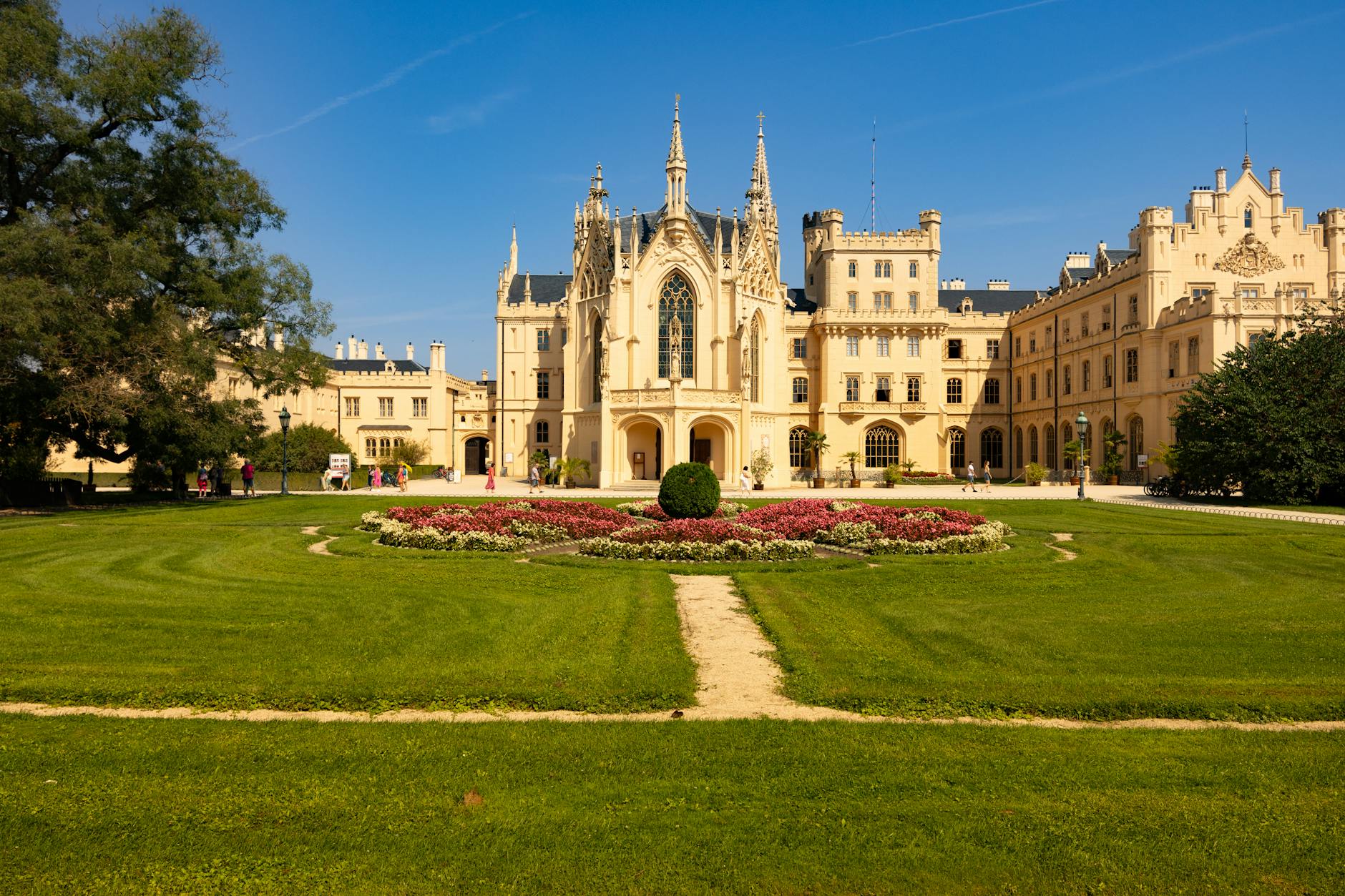
Lednice Chateau: A Neo-Gothic Masterpiece
Dominating the western portion of the UNESCO landscape, Lednice Chateau stands as one of Central Europe’s finest examples of 19th-century neo-Gothic architecture. This stunning white palace, with its soaring towers, decorative crenellations, and romantic spires, appears almost dreamlike when approached through tree-lined avenues or glimpsed across formal gardens.
Construction of Lednice Chateau began in 1846 under the direction of the Liechtenstein family and continued until 1858. The architects and builders created a residence that synthesized multiple architectural traditions: the defensive strength suggested by Gothic fortification elements, the refined elegance of contemporary Romantic tastes, and the practical requirements of a major aristocratic household. The result is neither a medieval fortress nor a purely decorative confection, but rather a sophisticated statement about 19th-century European identity and cultural values.
The chateau’s most celebrated feature may be the adjoining orangery—a monumental glasshouse complex that remains the longest in Europe. This extraordinary structure reflects the 18th and 19th-century European obsession with exotic plants. The Liechtenstein family, like other wealthy patrons, maintained collections of tropical species that required protective heated glass structures throughout the cold months. The orangery’s scale at Lednice testifies both to the family’s horticultural ambitions and their immense wealth. Visitors today can observe how these early greenhouse technologies functioned and appreciate the botanical collections that once required armies of specialized gardeners.
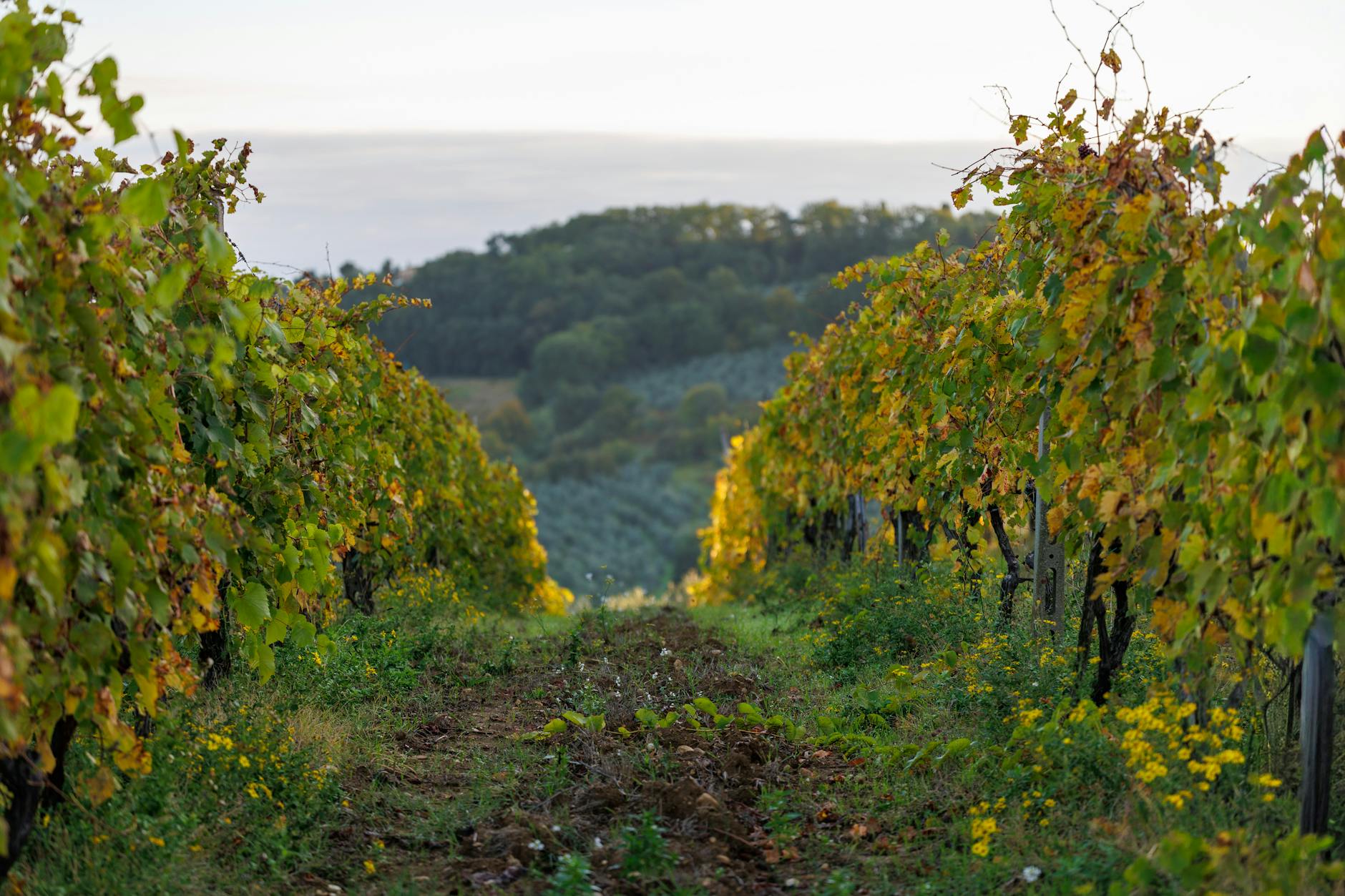
Rolling vineyard hills in the Moravian wine region surrounding Valtice Chateau
Interior tours of Lednice Chateau provide access to state rooms, private chambers, galleries, and collections that illustrate aristocratic life during the Romantic era. Room after room reveals period furnishings, artwork, sculptures, and decorative objects accumulated over generations. The guided tour (available in Czech, German, and English) typically lasts 60-90 minutes and covers approximately 40 rooms representing different periods and purposes. Admission fees are modest—approximately 180 to 280 CZK (€7–11)—making full access affordable for most visitors.
Beyond the chateau building itself, the surrounding grounds offer equally compelling exploration. Formal gardens, modeled on English landscape design principles, blend seamlessly with the building’s architecture. Geometric parterres (ornamental gardens with plants arranged in decorative patterns) contrast with naturalistic woodland areas. A series of artificial fish ponds, originally created for practical fish farming, now contribute aesthetic dimension to the landscape. Boat trips are available on the largest pond, offering an entirely different perspective on the chateau and surrounding architecture.
The park surrounding Lednice Chateau is free to explore (admission is required only for the chateau building itself and the orangery). This accessibility makes it possible to spend several hours wandering grounds without incurring major expenses. Spring visitors will encounter blooming flowers and fresh foliage; summer brings lush greenery and the full complement of garden plantings; autumn offers golden light and colorful foliage; even winter has its appeal, with architectural forms becoming more pronounced in the absence of thick vegetation.
Valtice Chateau and the Moravian Wine Experience
If Lednice represents neo-Gothic exuberance, Valtice offers Baroque sophistication. Located approximately 15 kilometers east of Lednice, Valtice Chateau presents an entirely different architectural aesthetic: stately, measured, and elegant rather than romantically theatrical. Built in the 17th and 18th centuries as the Liechtenstein family’s earlier residence, Valtice maintains graceful proportions and classical ornamentation that recall the great palace traditions of Vienna and other Habsburg capitals.
Valtice’s chief distinction, however, extends beyond its architectural credentials. The town has emerged as the center of Moravian wine culture, a renaissance driven by both historical tradition and contemporary revival of Czech winemaking. Moravia produces approximately 96 percent of all Czech wine, and Valtice sits at the heart of the Pálava wine subregion. This combination of architectural heritage and viticultural significance makes Valtice a uniquely compelling destination where cultural and gastronomic interests converge.
The chateau itself, while smaller and less visited than Lednice, maintains historical rooms and collections reflecting its long aristocratic occupation. Tours are available (200–320 CZK; approximately €8–13) and offer more intimate access than the larger Lednice, allowing genuine interaction with individual rooms and objects. Many visitors appreciate the quieter, less crowded atmosphere compared to its more famous counterpart.
The true highlight for many visitors, however, is the Vinné sklepy Valtice—the Valtice Wine Cellars, an extensive subterranean network of vaults carved into the limestone bedrock beneath the town. These historic cellars, originally developed in the 18th century, extend for kilometers and maintain constant temperature and humidity ideal for wine storage and aging. Today, they function as both a working wine storage facility and a museum of Moravian winemaking traditions. Walking through the cellar labyrinth, surrounded by barrels and bottles representing centuries of viticultural history, creates an almost alchemical atmosphere. Many visitors complete their cellar tour with wine tastings featuring local productions from the Pálava region.
The Valtice Wine Cellars deserve at least 2-3 hours of your day trip time, including the tour and any wine tastings. The experience offers far more than simple oenological education—it immerses visitors in a tradition that shaped Moravian identity and continues to define contemporary Czech viticulture. The cellars also host the annual Salon Wines of Czech Republic competition, a prestigious event that brings international attention to regional producers.
Beyond the formal cellar tour, Valtice’s town center warrants exploration. The main square features characteristic Moravian architecture, cafés, and wine shops where you can purchase bottles directly from producers. Several small wine bars and restaurants feature local vintages by the glass, allowing casual sampling without commitment to full bottle purchases. This informal tasting environment often provides the most genuine encounter with Moravian wine culture—sitting outdoors in pleasant weather, conversing with locals, and discovering which wines resonate with your personal preferences.
Exploring the UNESCO Landscape: Follies, Minaret & Gardens
The most distinctive feature of the Lednice-Valtice UNESCO landscape is its constellation of architectural follies—decorative structures built purely for aesthetic pleasure and often serving no practical function. Unlike the main châteaux, which balance aristocratic residency with grandeur, these follies represent imagination unleashed: romantic fantasies constructed in stone, wood, and stucco.
The Minaret of Lednice
The Minaret stands as perhaps the most unusual folly in the entire landscape. Built between 1797 and 1804, this 60-meter-high structure was inspired by Islamic architecture—a romantic European fascination with the exotic East that characterized the late 18th century. The minaret serves no religious function and has never called anyone to prayer; instead, it represents pure romantic imagination: a sultan’s tower relocated to Moravian countryside. The structure was damaged during World War II but has been restored. Visitors can climb to the viewing platform (approximately 130 steps), where panoramic vistas across the UNESCO landscape reward the effort. The Minaret is freely accessible and open during daylight hours, making it an ideal stop during your day trip.
The Rendez-vous
The Rendez-vous represents an example of Baroque folly architecture. This triangular hunting lodge features elegant proportions and decorative details reflecting the 18th-century taste. Located within the landscape, it functions as both a architectural statement and a practical pavilion for entertaining during hunting expeditions. The building’s name suggests romantic intrigue—the French term „rendez-vous“ evoking aristocratic assignations and refined leisure.
The Diana Pavilion and Apollo Colonnade
Scattered throughout the landscape, these classical structures reference Greek and Roman mythology. The Diana Pavilion, dedicated to the goddess of the hunt, and the Apollo Colonnade, honoring the god of music and light, represent the neoclassical aesthetic that influenced Romantic-era taste. These structures served as focal points for garden compositions, framing vistas and creating visual variety within the broader landscape design. Walking through the grounds, you’ll discover these elements at unexpected moments, each offering a glimpse into the aesthetic philosophy that guided the landscape’s creation.
John’s Castle (Janův Hrad) and Other Gothic Ruins
Several authentic Gothic ruins from the medieval period were incorporated into the romanticized landscape. John’s Castle, a genuine Gothic fortification from the Middle Ages, was preserved and integrated into the Romantic landscape scheme. The contrast between authentic historical ruins and contemporary neo-Gothic constructions tells a story about 19th-century attitudes toward history and aesthetics—a simultaneous reverence for medieval tradition and desire to create new monuments inspired by historical forms.
Gardens and Planted Landscapes
Beyond individual buildings, the gardens themselves constitute major attractions. Formal French and English landscape gardens, wildflower meadows, orchards, and carefully managed woodlands create diverse environments. Spring visits reveal flowering bulbs, fruit tree blossoms, and emerging green foliage. Summer brings full botanical display and numerous outdoor activities. Autumn offers colorful foliage and harvest atmosphere. The gardens change dramatically with seasons, suggesting that return visits during different times of year would reveal essentially different landscapes.
Cycling, Boat Trips & Outdoor Activities in the Lednice-Valtice Area
The Lednice-Valtice landscape supports far more than passive observation from château windows or visitor center displays. The region offers extensive opportunities for active engagement with the countryside, making it particularly appealing to visitors seeking physical activity combined with cultural enrichment.
Cycling Through the Landscape
Approximately 200 kilometers of marked cycling trails connect points throughout the UNESCO landscape. These routes vary in difficulty from leisurely family-friendly paths suitable for young children to challenging rides traversing hilly terrain. The trails are well-signed, regularly maintained, and designed to showcase the landscape’s diverse attractions. A typical day-trip itinerary might include renting a bicycle in either Lednice or Valtice, cycling to several follies and landscape features, stopping for lunch and wine tasting, then cycling back to your starting point. Many travelers find this combination of active movement and cultural exploration creates deeper engagement with the landscape than vehicle-based touring alone.
Bicycle rentals are available in both Lednice and Valtice towns, with costs typically ranging from 200 to 400 CZK (€8–16) per day depending on bicycle quality. E-bikes (electric-assisted bicycles) are increasingly available, allowing less experienced cyclists or those concerned about physical exertion to cover longer distances with reduced effort.
Boating on Lednice Ponds
The extensive pond systems originally created for fish farming now support recreational boating. During warmer months (typically May through September), boat tours and rentals are available. These aquatic perspectives on the landscape and châteaux provide entirely different compositions than views from land. Rowing across water toward the chateau creates photographic opportunities and spatial relationships impossible to appreciate from surrounding gardens.
Walking and Hiking
In addition to marked cycling trails, numerous footpaths crisscross the landscape. Walking allows closer botanical observation, wildlife spotting, and the leisurely pace that enables genuine engagement with landscape details. Dedicated hikers can spend full days exploring interconnected path networks, discovering follies and landscape features gradually rather than rushing between major attractions.
Picnicking and Outdoor Dining
The landscape’s design intentionally incorporated scenic viewpoints and pleasant outdoor spaces. Picnicking is permitted throughout much of the area, and many visitors combine self-catered meals with purchased local wines to create memorable outdoor dining experiences. Formal restaurants in Lednice and Valtice offer sit-down dining, while smaller cafés provide lighter meals and refreshments.
Let our driver-guide take you through the UNESCO-listed Lednice–Valtice Cultural Landscape — two fairy-tale chateaux, Mendel’s vineyards, and no stress about the 250 km drive.
Full Day Itinerary & Practical Tips
Sample Full-Day Itinerary (9-10 Hours from Prague)
7:00 AM: Depart Prague accommodation with private car and driver. Begin journey southeast toward Moravia.
9:45 AM: Arrive Lednice area. Stop at visitor center for maps and orientation. Light refreshment break.
10:15 AM–12:30 PM: Tour Lednice Chateau interior (60-90 minutes) and explore surrounding gardens and grounds (30-45 minutes).
12:30–1:30 PM: Light lunch at café in Lednice town center or picnic in gardens with purchased provisions.
1:45–3:00 PM: Visit Minaret (15-minute stop) and explore folly network (45 minutes). Climb minaret viewing platform for panoramic photographs.
3:15–5:00 PM: Travel to Valtice (15 minutes), tour Wine Cellars and participate in wine tasting (60-90 minutes).
5:00–6:00 PM: Explore Valtice town center, café time, final wine purchases if desired.
6:15 PM: Begin return journey to Prague.
9:00 PM: Arrive Prague accommodation.
Best Times to Visit
April through October represents the optimal visiting season. April and May offer fresh spring foliage, blooming flowers, and moderate temperatures ideal for outdoor exploration. June and July provide long daylight hours but may bring warm temperatures that exhaust some visitors during extended sightseeing. August remains warm and pleasant with reliable weather. September combines comfortable temperatures with wine harvest season in local vineyards, offering enhanced wine-tourism experiences. October brings spectacular golden foliage and continued pleasant weather but with shortening daylight hours.
What to Pack and Wear
Comfortable walking shoes are essential, as most attractions require significant ground coverage. Layered clothing proves wise, as temperature variation between morning departure from Prague and afternoon exploration in more southern Moravia can be significant. Sunscreen and sunglasses protect against strong spring and summer sun. A light rain jacket accommodates sudden showers common in spring and autumn. If you plan to cycle, appropriate cycling attire and helmet (often available with rental bicycles) are necessary.
Admission Fees Summary
Lednice Chateau interior tour: 180–280 CZK (~€7–11). Lednice park grounds: free. Minaret climb: free during daylight hours. Valtice Chateau interior tour: 200–320 CZK (~€8–13). Wine Cellars tour and tasting: 200–300 CZK (~€8–12). Bicycle rentals: 200–400 CZK (~€8–16) per day. Boat tours: 100–200 CZK (~€4–8) per person per tour. Most attractions offer family discounts and group rates; inquire when visiting.
Practical Considerations
The region offers limited accommodation options; if planning an overnight stay, book lodging well in advance. Restaurants in Lednice and Valtice serve traditional Czech and Moravian cuisine, with good representation of local wines. ATMs are available in town centers; some smaller establishments may not accept credit cards. Mobile phone reception is generally reliable throughout the area. Most chateau tours require reservations during peak season (June-August); advance booking is advisable. English-language tours are available at major attractions, though fewer options exist than at Prague museums.
Allow flexibility within your itinerary—the landscape rewards leisurely exploration rather than rushed viewing. If weather proves exceptional or you discover unexpected attractions, adjusting planned timing often yields better experiences than rigid adherence to schedules.
Sample Itineraries
Half-Day Option (4 Hours)
- 10:00 AM: Arrive Lednice
- 10:15 AM–12:30 PM: Lednice Chateau tour & gardens
- 12:30–1:30 PM: Lunch
- 1:30–2:00 PM: Minaret visit
- 2:15 PM: Depart for Prague
Best for: Short-term visitors, budget-conscious travelers
Full-Day Option (9 Hours)
- 9:45 AM: Arrive Lednice
- 10:00 AM–12:30 PM: Lednice Chateau & grounds
- 12:30–1:30 PM: Lunch
- 1:30–3:00 PM: Minaret & follies exploration
- 3:15–5:00 PM: Valtice & Wine Cellars
- 5:00–6:00 PM: Valtice town exploration
- 6:15 PM: Return journey
Best for: Culture enthusiasts, wine lovers, active explorers
Wine & Active Option (Full Day)
- 10:00 AM: Bicycle rental at Lednice
- 10:30 AM–1:00 PM: Cycling tour through landscape follies
- 1:00–2:00 PM: Picnic lunch in gardens with local wines
- 2:00–3:30 PM: Valtice Wine Cellars tour
- 3:30–5:00 PM: Wine bar tasting & Valtice exploration
- 5:15 PM: Return journey
Best for: Active travelers, wine enthusiasts, cycle tourists
Related Attractions Near Lednice-Valtice
The Lednice-Valtice region sits within a broader landscape rich in cultural attractions. Mikulov, a charming wine town approximately 30 kilometers from Lednice, features a castle and extensive wine tourism infrastructure. The Pálava Hills nature reserve offers hiking and distinctive geological formations. Several smaller châteaux and wine-producing estates dot the surrounding countryside, offering opportunities for extended regional exploration beyond the core UNESCO site.
Similar Day Trips from Prague
Prague → Český Krumlov & Hluboká Castle
Combine UNESCO town and Gothic chateau in southern Bohemia. 3-hour drive, UNESCO worldly charm plus architectural splendor. Perfect for art and architecture enthusiasts.
Prague → Konopiště Castle & Tábor
Explore Archduke Franz Ferdinand’s residence with 200+ hunting trophies, rose gardens, and 500-year-old medieval town. 1.5-hour drive, excellent for history buffs and photographers.
Prague → Mariánské Lázně
Bohemian spa triangle town with colonnades, springs, and mountain walks. 2-hour drive, ideal for wellness travelers and those seeking refined European spa culture.
Prague → Hluboká Castle
Spectacular white neo-Gothic chateau on Vltava River. 1-hour drive, stunning architecture and riverside walks, close enough for extended exploration or combination with other southern Bohemia sites.
Why Choose a Private Tour for Lednice-Valtice?
While Lednice and Valtice are accessible via public transportation and independent travel, a private tour from Prague offers distinct advantages that enhance your day-trip experience significantly. A dedicated driver familiar with the region can optimize your route, suggest timing adjustments based on season and crowds, and share historical context that enriches your visits to each attraction. You avoid the stress of navigating unfamiliar roads or managing multiple public transportation transfers. Private tours adapt to your interests—whether you prioritize wine experiences, architectural documentation, active cycling, or leisurely pacing through gardens. The flexibility to depart early morning or return late evening allows you to maximize daylight hours and customize your itinerary in real-time based on experiences encountered along the way.
Most importantly, a private car eliminates the transportation logistics that often prove more stressful than the travel itself on complex day trips requiring movement between multiple attractions in a relatively remote region.
Frequently Asked Questions
How far is the Lednice-Valtice Area from Prague?
What is included in the Lednice-Valtice Area?
Is one day enough for the Lednice-Valtice Area?
When is the best time to visit the Lednice-Valtice Area?
How do you get around the Lednice-Valtice Area?
What wine tasting options are available in the Lednice-Valtice Area?
Related articles
American Airlines Prague Philadelphia 2026: Your Complete Prague Guide
American Airlines now flies direct from Philadelphia to Prague from May 21, 2026. Complete guide: private tours, top sights, and best day trips from Prague.
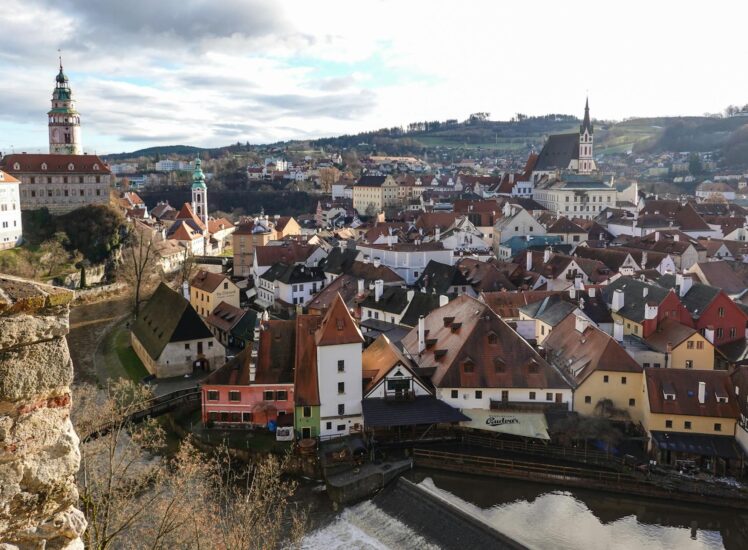
All 16 Czech Republic UNESCO World Heritage Sites — Complete Guide
Complete guide to all 16 Czech Republic UNESCO World Heritage Sites — day trips from Prague, travel times, and honest advice on which are worth visiting.
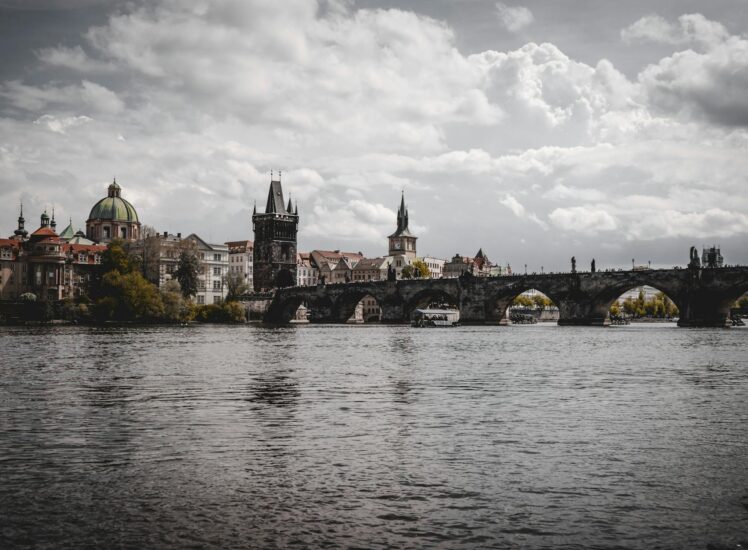
Prague Tours from the USA 2026: Complete Guide for American Travelers
Planning your first Prague tour from the USA? This guide covers what American travelers need: flight tips, tour options, seasonal advice, and what to expect from a private guide.
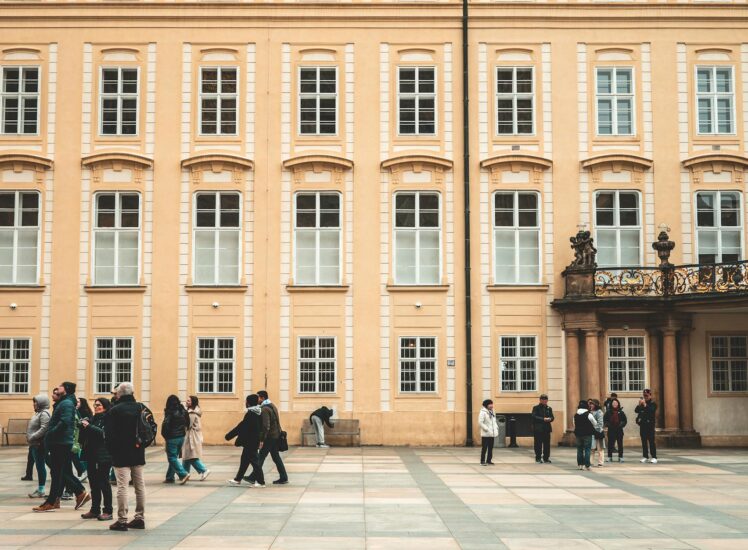
Prague City Tour 2026: Private Half-Day & Full-Day Options
Private Prague city tour in 2026: half-day or full-day options with an expert local guide. Discover Old Town, Charles Bridge and Prague Castle at your own pace.
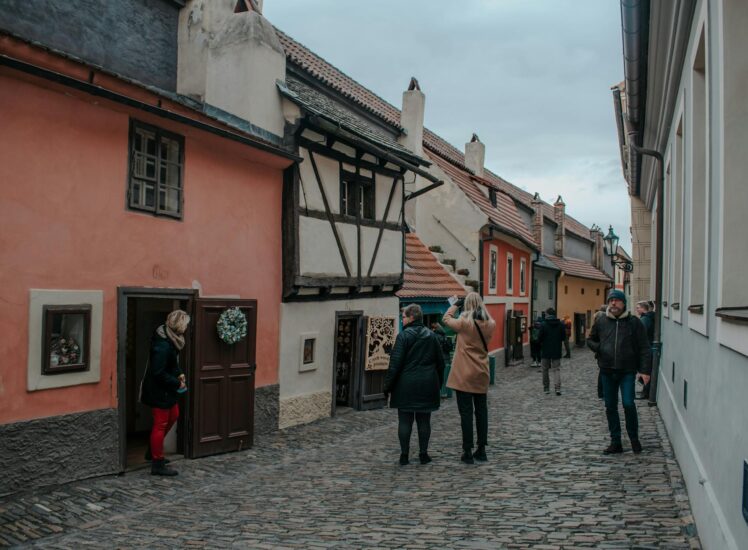
Prague Private Tour 2026: Book a Local Expert Guide
Book a private tour of Prague with a local expert guide. Flexible itineraries, half-day or full-day, tailored to your group. Explore Prague your way in 2026.

Prague with Kids: Family-Friendly Guide 2026
Planning Prague with kids? Local guide tips on best family attractions by age group, logistics, day trips and what to skip. Private tours from €86/person.
Prague Multi-Day Tours: Private 2–5 Day Itineraries & Experiences (2026)
Plan your Prague trip with a private guide over 2 to 5 days. City highlights, hidden neighbourhoods, and Bohemian day trips built around your schedule.
Dan Brown’s Prague: Secret of Secrets Locations — Literary Walk Guide
Walk 8 Prague locations from Dan Brown's The Secret of Secrets — Klementinum, Charles Bridge, Jewish Quarter and more. Literary walking guide.
